• Fri frakt över 249 kr
  • •
  • Snabba leveranser
  • •
  • Billiga böcker
Kundservice

Du är på sajten för privatpersoner.

Företag, bibliotek eller offentlig verksamhet?

Du handlar på classic.bokus.com, där alla dina funktioner finns intakta.
Till classic.bokus.com
Bokus logotyp. Gå till startsidan.
  • Erbjudanden
  • Student
  • Topplistor
  • Barn & ungdom
  • Bokus Play
  • E-böcker
  • Ljudböcker
  • Pocketböcker
  • Spel och pussel

Pocketfynda! Hundratals böcker för 49 kr/st →

Sidfot

Mina sidor

    Hjälp

    • Kundservice
    • Vanliga frågor och svar
    • Frakt och leverans
    • Retur vid ångerrätt
    • Reklamera vara
    • Betalning
    • Köpvillkor
    • Allmänna villkor
    • Information om webbplatsens tillgänglighet

    Om Bokus

    • Om oss
    • Pressrum
    • För studenter
    • För företag
    • För bibliotek och offentlig verksamhet
    • För leverantörer
    • Hållbarhet

    Populärt

    • Aktuella erbjudanden
    • Presentkort
    • Studentlitteratur
    • Nya böcker
    • Topplistor
    • Signerade böcker
    • Engelska böcker

    Inspiration

    • Boktips
    • BookTok
    • Barnbokskaraktärer
    • Populära författare
    Logotyp för Bokus
    Följ oss på Facebook (extern länk)Följ oss på Instagram (extern länk)Följ oss på YouTube (extern länk)Följ oss på TikTok (extern länk)
    bokus @ CookiesAnpassa cookiesIntegritetspolicyKöpvillkor
    Till Citymail hemsida (extern länk)Till Budbee hemsida (extern länk)Till Postnord hemsida (extern länk)Till Schenker hemsida (extern länk)Till Early Bird hemsida (extern länk)Till Walleys hemsida (extern länk)
    1. Filosofi och religion
    2. Religion och tro
    3. Religion: allmänt

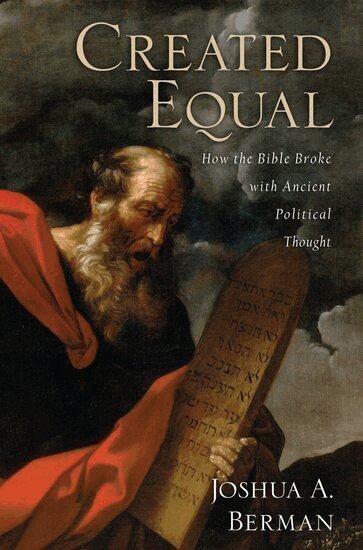
    Created Equal

    How the Bible Broke with Ancient Political Thought

    AvJoshua A. Berman

    Häftad, Engelska, 2011

    709 kr

    Beställningsvara. Skickas inom 5-8 vardagar. Fri frakt över 249 kr.

    Fler format och utgåvor

    Inbunden

    1 062 kr

    E-bok

    489 kr

    E-bok

    489 kr

    Beskrivning

    In Created Equal, Joshua Berman engages the text of the Hebrew Bible from a novel perspective, considering it as a document of social and political thought. He proposes that the Pentateuch can be read as the earliest prescription on record for the establishment of an egalitarian polity. What emerges is the blueprint for a society that would stand in stark contrast to the surrounding cultures of the ancient Near East -- Egypt, Mesopotamia, Ugarit, and the Hittite Empire - in which the hierarchical structure of the polity was centered on the figure of the king and his retinue. Berman shows that an egalitarian ideal is articulated in comprehensive fashion in the Pentateuch and is expressed in its theology, politics, economics, use of technologies of communication, and in its narrative literature. Throughout, he invokes parallels from the modern period as heuristic devices to illuminate ancient developments. Thus, for example, the constitutional principles in the Book of Deuteronomy are examined in the light of those espoused by Montesquieu, and the rise of the novel in 18th-century England serves to illuminate the advent of new modes of storytelling in biblical narrative.

    Produktinformation

    • Utgivningsdatum:2011-10-24
    • Mått:156 x 234 x 14 mm
    • Vikt:372 g
    • Format:Häftad
    • Språk:Engelska
    • Antal sidor:264
    • Förlag:OUP USA
    • ISBN:9780199832408

    Utforska kategorier

    • Religion: allmänt inom Filosofi och religion
    • Judiska heliga texter inom Filosofi och religion

    Mer om författaren

    Joshua A. Berman is Professor of Bible at Bar-Ilan University in Israel and an Associate Fellow at the Shalem Center in Jerusalem.

    Recensioner i media

    for the gutsiness of his intellectual convictions and for playing a major role in bringing the harvest of biblical scholarship to a much broader audience, we are in Joshua Berman's debt.

    Innehållsförteckning

    • List of Abbreviations ; Introduction ; Chapter One: Egalitarian Theology: The Commoner's Upgrade from King's Servant to Servant King ; Chapter Two: Egalitarian Politics: Constitution, Class, and the Book of Deuteronomy ; Chapter Three: Egalitarianism and Assets: God the Economist ; Chapter Four: Egalitarian Technology: Alphabet, Text, and Class ; Chapter Five: Egalitarianism and the Evolution of Narrative: The Rescue of Moses (Exodus 2:1-10) and the Sargon Legend Compared ; Conclusion: Egalitarianisms Ancient and Modern ; Notes ; Select Bibliography ; Index of Scriptural References ; Subject Index