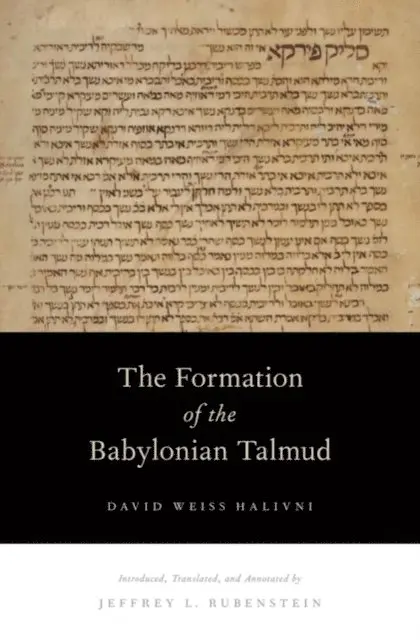
E-bok, Engelska, 2013
Formation of the Babylonian Talmud
Av Jeffrey L. Rubenstein, David Weiss Halivni
1375 kr
Läs direkt i Bokus Reader – eller ladda ned till din enhet (PDF kräver ofta zoom och scroll på små skärmar).
Beskrivning
David Weiss Halivni''s The Formation of the Babylonian Talmud, originally published in Hebrew and here translated by Jeffrey L. Rubenstein, is widely regarded as the most comprehensive scholarly examination of the processes of composition and editing of the Babylonian Talmud.
Halivni presents the summation of a lifetime of scholarship and the conclusions of his multivolume Talmudic commentary, Sources and Traditions (Meqorot umesorot). Arguing against the traditional view that the Talmud was composed c. 450 CE by the last of the named sages in the Talmud, the Amoraim, Halivni proposes that its formation took place over a much longer period of time, not reaching its final form until about 750 CE. The Talmud consists of many literary strata or layers, with later layers commenting upon and reinterpreting earlier layers. The later layers differ qualitatively from the earlier layers, and were composed by anonymous sages whom Halivni calls Stammaim. These sages were the true author-editors of the Talmud. They reconstructed the reasons underpinning earlier rulings, created the dialectical argumentation characteristic of the Talmud, and formulated the literary units that make up the Talmudic text.
Halivni also discusses the history and development of rabbinic tradition from the Mishnah through the post-Talmudic legal codes, the types of dialectical analysis found in the different rabbinic works, and the roles of reciters, transmitters, compilers, and editors in the composition of the Talmud. This volume contains an introduction and annotations by Jeffrey L. Rubenstein.
Halivni presents the summation of a lifetime of scholarship and the conclusions of his multivolume Talmudic commentary, Sources and Traditions (Meqorot umesorot). Arguing against the traditional view that the Talmud was composed c. 450 CE by the last of the named sages in the Talmud, the Amoraim, Halivni proposes that its formation took place over a much longer period of time, not reaching its final form until about 750 CE. The Talmud consists of many literary strata or layers, with later layers commenting upon and reinterpreting earlier layers. The later layers differ qualitatively from the earlier layers, and were composed by anonymous sages whom Halivni calls Stammaim. These sages were the true author-editors of the Talmud. They reconstructed the reasons underpinning earlier rulings, created the dialectical argumentation characteristic of the Talmud, and formulated the literary units that make up the Talmudic text.
Halivni also discusses the history and development of rabbinic tradition from the Mishnah through the post-Talmudic legal codes, the types of dialectical analysis found in the different rabbinic works, and the roles of reciters, transmitters, compilers, and editors in the composition of the Talmud. This volume contains an introduction and annotations by Jeffrey L. Rubenstein.
Produktinformation
- Utgivningsdatum: 2013-07-15
- Språk: Engelska
- Filformat: PDF
- Kopieringsskydd: LCP
- ISBN: 9780199876488
- Förlag: Oxford University Press
- Översättare: Jeffrey L. Rubenstein
Utforska kategorier
Betyg & recensioner
0 recensioner
Inga recensioner tillgängliga.