• Fri frakt över 249 kr
  • •
  • Snabba leveranser
  • •
  • Billiga böcker
Kundservice

Du är på sajten för privatpersoner.

Företag, bibliotek eller offentlig verksamhet?

Du handlar på classic.bokus.com, där alla dina funktioner finns intakta.
Till classic.bokus.com
Bokus logotyp. Gå till startsidan.
  • Erbjudanden
  • Student
  • Topplistor
  • Barn & ungdom
  • Bokus Play
  • E-böcker
  • Ljudböcker
  • Pocketböcker
  • Spel & pussel

Upp till 25% på utvalda nyheter →

Sidfot

Mina sidor

    Hjälp

    • Kundservice
    • Vanliga frågor och svar
    • Frakt och leverans
    • Retur vid ångerrätt
    • Reklamera vara
    • Betalning
    • Köpvillkor
    • Allmänna villkor
    • Information om webbplatsens tillgänglighet

    Om Bokus

    • Om oss
    • Pressrum
    • För studenter
    • För företag
    • För bibliotek och offentlig verksamhet
    • För leverantörer
    • Hållbarhet

    Populärt

    • Aktuella erbjudanden
    • Presentkort
    • Studentlitteratur
    • Nya böcker
    • Topplistor
    • Signerade böcker
    • Engelska böcker

    Inspiration

    • Boktips
    • BookTok
    • Populära bokserier
    • Barnbokskaraktärer
    • Populära författare
    Logotyp för Bokus
    Följ oss på Facebook (extern länk)Följ oss på Instagram (extern länk)Följ oss på YouTube (extern länk)Följ oss på TikTok (extern länk)
    bokus @ CookiesAnpassa cookiesIntegritetspolicyKöpvillkor
    Till Citymail hemsida (extern länk)Till Budbee hemsida (extern länk)Till Postnord hemsida (extern länk)Till Schenker hemsida (extern länk)Till Early Bird hemsida (extern länk)Till Walleys hemsida (extern länk)
    1. Samhälle och politik
    2. Samhälle och kultur
    3. Kultur och medier
    4. Kulturvetenskap

    Ecce Homo

    The Male-Body-in-Pain as Redemptive Figure

    AvKent L. Brintnall

    Häftad, Engelska, 2012

    749 kr

    Beställningsvara. Skickas inom 3-6 vardagar. Fri frakt över 249 kr.

    Fler format och utgåvor

    E-bok

    807 kr

    Beskrivning

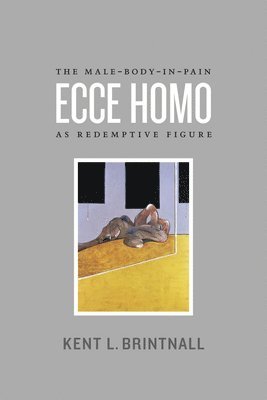
    Images of suffering male bodies permeate Western culture, from Francis Bacon's paintings and Robert Mapplethorpe's photographs to the battered heroes of action movies. Drawing on perspectives from a range of disciplines - including religious studies, gender and queer studies, psychoanalysis, art history, and film theory - "Ecce Homo" explores the complex, ambiguous meanings of the enduring figure of the male-body-in-pain. Acknowledging that representations of men confronting violence and pain can reinforce ideas of manly tenacity, Kent L. Brintnall also argues that they reveal the vulnerability of men's bodies and open them up to eroticization. Locating the roots of our cultural fascination with male pain in the crucifixion, he analyzes the way narratives of Christ's death and resurrection both support and subvert cultural fantasies of masculine power and privilege. Through stimulating readings of works by Georges Bataille, Kaja Silverman, and more, Brintnall delineates the redemptive power of representations of male suffering and violence.

    Produktinformation

    • Utgivningsdatum:2012-01-23
    • Mått:16 x 23 x 1 mm
    • Vikt:369 g
    • Format:Häftad
    • Språk:Engelska
    • Antal sidor:256
    • Förlag:The University of Chicago Press
    • ISBN:9780226074702

    Utforska kategorier

    • Kulturvetenskap inom Samhälle och politik
    • Konstböcker inom Kultur
    • Genusvetenskap inom Samhälle och politik

    Mer om författaren

    Kent L. Brintnall is assistant professor in the Department of Religious Studies and affiliate professor in the Women's and Gender Studies Program at the University of North Carolina at Charlotte.

    Recensioner i media

    "Imagine a book that treats religion and eroticism not as sworn enemies or cycling debaters but as twin arts. A book for which images of sexed bodies are not records or replacements so much as devices of an ecstatic redemption. You have found that book. In it, Kent Brintnall retells the Christian saga of male suffering through Hollywood action films, Mapplethorpe's most scandalous photographs, and the gurgling paintings of Francis Bacon." (Mark D. Jordan, Harvard University)"