• Fri frakt över 249 kr
  • •
  • Snabba leveranser
  • •
  • Billiga böcker
Kundservice

Du är på sajten för privatpersoner.

Företag, bibliotek eller offentlig verksamhet?

Du handlar på classic.bokus.com, där alla dina funktioner finns intakta.
Till classic.bokus.com
Bokus logotyp. Gå till startsidan.
  • Erbjudanden
  • Nyheter
  • Student
  • Topplistor
  • Barn & ungdom
  • Bokus Play
  • E-böcker
  • Pocketböcker
  • Spel & pussel

10% rabatt på allt med kod: NYSTART10 →

Sidfot

Mina sidor

    Hjälp

    • Kundservice
    • Vanliga frågor och svar
    • Frakt och leverans
    • Retur vid ångerrätt
    • Reklamera vara
    • Betalning
    • Köpvillkor
    • Allmänna villkor
    • Information om webbplatsens tillgänglighet

    Om Bokus

    • Om oss
    • Pressrum
    • För studenter
    • För företag
    • För bibliotek och offentlig verksamhet
    • För leverantörer
    • Hållbarhet

    Populärt

    • Aktuella erbjudanden
    • Presentkort
    • Studentlitteratur
    • Nya böcker
    • Topplistor
    • Signerade böcker
    • Engelska böcker

    Inspiration

    • Boktips
    • BookTok
    • Populära bokserier
    • Barnbokskaraktärer
    • Populära författare
    Logotyp för Bokus
    Följ oss på Facebook (extern länk)Följ oss på Instagram (extern länk)Följ oss på YouTube (extern länk)Följ oss på TikTok (extern länk)
    bokus @ CookiesAnpassa cookiesIntegritetspolicyKöpvillkor
    Till Citymail hemsida (extern länk)Till Budbee hemsida (extern länk)Till Postnord hemsida (extern länk)Till Schenker hemsida (extern länk)Till Early Bird hemsida (extern länk)Till Walleys hemsida (extern länk)
    1. Filosofi och religion
    2. Religion och tro

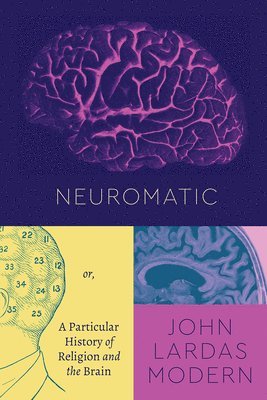
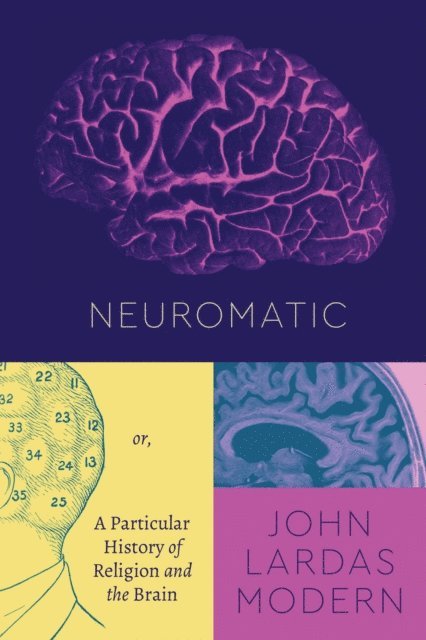
    Neuromatic

    Or, a Particular History of Religion and the Brain

    AvJohn Lardas Modern

    Inbunden, Engelska, 2021

    Del i serien Class 200: New Studies in Religion

    1 025 kr

    Beställningsvara. Skickas inom 5-8 vardagar. Fri frakt över 249 kr.

    Fler format och utgåvor

    E-bok

    573 kr

    Häftad

    292 kr

    Beskrivning

    In Neuromatic, religious studies scholar John Lardas Modern offers a sprawling and critical examination of the history of the cognitive revolution and current attempts to locate all that is human in the brain, including spirituality itself. Neuromatic is a wildly original take on the entangled histories of science and religion that lie behind our brain-laden present: from eighteenth-century revivals to the origins of neurology and mystic visions of mental piety in the nineteenth-century; from cyberneticians, Scientologists, and parapsychologists in the twentieth-century, to contemporary claims to have discovered the neural correlates of religion.What Modern reveals via this grand tour is that our ostensibly secular turn to the brain is bound up at every turn with the religion it discounts, ignores, or actively dismisses. In foregrounding the myths, ritual schemes, and cosmic concern that have accompanied idealizations of neural networks and inquiries into their structure, Neuromatic takes the reader on a dazzling and disturbing ride through the history of our strange subservience to the brain.
    Produktinformation

    • Utgivningsdatum:2021-10-07
    • Mått:152 x 229 x 34 mm
    • Vikt:794 g
    • Format:Inbunden
    • Språk:Engelska
    • Serie:Class 200: New Studies in Religion
    • Antal sidor:392
    • Förlag:The University of Chicago Press
    • ISBN:9780226797182

    Utforska kategorier

    • Religion och tro inom Filosofi och religion
    • Biovetenskap inom Naturvetenskap och teknik

    Mer om författaren

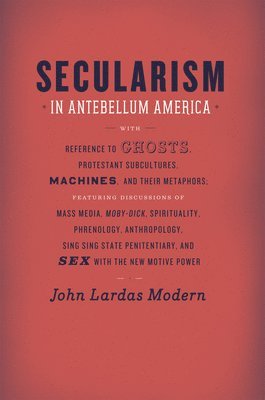
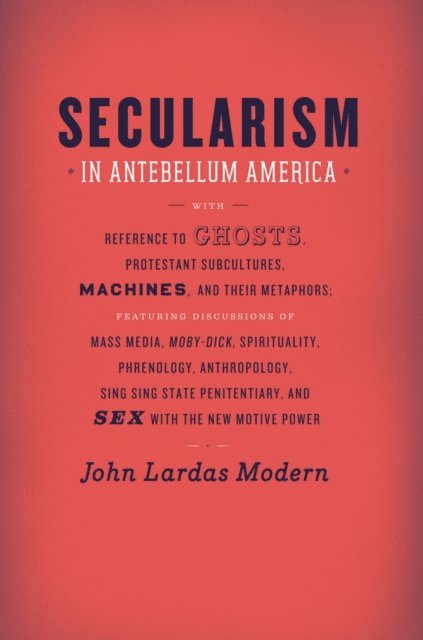
    John Lardas Modern is professor of religious studies at Franklin & Marshall College. He is the author of The Bop Apocalypse: The Religious Visions of Kerouac, Ginsberg, and Burroughs and Secularism in Antebellum America, the latter also published by the University of Chicago Press.

    Recensioner i media

    "Neuromatic is a fascinating exploration of the intertwined histories of religion and the brain. More than anything, it raises the question of the nature of belief — whether we can know the unknowable through these shadows that we chase around the cave of the skull."

    Innehållsförteckning

    • Prologue: Already GoneIntroductionSaturationApproaching the Neuromatic (with a Short Engineering Aside)Blurred LinesCybernetics and the Question of ReligionCybernetic Theses of SecularizationPoetics Synaptic Gap: Measuring Religion I. Thinking about Cognitive Scientists Thinking about ReligionFalse PositivesThe Cognitive Science of ReligionThe Hyperactive Agency Detection DeviceDistinguishing Marks on a ScreenBreaking the SpellNorthamptonJonathan Edwards, Hyperactive Agency DetectorDetecting the Life of the BrainAgents like UsCheap Tricks Synaptic Gap: The Information of History II. Neither Matter nor Spirit: Toward a Genealogy of InformationHard ProblemsNeuromatic Piety: An OverviewEther and the Permeation of the InterspacesEmanuel Swedenborg, NeuroscientistGhosts of SwedenborgMental Slavery and the Invention of SpiritualityThe Diakka and Their Earthly VictimsThe Mediomaniacal Origins of American NeurologyPrehistories of ElectroencephalographyBrain Waves and Tremulating InformationBiofeedback and the Experience of CorrespondenceThe Ontology of InformationConcluding Thoughts on Perceptronium Synaptic Gap: Too Much Too Soon III. Imagining the NeuromaticCrash and BurnOpening Scene from a Cybernetic DemimondeElective AffinitiesThe Mechanics of MediumshipImages of an OracleThought Dictated in the Absence of All ControlCut-UpsFrom Voodoo Death to VirologyEngrams and AuditingPast Lives of the Neuromatic BrainExteriorizationBreak Through in Grey Room Synaptic Gap: White Machinery IV. Histories of Electric Shock Therapy circa 1978Of Systems, Sex, and Secular ConversionMoral Treatment and Heads That Differ in ShapeGendered Electricity in the Neuromatic GrooveThe Operationalization of Napa State Insane AsylumPatients’ RightsThe Shaving of Leonard Frank’s BeardElectric Love TherapyThe Business of MarriageThe Union of All Contradictory IdeasI Watch TV, I Watch TVLive from Napa State Synaptic Gap: Belief MoleculesConclusion: The Elementary Forms of Neuromatic LifeTotemic SystemsBig ScienceArtificial IntelligenceIndex