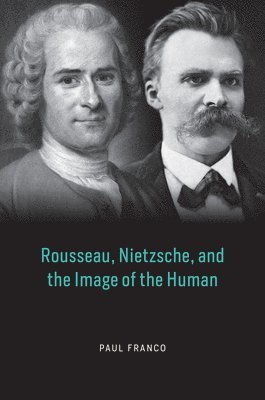
Inbunden, Engelska, 2021
Rousseau, Nietzsche, and the Image of the Human
Av Paul Franco
327 kr
Beställningsvara. Skickas inom 7-10 vardagar. Fri frakt över 249 kr.
Beskrivning
Produktinformation
- Utgivningsdatum: 2021-09-30
- Mått: 152 x 229 x 24 mm
- Vikt: 424 g
- Format: Inbunden
- Språk: Engelska
- Antal sidor: 200
- Förlag: The University of Chicago Press
- ISBN: 9780226800301
Utforska kategorier
Mer om författaren
Paul Franco is the Barry N. Wish Professor of Government and Social Studies at Bowdoin College. He is the author or editor of six books, including Nietzsche’s Enlightenment: The Free-Spirit Trilogy of the Middle Period and Leo Strauss on Hegel, both also published by the University of Chicago Press.
Recensioner i media
“Franco has written a judicious new study of Rousseau and Nietzsche, presenting them for our instruction as two vitally important figures whose writings provide a dialectical critique of the ethical and cultural deficit of modern Enlightenment liberalism and that has lost none of its pertinence. The author sheds valuable light on key themes common to both writers, including their differing appeals to nature, their thinking about sexual difference, their conceptions of politics, and their innovative and far-reaching genealogies of modernity. This is a rich and wise study that will be of interest to scholars and students working across the humanities and social sciences.”
Betyg & recensioner
0 recensioner
Inga recensioner tillgängliga.