• Fri frakt över 249 kr
  • •
  • Snabba leveranser
  • •
  • Billiga böcker
Kundservice

Du är på sajten för privatpersoner.

Företag, bibliotek eller offentlig verksamhet?

Du handlar på classic.bokus.com, där alla dina funktioner finns intakta.
Till classic.bokus.com
Bokus logotyp. Gå till startsidan.
  • Erbjudanden
  • Nyheter
  • Student
  • Topplistor
  • Barn & ungdom
  • Bokus Play
  • E-böcker
  • Pocketböcker
  • Spel & pussel

10% rabatt på allt med kod: NYSTART10 →

Sidfot

Mina sidor

    Hjälp

    • Kundservice
    • Vanliga frågor och svar
    • Frakt och leverans
    • Retur vid ångerrätt
    • Reklamera vara
    • Betalning
    • Köpvillkor
    • Allmänna villkor
    • Information om webbplatsens tillgänglighet

    Om Bokus

    • Om oss
    • Pressrum
    • För studenter
    • För företag
    • För bibliotek och offentlig verksamhet
    • För leverantörer
    • Hållbarhet

    Populärt

    • Aktuella erbjudanden
    • Presentkort
    • Studentlitteratur
    • Nya böcker
    • Topplistor
    • Signerade böcker
    • Engelska böcker

    Inspiration

    • Boktips
    • BookTok
    • Populära bokserier
    • Barnbokskaraktärer
    • Populära författare
    Logotyp för Bokus
    Följ oss på Facebook (extern länk)Följ oss på Instagram (extern länk)Följ oss på YouTube (extern länk)Följ oss på TikTok (extern länk)
    bokus @ CookiesAnpassa cookiesIntegritetspolicyKöpvillkor
    Till Citymail hemsida (extern länk)Till Budbee hemsida (extern länk)Till Postnord hemsida (extern länk)Till Schenker hemsida (extern länk)Till Early Bird hemsida (extern länk)Till Walleys hemsida (extern länk)
    1. Kultur
    2. Musikböcker

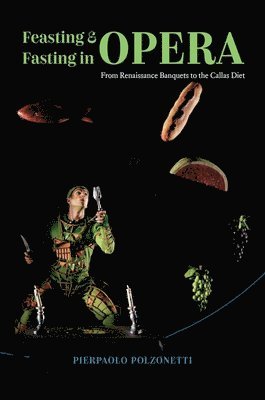
    Feasting and Fasting in Opera

    From Renaissance Banquets to the Callas Diet

    AvPierpaolo Polzonetti

    Inbunden, Engelska, 2021

    418 kr

    Beställningsvara. Skickas inom 5-8 vardagar. Fri frakt över 249 kr.

    Fler format och utgåvor

    E-bok

    826 kr

    Beskrivning

    Feasting and Fasting in Opera shows that the consumption of food and drink is an essential component of opera, both on and off stage. In this book, opera scholar Pierpaolo Polzonetti explores how convivial culture shaped the birth of opera and opera-going rituals until the mid-nineteenth century, when eating and drinking at the opera house were still common. Through analyses of convivial scenes in operas, the book also shows how the consumption of food and drink, and sharing or the refusal to do so, define characters’ identity and relationships.  Feasting and Fasting in Opera moves chronologically from around 1480 to the middle of the nineteenth century, when Wagner’s operatic reforms banished refreshments during the performance and mandated a darkened auditorium and absorbed listening. The book focuses on questions of comedy, pleasure, embodiment, and indulgence—looking at fasting, poisoning, food disorders, body types, diet, and social, ethnic, and gender identities—in both tragic and comic operas from Monteverdi to Puccini. Polzonetti also sheds new light on the diet Maria Callas underwent in preparation for her famous performance as Violetta, the consumptive heroine of Verdi’s La traviata. Neither food lovers nor opera scholars will want to miss Polzonetti’s page-turning and imaginative book.

    Produktinformation

    • Utgivningsdatum:2021-11-11
    • Mått:152 x 229 x 28 mm
    • Vikt:594 g
    • Format:Inbunden
    • Språk:Engelska
    • Antal sidor:336
    • Förlag:The University of Chicago Press
    • ISBN:9780226804958

    Utforska kategorier

    • Musikböcker inom Kultur
    • Kokböcker inom Mat och dryck
    • Opera inom Kultur

    Mer om författaren

    Pierpaolo Polzonetti is the Jan and Beta Popper Professor of Music at University of California, Davis. He is the author of Italian Opera in the Age of the American Revolution, which won the American Musicological Society’s Lockwood Book Award. He is coeditor, with Anthony R. DelDonna, of the Cambridge Companion to Eighteenth-Century Opera.

    Recensioner i media

    ”Polzonetti allows himself some nostalgia for the world we have lost, including the experience of eating at the opera, and speculates that operagoers of the past may have possessed ‘a better economy of attention’, which ‘did not include pretending to be engaged when they were not ‘."