• Fri frakt över 249 kr
  • •
  • Snabba leveranser
  • •
  • Billiga böcker
Kundservice

Du är på sajten för privatpersoner.

Företag, bibliotek eller offentlig verksamhet?

Du handlar på classic.bokus.com, där alla dina funktioner finns intakta.
Till classic.bokus.com
Bokus logotyp. Gå till startsidan.
  • Erbjudanden
  • Nyheter
  • Student
  • Topplistor
  • Barn & ungdom
  • Bokus Play
  • E-böcker
  • Pocketböcker
  • Spel & pussel

10% rabatt på allt med kod NYSTART10 →

Sidfot

Mina sidor

    Hjälp

    • Kundservice
    • Vanliga frågor och svar
    • Frakt och leverans
    • Retur vid ångerrätt
    • Reklamera vara
    • Betalning
    • Köpvillkor
    • Allmänna villkor
    • Information om webbplatsens tillgänglighet

    Om Bokus

    • Om oss
    • Pressrum
    • För studenter
    • För företag
    • För bibliotek och offentlig verksamhet
    • För leverantörer
    • Hållbarhet

    Populärt

    • Aktuella erbjudanden
    • Presentkort
    • Studentlitteratur
    • Nya böcker
    • Topplistor
    • Signerade böcker
    • Engelska böcker

    Inspiration

    • Boktips
    • BookTok
    • Populära bokserier
    • Barnbokskaraktärer
    • Populära författare
    Logotyp för Bokus
    Följ oss på Facebook (extern länk)Följ oss på Instagram (extern länk)Följ oss på YouTube (extern länk)Följ oss på TikTok (extern länk)
    bokus @ CookiesAnpassa cookiesIntegritetspolicyKöpvillkor
    Till Citymail hemsida (extern länk)Till Budbee hemsida (extern länk)Till Postnord hemsida (extern länk)Till Schenker hemsida (extern länk)Till Early Bird hemsida (extern länk)Till Walleys hemsida (extern länk)
    1. Naturvetenskap och teknik
    2. Matematik och naturvetenskap
    3. Biologi
    4. Cellbiologi

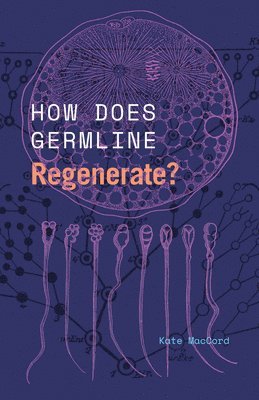
    How Does Germline Regenerate?

    AvKate MacCord

    Häftad, Engelska, 2024

    Del i serien Convening Science: Discovery at the Marine Biological Laboratory

    219 kr

    Beställningsvara. Skickas inom 5-8 vardagar. Fri frakt över 249 kr.

    Fler format och utgåvor

    Inbunden

    814 kr

    E-bok

    426 kr

    Beskrivning

    A concise primer that complicates a convenient truth in biology—the divide between germ and somatic cells—with far-reaching ethical and public policy ramifications.  Scientists have long held that we have two kinds of cells—germ and soma. Make a change to germ cells—say using genome editing—and that change will appear in the cells of future generations. Somatic cells are “safe” after such tampering; modify your skin cells, and your future children’s skin cells will never know. And, while germ cells can give rise to new generations (including all of the somatic cells in a body), somatic cells can never become germ cells. How did scientists discover this relationship and distinction between somatic and germ cells—the so-called Weismann Barrier—and does it actually exist? Can somatic cells become germ cells in the way germ cells become somatic cells? That is, can germ cells regenerate from somatic cells even though conventional wisdom denies this possibility? Covering research from the late nineteenth century to the 2020s, historian and philosopher of science Kate MacCord explores how scientists came to understand and accept the dubious concept of the Weismann Barrier and what profound implications this convenient assumption has for research and policy, from genome editing to stem cell research, and much more.

    Produktinformation

    • Utgivningsdatum:2024-01-09
    • Mått:140 x 216 x 13 mm
    • Vikt:172 g
    • Format:Häftad
    • Språk:Engelska
    • Serie:Convening Science: Discovery at the Marine Biological Laboratory
    • Antal sidor:176
    • Förlag:The University of Chicago Press
    • ISBN:9780226830513

    Utforska kategorier

    • Cellbiologi inom Naturvetenskap och teknik
    • Naturvetenskapens filosofi inom Naturvetenskap och teknik

    Mer om författaren

    Kate MacCord is a teaching assistant professor in the School of Life Sciences at Arizona State University and the program administrator of the McDonnell Initiative at the Marine Biological Laboratory, where she also serves as the McDonnell Fellow. She is coauthor of What Is Regeneration?, also published by the University of Chicago Press.

    Recensioner i media

    "Conventional wisdom dictates that germ cells and somatic cells are distinct entities and that although germ cells can give rise to somatic cells, somatic cells cannot give rise to germ cells. In How Does Germline Regenerate?, the author traces the origin of this notion called the Weismann barrier. . . . The book is a tour-de-force synthesis of the history of science, stem cell biology, evo-devo, and gene editing. The conciseness and the clarity of writing stand out and make this primer an accessible and interesting read for anyone, including those who are unfamiliar with these topics. The volume also offers a stark reminder of the importance of tracing the origins of ideas and critically examining assumptions in biology."

    Innehållsförteckning

    • Introduction1 Uncovering Assumptions That Have Shaped Germ Cell Science2 Backgrounding Conflicts within Germ Cell Science3 Challenging Assumptions in Germline Science4 Implications of Reenvisioning Germline RegenerationEpilogueAcknowledgmentsNotesBibliographyIndex