• Fri frakt över 249 kr
  • •
  • Snabba leveranser
  • •
  • Billiga böcker
Kundservice

Du är på sajten för privatpersoner.

Företag, bibliotek eller offentlig verksamhet?

Du handlar på classic.bokus.com, där alla dina funktioner finns intakta.
Till classic.bokus.com
Bokus logotyp. Gå till startsidan.
  • Erbjudanden
  • Nyheter
  • Student
  • Topplistor
  • Barn & ungdom
  • Bokus Play
  • E-böcker
  • Pocketböcker
  • Spel & pussel

10% rabatt på allt med kod NYSTART10 →

Sidfot

Mina sidor

    Hjälp

    • Kundservice
    • Vanliga frågor och svar
    • Frakt och leverans
    • Retur vid ångerrätt
    • Reklamera vara
    • Betalning
    • Köpvillkor
    • Allmänna villkor
    • Information om webbplatsens tillgänglighet

    Om Bokus

    • Om oss
    • Pressrum
    • För studenter
    • För företag
    • För bibliotek och offentlig verksamhet
    • För leverantörer
    • Hållbarhet

    Populärt

    • Aktuella erbjudanden
    • Presentkort
    • Studentlitteratur
    • Nya böcker
    • Topplistor
    • Signerade böcker
    • Engelska böcker

    Inspiration

    • Boktips
    • BookTok
    • Populära bokserier
    • Barnbokskaraktärer
    • Populära författare
    Logotyp för Bokus
    Följ oss på Facebook (extern länk)Följ oss på Instagram (extern länk)Följ oss på YouTube (extern länk)Följ oss på TikTok (extern länk)
    bokus @ CookiesAnpassa cookiesIntegritetspolicyKöpvillkor
    Till Citymail hemsida (extern länk)Till Budbee hemsida (extern länk)Till Postnord hemsida (extern länk)Till Schenker hemsida (extern länk)Till Early Bird hemsida (extern länk)Till Walleys hemsida (extern länk)
    1. Historia och arkeologi
    2. Historia
    3. Europas historia

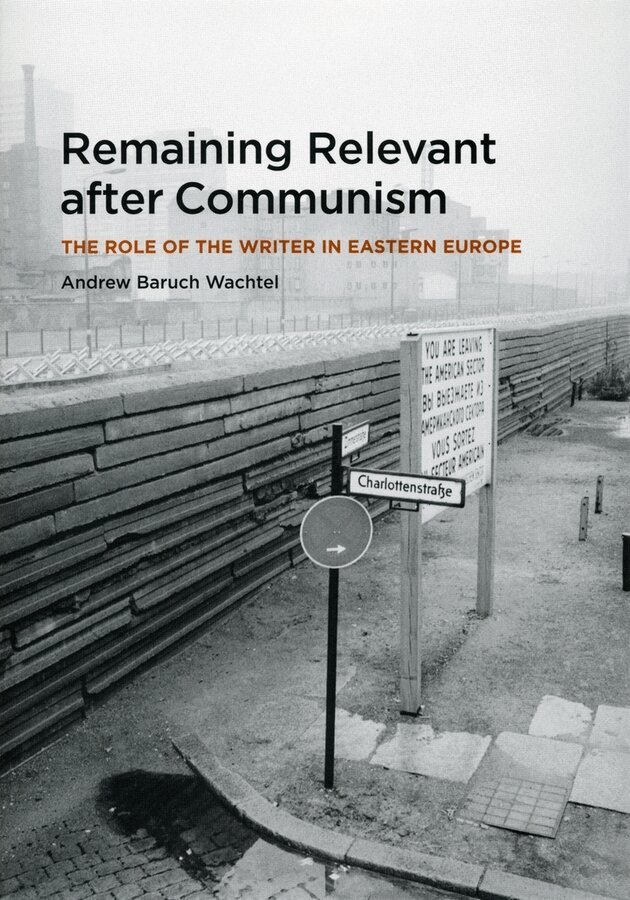
    Remaining Relevant after Communism

    The Role of the Writer in Eastern Europe

    AvAndrew Baruch Wachtel

    Inbunden, Engelska, 2006

    382 kr

    Slutsåld

    Beskrivning

    More than any other art form, literature defined Eastern Europe as a cultural and political entity in the second half of the twentieth century. Although often persecuted by the state, East European writers formed what was frequently recognized to be a "second government," and their voices were heard and revered inside and outside the borders of their countries. This study by one of our most influential specialists on Eastern Europe considers the effects of the end of communism on such writers. According to Andrew Baruch Wachtel, the fall of the Berlin Wall and the creation of fledgling societies in Eastern Europe brought an end to the conditions that put the region's writers on a pedestal. In the euphoria that accompanied democracy and free markets, writers were liberated from the burden of grandiose political expectations. But no group is happy to lose its influence: despite recognizing that their exalted social position was related to their reputation for challenging political oppression, such writers have worked hard to retain their status, inventing a series of new strategies for this purpose."Remaining Relevant after Communism" considers these strategies - from pulp fiction to public service - documenting what has happened on the East European scene since 1989.

    Produktinformation

    • Utgivningsdatum:2006-02-01
    • Mått:16 x 23 x 2 mm
    • Vikt:482 g
    • Format:Inbunden
    • Språk:Engelska
    • Antal sidor:224
    • Förlag:The University of Chicago Press
    • ISBN:9780226867663

    Utforska kategorier

    • Europas historia inom Historia och arkeologi
    • Litteraturvetenskap inom Skönlitteratur

    Mer om författaren

    Andrew Baruch Wachtel is the Bertha and Max Dressler Professor in the Humanities, director of the Center for International and Comparative Studies, and dean of the Graduate School at Northwestern University. He is the author or editor of numerous works, including Making a Nation, Breaking a Nation: Literature and Cultural Politics in Yugoslavia, which has been translated into Serbian, Romanian, and Slovene.

    Recensioner i media

    "Wachtel is one of the leading specialists on Russian and East European literature. With Remaining Relevant after Communism, he once again contributes significantly to our understanding of such literature as well as its history and reception. This is an original and pioneering study." - Jeffrey Brooks, The Johns Hopkins University"