• Fri frakt över 249 kr
  • •
  • Snabba leveranser
  • •
  • Billiga böcker
Kundservice

Du är på sajten för privatpersoner.

Företag, bibliotek eller offentlig verksamhet?

Du handlar på classic.bokus.com, där alla dina funktioner finns intakta.
Till classic.bokus.com
Bokus logotyp. Gå till startsidan.
  • Erbjudanden
  • Nyheter
  • Student
  • Topplistor
  • Barn & ungdom
  • Bokus Play
  • E-böcker
  • Pocketböcker
  • Spel & pussel

10% rabatt på allt med kod: NYSTART10 →

Sidfot

Mina sidor

    Hjälp

    • Kundservice
    • Vanliga frågor och svar
    • Frakt och leverans
    • Retur vid ångerrätt
    • Reklamera vara
    • Betalning
    • Köpvillkor
    • Allmänna villkor
    • Information om webbplatsens tillgänglighet

    Om Bokus

    • Om oss
    • Pressrum
    • För studenter
    • För företag
    • För bibliotek och offentlig verksamhet
    • För leverantörer
    • Hållbarhet

    Populärt

    • Aktuella erbjudanden
    • Presentkort
    • Studentlitteratur
    • Nya böcker
    • Topplistor
    • Signerade böcker
    • Engelska böcker

    Inspiration

    • Boktips
    • BookTok
    • Populära bokserier
    • Barnbokskaraktärer
    • Populära författare
    Logotyp för Bokus
    Följ oss på Facebook (extern länk)Följ oss på Instagram (extern länk)Följ oss på YouTube (extern länk)Följ oss på TikTok (extern länk)
    bokus @ CookiesAnpassa cookiesIntegritetspolicyKöpvillkor
    Till Citymail hemsida (extern länk)Till Budbee hemsida (extern länk)Till Postnord hemsida (extern länk)Till Schenker hemsida (extern länk)Till Early Bird hemsida (extern länk)Till Walleys hemsida (extern länk)
    1. Kultur
    2. Musikböcker
    3. Musik: stilar och genrer
    4. Folkmusik

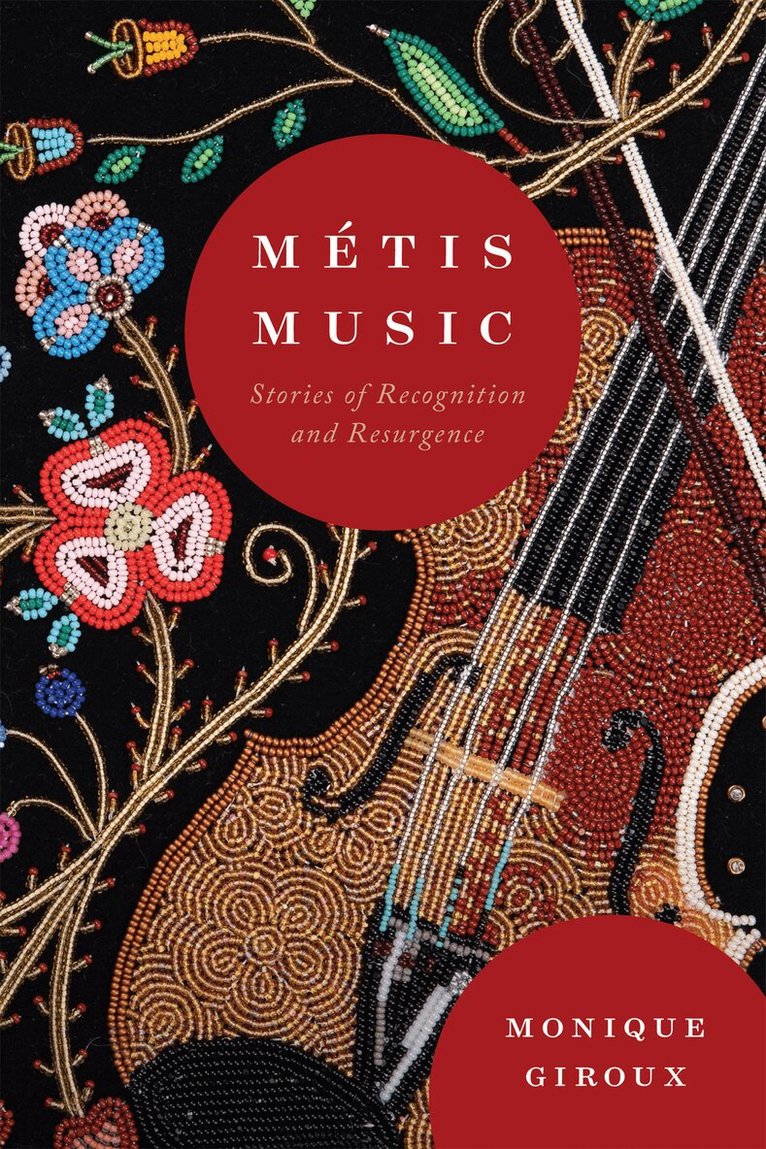
    Métis Music

    Stories of Recognition and Resurgence

    AvMonique Giroux

    Häftad, Engelska, 2024

    Del 108 i serien McGill-Queen's Indigenous and Northern Studies

    403 kr

    Skickas . Fri frakt över 249 kr.

    Fler format och utgåvor

    Inbunden

    1 249 kr

    Beskrivning

    What makes music Métis, and who gets to decide? Complex dynamics of recognition, non-recognition, and erasure have played out over a history of Métis music-making, from the Red River Resistance all the way to the present day.Monique Giroux argues that Métis music reflects broader social relationships, in particular the politics of recognition. Drawing on newspaper articles, archival documents, interviews with Métis and non-Métis musicians, and over a decade of research at cultural festivals, she charts a history of reframings: a changing but problematic relationship whereby settlers define the boundaries of acceptance to assert control over Métis identity and culture. Complicating this narrative, Giroux points to the many ways Métis have resisted settler recognition and erasure – both within mainstream old-time fiddling and at Métis-run events where people have continued to gather, tell stories, and draw on music to rebuild relationships in a time of resurgence.Métis Music critically examines music as a shifting site of encounter, showing its readers what to listen for, how to learn by listening, and the importance of acting intentionally with the learning gained through listening.

    Produktinformation

    • Utgivningsdatum:2024-10-15
    • Mått:152 x 229 x 19 mm
    • Vikt:432 g
    • Format:Häftad
    • Språk:Engelska
    • Serie:McGill-Queen's Indigenous and Northern Studies
    • Antal sidor:288
    • Förlag:McGill-Queen's University Press
    • ISBN:9780228022268

    Utforska kategorier

    • Folkmusik inom Kultur
    • Etnicitet inom Samhälle och politik

    Mer om författaren

    Monique Giroux holds the Canada Research Chair in Métis Music and is associate professor of music at the University of Lethbridge.

    Recensioner i media

    “A welcome book, Métis Music provides immense historical and ethnographic depth, examining settler misrecognition and Indigenous resurgence across musical contexts past and present. Rather than portraying Métis fiddlers on the periphery, Giroux highlights the important role they have played in the formation of mainstream fiddle style.” Byron Dueck, The Open University