E-bok, Engelska, 2014
Pekin
381 kr
Skickas tisdag 13/10
Beskrivning
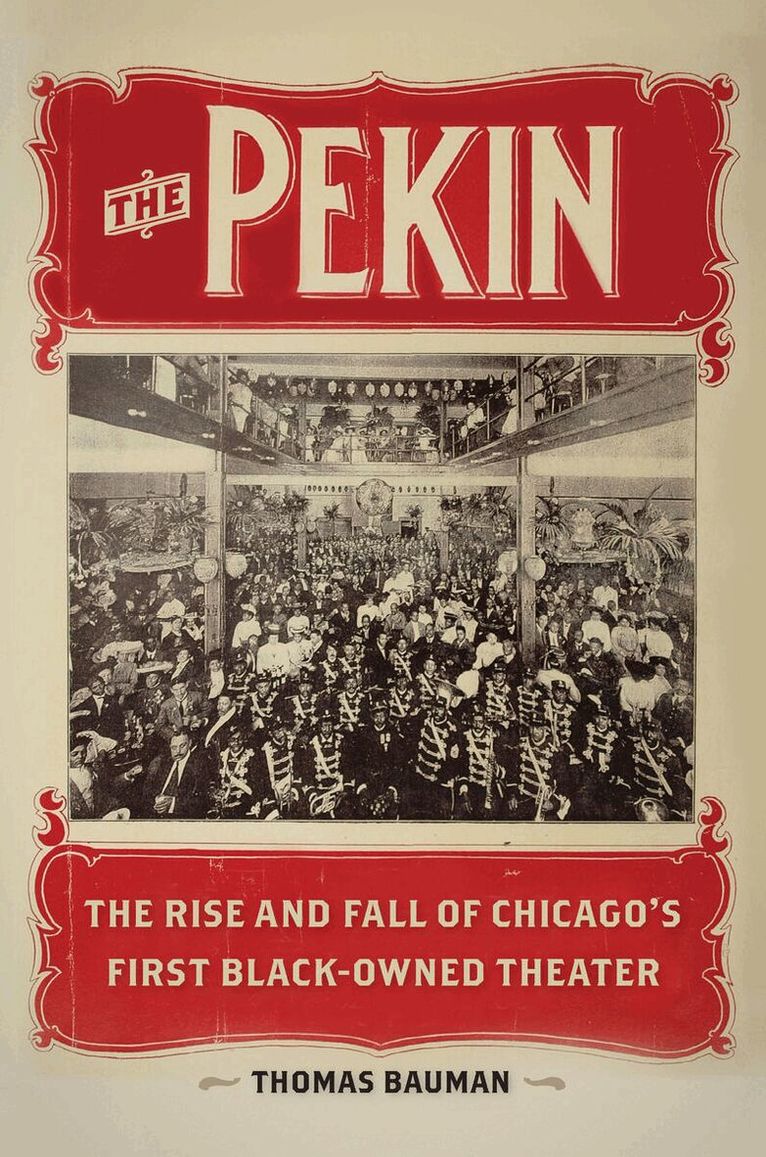
In 1904, political operator and gambling boss Robert T. Motts opened the Pekin Theater in Chicago. Dubbed the "Temple of Music," the Pekin became one of the country''s most prestigious African American cultural institutions, renowned for its all-black stock company and school for actors, an orchestra able to play ragtime and opera with equal brilliance, and a repertoire of original musical comedies.
A missing chapter in African American theatrical history, Bauman''s saga presents how Motts used his entrepreneurial acumen to create a successful black-owned enterprise. Concentrating on institutional history, Bauman explores the Pekin''s philosophy of hiring only African American staff, its embrace of multi-racial upper class audiences, and its ready assumption of roles as diverse as community center, social club, and fundraising instrument.
The Pekin''s prestige and profitability faltered after Motts'' death in 1911 as his heirs lacked his savvy, and African American elites turned away from pure entertainment in favor of spiritual uplift. But, as Bauman shows, the theater had already opened the door to a new dynamic of both intra- and inter-racial theater-going and showed the ways a success, like the Pekin, had a positive economic and social impact on the surrounding community.
A missing chapter in African American theatrical history, Bauman''s saga presents how Motts used his entrepreneurial acumen to create a successful black-owned enterprise. Concentrating on institutional history, Bauman explores the Pekin''s philosophy of hiring only African American staff, its embrace of multi-racial upper class audiences, and its ready assumption of roles as diverse as community center, social club, and fundraising instrument.
The Pekin''s prestige and profitability faltered after Motts'' death in 1911 as his heirs lacked his savvy, and African American elites turned away from pure entertainment in favor of spiritual uplift. But, as Bauman shows, the theater had already opened the door to a new dynamic of both intra- and inter-racial theater-going and showed the ways a success, like the Pekin, had a positive economic and social impact on the surrounding community.
Produktinformation
- Utgivningsdatum: 2014-05-30
- Format: E-bok
- Språk: Engelska
- Antal sidor: 240
- Förlag: University of Illinois Press
- ISBN: 9780252096242
Utforska kategorier
Betyg & recensioner
0 recensioner
Inga recensioner tillgängliga.