• Fri frakt över 249 kr
  • •
  • Snabba leveranser
  • •
  • Billiga böcker
Kundservice

Du är på sajten för privatpersoner.

Företag, bibliotek eller offentlig verksamhet?

Du handlar på classic.bokus.com, där alla dina funktioner finns intakta.
Till classic.bokus.com
Bokus logotyp. Gå till startsidan.
  • Erbjudanden
  • Nyheter
  • Student
  • Topplistor
  • Barn & ungdom
  • Bokus Play
  • E-böcker
  • Pocketböcker
  • Spel & pussel

10% rabatt på allt med kod: NYSTART10 →

Sidfot

Mina sidor

    Hjälp

    • Kundservice
    • Vanliga frågor och svar
    • Frakt och leverans
    • Retur vid ångerrätt
    • Reklamera vara
    • Betalning
    • Köpvillkor
    • Allmänna villkor
    • Information om webbplatsens tillgänglighet

    Om Bokus

    • Om oss
    • Pressrum
    • För studenter
    • För företag
    • För bibliotek och offentlig verksamhet
    • För leverantörer
    • Hållbarhet

    Populärt

    • Aktuella erbjudanden
    • Presentkort
    • Studentlitteratur
    • Nya böcker
    • Topplistor
    • Signerade böcker
    • Engelska böcker

    Inspiration

    • Boktips
    • BookTok
    • Populära bokserier
    • Barnbokskaraktärer
    • Populära författare
    Logotyp för Bokus
    Följ oss på Facebook (extern länk)Följ oss på Instagram (extern länk)Följ oss på YouTube (extern länk)Följ oss på TikTok (extern länk)
    bokus @ CookiesAnpassa cookiesIntegritetspolicyKöpvillkor
    Till Citymail hemsida (extern länk)Till Budbee hemsida (extern länk)Till Postnord hemsida (extern länk)Till Schenker hemsida (extern länk)Till Early Bird hemsida (extern länk)Till Walleys hemsida (extern länk)
    1. Filosofi och religion
    2. Religion och tro
    3. Buddhism

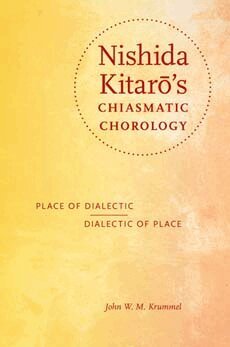
    Nishida Kitarō's Chiasmatic Chorology

    Place of Dialectic, Dialectic of Place

    AvJohn W. M. Krummel

    Inbunden, Engelska, 2015

    Del i serien World Philosophies

    665 kr

    Beställningsvara. Skickas inom 5-8 vardagar. Fri frakt över 249 kr.

    Beskrivning

    Nishida Kitarō (1870–1945) is considered Japan's first and greatest modern philosopher. As founder of the Kyoto School, he began a rigorous philosophical engagement and dialogue with Western philosophical traditions, especially the work of G. W. F. Hegel. John W. M. Krummel explores the Buddhist roots of Nishida's thought and places him in connection with Hegel and other philosophers of the Continental tradition. Krummel develops notions of self-awareness, will, being, place, the environment, religion, and politics in Nishida's thought and shows how his ethics of humility may best serve us in our complex world.

    Produktinformation

    • Utgivningsdatum:2015-09-01
    • Mått:152 x 229 x 22 mm
    • Vikt:612 g
    • Format:Inbunden
    • Språk:Engelska
    • Serie:World Philosophies
    • Antal sidor:304
    • Förlag:Indiana University Press
    • ISBN:9780253017536

    Utforska kategorier

    • Buddhism inom Filosofi och religion
    • Filosofiska discipliner inom Filosofi och religion

    Mer om författaren

    John W. M. Krummel is Associate Professor of Religious Studies at Hobart and William Smith Colleges.

    Recensioner i media

    The current volume constitutes an enormous contribution to Nishida scholarship, comparative philosophy, and postmodern visions of and for a global world. It provides inspiring scholarship on Nishida and, at the same time, invites subsequent creative reflections. In short, it constitutes philosophical reflection at its best.(Japanese Journal of Religious Studies) [This] volume constitutes an enormous contribution to Nishida scholarship, comparative philosophy, and postmodern visions of and for a global world. It provides inspiring scholarship on Nishida and, at the same time, invites subsequent creative reflections. In short, it constitutes philosophical reflection at its best.(Journal of Japanese Studies)

    Innehållsförteckning

    • AcknowledgmentsIntroductionPart I. Preliminary Studies1. From Aristotle's Substance to Hegel's Concrete Universal: The Development of Nishida's Dialectic2. Hegelian Dialectics and Mahāyāna Non-DualismPart II. Dialectics in Nishida3. Pure Experience, Self-Awareness, and Will: Dialectics in the Early Works (From the 1910s to the 1920s)4. Dialectics in the Epistemology of Place (From the Late 1920s to the Early 1930s)5. The Dialectic of the World-Matrix (From the 1930s to the 1940s): Acting Persons6. The Dialectic of the World-Matrix (From the 1930s to the 1940s): The Dialectical Universal and Contradictory Identity7. The Dialectic of Religiosity (the 1940s)Part III. Conclusions8. Nishida and Hegel9. Nishida, Buddhism, and Religion10. The Chiasma and the Chōra11. Concluding Thoughts, Criticism and EvaluationLexiconNotesBibliographyIndex