• Fri frakt över 249 kr
  • •
  • Snabba leveranser
  • •
  • Billiga böcker
Kundservice

Du är på sajten för privatpersoner.

Företag, bibliotek eller offentlig verksamhet?

Du handlar på classic.bokus.com, där alla dina funktioner finns intakta.
Till classic.bokus.com
Bokus logotyp. Gå till startsidan.
  • Erbjudanden
  • Nyheter
  • Student
  • Topplistor
  • Barn & ungdom
  • Bokus Play
  • E-böcker
  • Pocketböcker
  • Spel & pussel

10% rabatt på allt med kod NYSTART10 →

Sidfot

Mina sidor

    Hjälp

    • Kundservice
    • Vanliga frågor och svar
    • Frakt och leverans
    • Retur vid ångerrätt
    • Reklamera vara
    • Betalning
    • Köpvillkor
    • Allmänna villkor
    • Information om webbplatsens tillgänglighet

    Om Bokus

    • Om oss
    • Pressrum
    • För studenter
    • För företag
    • För bibliotek och offentlig verksamhet
    • För leverantörer
    • Hållbarhet

    Populärt

    • Aktuella erbjudanden
    • Presentkort
    • Studentlitteratur
    • Nya böcker
    • Topplistor
    • Signerade böcker
    • Engelska böcker

    Inspiration

    • Boktips
    • BookTok
    • Populära bokserier
    • Barnbokskaraktärer
    • Populära författare
    Logotyp för Bokus
    Följ oss på Facebook (extern länk)Följ oss på Instagram (extern länk)Följ oss på YouTube (extern länk)Följ oss på TikTok (extern länk)
    bokus @ CookiesAnpassa cookiesIntegritetspolicyKöpvillkor
    Till Citymail hemsida (extern länk)Till Budbee hemsida (extern länk)Till Postnord hemsida (extern länk)Till Schenker hemsida (extern länk)Till Early Bird hemsida (extern länk)Till Walleys hemsida (extern länk)
    1. Samhälle och politik
    2. Sociologi och antropologi
    3. Sociologi

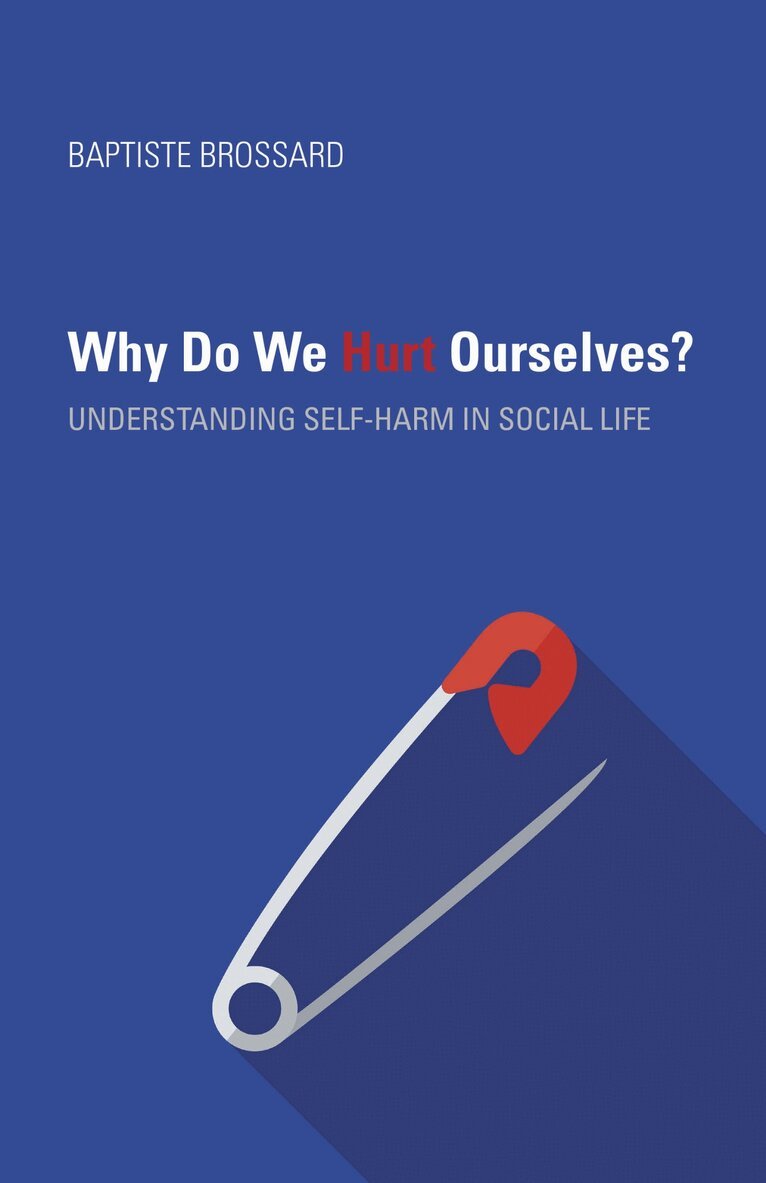
    Why Do We Hurt Ourselves?

    Understanding Self-Harm in Social Life

    AvBaptiste Brossard

    E-bok
    PDF, Engelska, 2018

    97 kr

    Läs direkt i Bokus Reader – eller ladda ned till din enhet (PDF kräver ofta zoom och scroll på små skärmar).

    Fler format och utgåvor

    Inbunden

    884 kr

    Häftad

    267 kr

    E-bok

    97 kr

    Beskrivning

    Why does an estimated 5% of the general population intentionally and repeatedly hurt themselves? What are the reasons certain people resort to self-injury as a way to manage their daily lives? In Why Do We Hurt Ourselves, sociologist Baptiste Brossard draws on a five-year survey of self-injurers and suggests that the answers can be traced to social, more than personal, causes. Self-injury is not a matter of disturbed individuals resorting to hurting themselves in the face of individual weaknesses and difficulties. Rather, self-injury is the reaction of individuals to the tensions that compose, day after day, the tumultuousness of their social life and position. Self-harm is a practice that people use to self-control and maintain order—to calm down, or to avoid "going haywire" or "breaking everything." More broadly, through this research Brossard works to develop a perspective on the contemporary social world at large, exploring quests for self-control in modern Western societies.

    Produktinformation

    • Utgivningsdatum:2018-06-14
    • Språk:Engelska
    • Antal sidor:210
    • Filformat:PDF
    • Kopieringsskydd:LCP
    • ISBN:9780253036414
    • Förlag:Indiana University Press
    • Dimensioner:140 x 216 x undefined mm

    Utforska kategorier

    • Sociologi inom Samhälle och politik
    • Uppfostran inom Hälsa och familj

    Mer om författaren

    Baptiste Brossard, a French sociologist, is Lecturer at the Australian National University.

    Recensioner i media

    "Recommended."—Choice

    Innehållsförteckning

    • IntroductionPart One: A Practice of Self-ControlIntroduction1. The First Time2. Towards a Feeling of Dependence3. Talking about Self-Injury?4. Quitting5. Self-Injury on a Regular Basis6. On the Manners to Self-InjureConclusion: Maintaining the OrderPart Two: A Social Positioning PracticeIntroduction7. The Staging of Discretion8. At the Origin of "Relational Problems"9. The Existential Crisis10. What Gender Represents11. What Some Events ImplyConclusion: A Relational Map of Self-InjuryConclusion: A Self-Controlled YouthEndnotesIndex