• Fri frakt över 249 kr
  • •
  • Snabba leveranser
  • •
  • Billiga böcker
Kundservice

Du är på sajten för privatpersoner.

Företag, bibliotek eller offentlig verksamhet?

Du handlar på classic.bokus.com, där alla dina funktioner finns intakta.
Till classic.bokus.com
Bokus logotyp. Gå till startsidan.
  • Erbjudanden
  • Nyheter
  • Student
  • Topplistor
  • Barn & ungdom
  • Bokus Play
  • E-böcker
  • Pocketböcker
  • Spel & pussel

10% rabatt på allt med kod NYSTART10 →

Sidfot

Mina sidor

    Hjälp

    • Kundservice
    • Vanliga frågor och svar
    • Frakt och leverans
    • Retur vid ångerrätt
    • Reklamera vara
    • Betalning
    • Köpvillkor
    • Allmänna villkor
    • Information om webbplatsens tillgänglighet

    Om Bokus

    • Om oss
    • Pressrum
    • För studenter
    • För företag
    • För bibliotek och offentlig verksamhet
    • För leverantörer
    • Hållbarhet

    Populärt

    • Aktuella erbjudanden
    • Presentkort
    • Studentlitteratur
    • Nya böcker
    • Topplistor
    • Signerade böcker
    • Engelska böcker

    Inspiration

    • Boktips
    • BookTok
    • Populära bokserier
    • Barnbokskaraktärer
    • Populära författare
    Logotyp för Bokus
    Följ oss på Facebook (extern länk)Följ oss på Instagram (extern länk)Följ oss på YouTube (extern länk)Följ oss på TikTok (extern länk)
    bokus @ CookiesAnpassa cookiesIntegritetspolicyKöpvillkor
    Till Citymail hemsida (extern länk)Till Budbee hemsida (extern länk)Till Postnord hemsida (extern länk)Till Schenker hemsida (extern länk)Till Early Bird hemsida (extern länk)Till Walleys hemsida (extern länk)
    1. Medicin
    2. Andra medicinska specialiteter
    3. Neurologi och klinisk neurofysiologi
    4. Alzheimer, demens

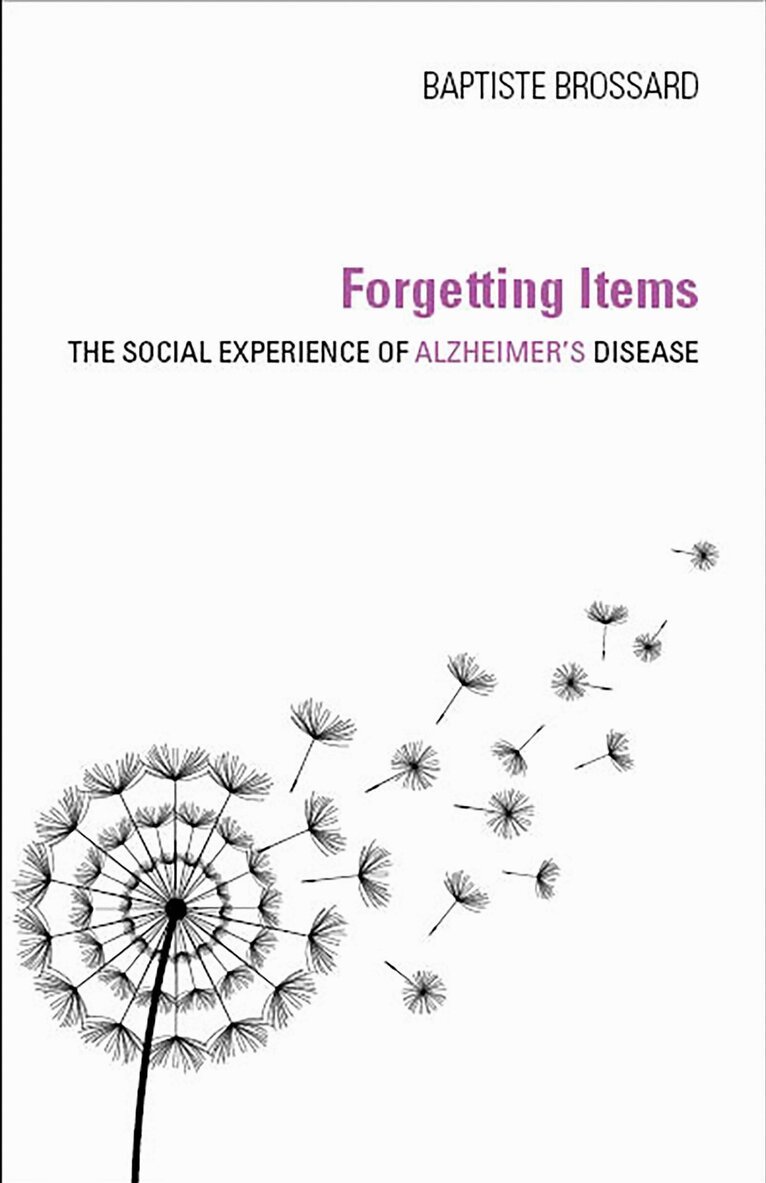
    Forgetting Items

    The Social Experience of Alzheimer's Disease

    AvBaptiste Brossard

    Häftad, Engelska, 2019

    Del i serien Indiana University Press (IPS)

    284 kr

    Beställningsvara. Skickas inom 5-8 vardagar. Fri frakt över 249 kr.

    Fler format och utgåvor

    Inbunden

    706 kr

    E-bok

    143 kr

    Beskrivning

    Alzheimer's disease has not only profound medical consequences for the individual experiencing it but a life-changing impact on those around them. From the moment a person is suspected to be suffering from Alzheimer's or another form of dementia, the interactions they encounter progressively change. Forgetting Items focuses on that social experience of Alzheimer's, delineating the ways disease symptoms manifest and are understood through the interactions between patients and the people around them. Mapping out those interactions takes readers through the offices of geriatricians, into patients' narratives and interviews with caregivers, down the corridors of nursing homes, and into the discourses shaping public policies and media coverage. Revealing the everyday experience of Alzheimer's helps us better understand the depth of its impact and points us toward more knowledgeable, holistic ways to help treat the disease.

    Produktinformation

    • Utgivningsdatum:2019-07-31
    • Mått:140 x 216 x 9 mm
    • Vikt:227 g
    • Format:Häftad
    • Språk:Engelska
    • Serie:Indiana University Press (IPS)
    • Antal sidor:172
    • Förlag:Indiana University Press
    • ISBN:9780253044983

    Utforska kategorier

    • Alzheimer, demens inom Medicin
    • Särskilda hälsotillstånd inom Hälsa och familj
    • Demenssjukdom inom Hälsa och familj

    Mer om författaren

    Baptiste Brossard is a French sociologist and Lecturer at the Australian National University. He is author of Why Do We Hurt Ourselves?: Understanding Self-Harm in Social Life.

    Recensioner i media

    "Forgetting Items is in the upper echelons of social dementia research and deserves substantial positive attention for an entertaining and revelatory contribution to the field."—Symbolic Interaction

    Innehållsförteckning

    • AcknowledgmentsIntroductionChapter One: The Organization of Repairing ExchangesChapter Two: Losing CredibilityChapter Three: The Deference IndustryChapter Four: Reconstituting PeopleConclusionNotes