

Vision, the Gaze, and the Function of the Senses in “Celestina”
594 kr
Beställningsvara. Skickas inom 5-8 vardagar. Fri frakt över 249 kr.
Beskrivning
The plot of the late-medieval Spanish work Celestina (1499) centers on the ill-fated love of Calisto and Melibea and the fascinating character of their intermediary, Celestina. In this ground-breaking rereading of the play, James F. Burke offers a new interpretation of the characters' actions by analyzing medieval theories of perception that would have influenced the composition of Celestina. Drawing upon a variety of texts and thinkers—including the medieval theories of Thomas Aquinas, the Renaissance treatises of Marsilio Ficino, the classical philosophy of Aristotle, and the modern psychology of Jacques Lacan—Burke relates ancient and medieval theories of sensory functions to modern understandings. He demonstrates that modern concepts of "the gaze" have their premodern analogy in the idea of an all-encompassing sensory field, both visual and auditory, that surrounded and enveloped each individual. Touching on medieval theories of the "evil eye," the sonic sphere, and "the banquet of the senses," Burke offers a new perspective on the use and manipulation of sensory input by the characters of Celestina. This book will be welcomed not only by students of Spanish literature but also by those interested in new ways of approaching medieval and Renaissance texts.
Produktinformation
Utforska kategorier
Mer om författaren
Recensioner i media
Hoppa över listan

Mer från samma författare
Del 33
Centre and Its Compass
James F Burke, Patricia J Eberle, Ian Lancashire, Brian S. Merrilees, Robert A Taylor
Inbunden, 1993
524 kr
Del 33
Centre and Its Compass
Robert A. Taylor, James F. Burke, Patricia J. Eberle, Ian Lancashire, Brian S. Merrilees
Häftad, 1993
524 kr
Proceedings of the Tenth Republican National Convention
Theodore C Rose, James F Burke
Häftad, 2017
320 kr
Del 28
History and Vision: The Figural Structure of the 'Libro del Cavallero Zifar'
James F. Burke
Häftad
457 kr
Hoppa över listan
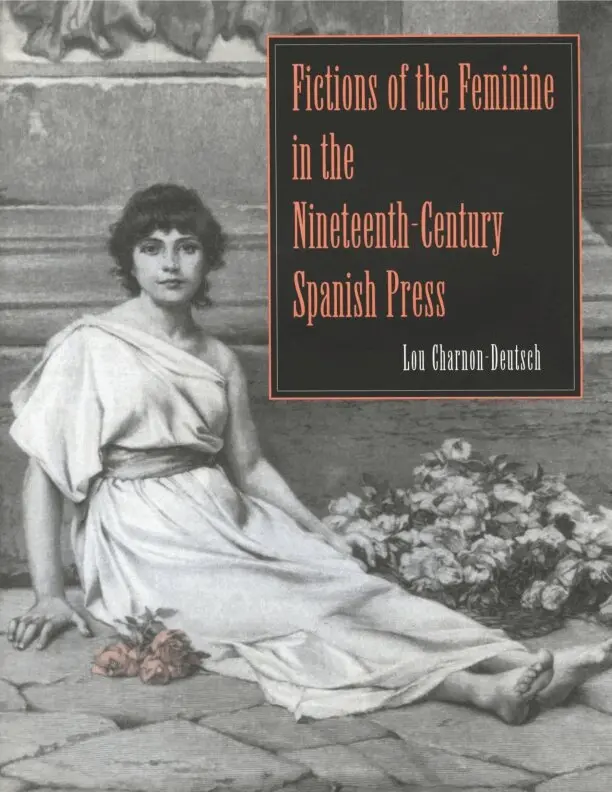




Mer från samma serie
Fictions of the Feminine in the Nineteenth-Century Spanish Press
Lou Charnon-Deutsch
Inbunden, 1999
1 233 kr
Hoppa över listan
Du kanske också är intresserad av
- Nyhet
Del 28
History and Vision: The Figural Structure of the 'Libro del Cavallero Zifar'
James F. Burke
Häftad
457 kr
Del 33
Centre and Its Compass
Robert A. Taylor, James F. Burke, Patricia J. Eberle, Ian Lancashire, Brian S. Merrilees
Häftad, 1993
524 kr
Del 33
Centre and Its Compass
James F Burke, Patricia J Eberle, Ian Lancashire, Brian S. Merrilees, Robert A Taylor
Inbunden, 1993
524 kr
Proceedings of the Tenth Republican National Convention
Theodore C Rose, James F Burke
Häftad, 2017
320 kr
Fictions of the Feminine in the Nineteenth-Century Spanish Press
Lou Charnon-Deutsch
Inbunden, 1999
1 233 kr