• Fri frakt över 249 kr
  • •
  • Snabba leveranser
  • •
  • Billiga böcker
Kundservice

Du är på sajten för privatpersoner.

Företag, bibliotek eller offentlig verksamhet?

Du handlar på classic.bokus.com, där alla dina funktioner finns intakta.
Till classic.bokus.com
Bokus logotyp. Gå till startsidan.
  • Erbjudanden
  • Nyheter
  • Student
  • Topplistor
  • Barn & ungdom
  • Bokus Play
  • E-böcker
  • Pocketböcker
  • Spel & pussel

10% rabatt på allt med kod: NYSTART10 →

Sidfot

Mina sidor

    Hjälp

    • Kundservice
    • Vanliga frågor och svar
    • Frakt och leverans
    • Retur vid ångerrätt
    • Reklamera vara
    • Betalning
    • Köpvillkor
    • Allmänna villkor
    • Information om webbplatsens tillgänglighet

    Om Bokus

    • Om oss
    • Pressrum
    • För studenter
    • För företag
    • För bibliotek och offentlig verksamhet
    • För leverantörer
    • Hållbarhet

    Populärt

    • Aktuella erbjudanden
    • Presentkort
    • Studentlitteratur
    • Nya böcker
    • Topplistor
    • Signerade böcker
    • Engelska böcker

    Inspiration

    • Boktips
    • BookTok
    • Populära bokserier
    • Barnbokskaraktärer
    • Populära författare
    Logotyp för Bokus
    Följ oss på Facebook (extern länk)Följ oss på Instagram (extern länk)Följ oss på YouTube (extern länk)Följ oss på TikTok (extern länk)
    bokus @ CookiesAnpassa cookiesIntegritetspolicyKöpvillkor
    Till Citymail hemsida (extern länk)Till Budbee hemsida (extern länk)Till Postnord hemsida (extern länk)Till Schenker hemsida (extern länk)Till Early Bird hemsida (extern länk)Till Walleys hemsida (extern länk)
    1. Språk och ordböcker
    2. Språkvetenskap och lingvistik

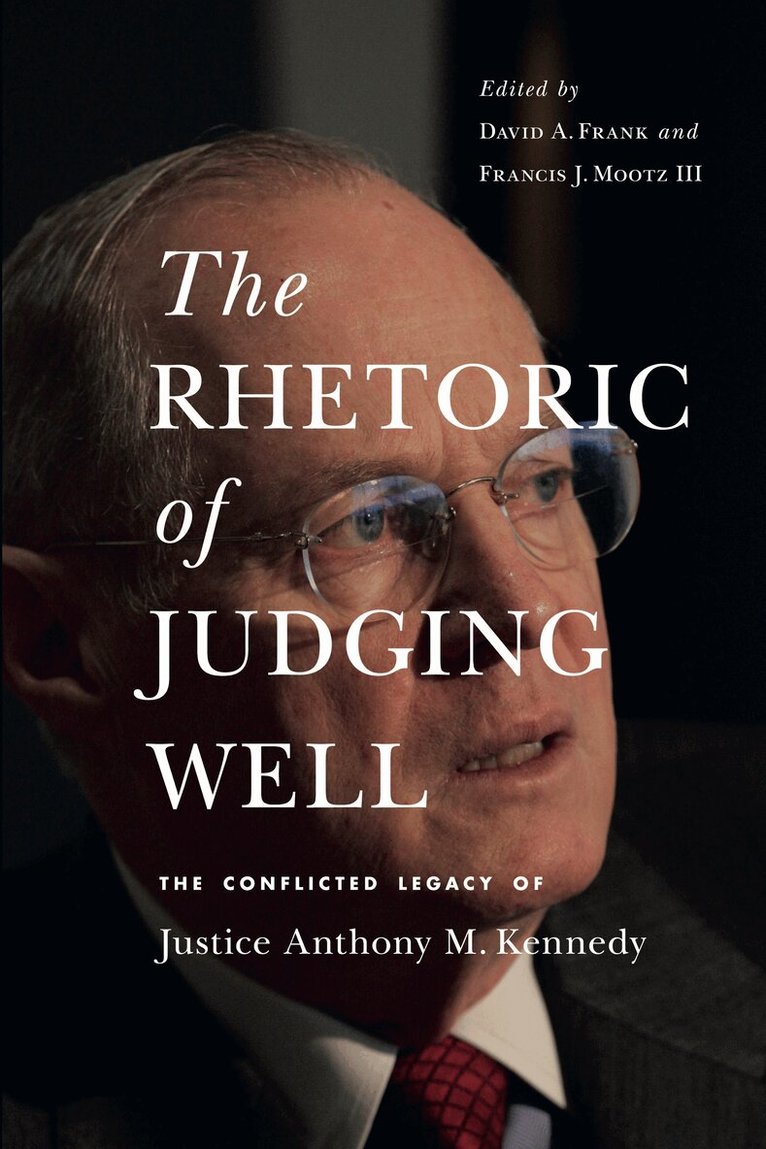
    Rhetoric of Judging Well

    The Conflicted Legacy of Justice Anthony M. Kennedy

    AvDavid a. Frank,David A. Frank

    Häftad, Engelska, 2025

    Del 29 i serien Rhetoric and Democratic Deliberation

    421 kr

    Beställningsvara. Skickas inom 5-8 vardagar. Fri frakt över 249 kr.
    Beskrivning

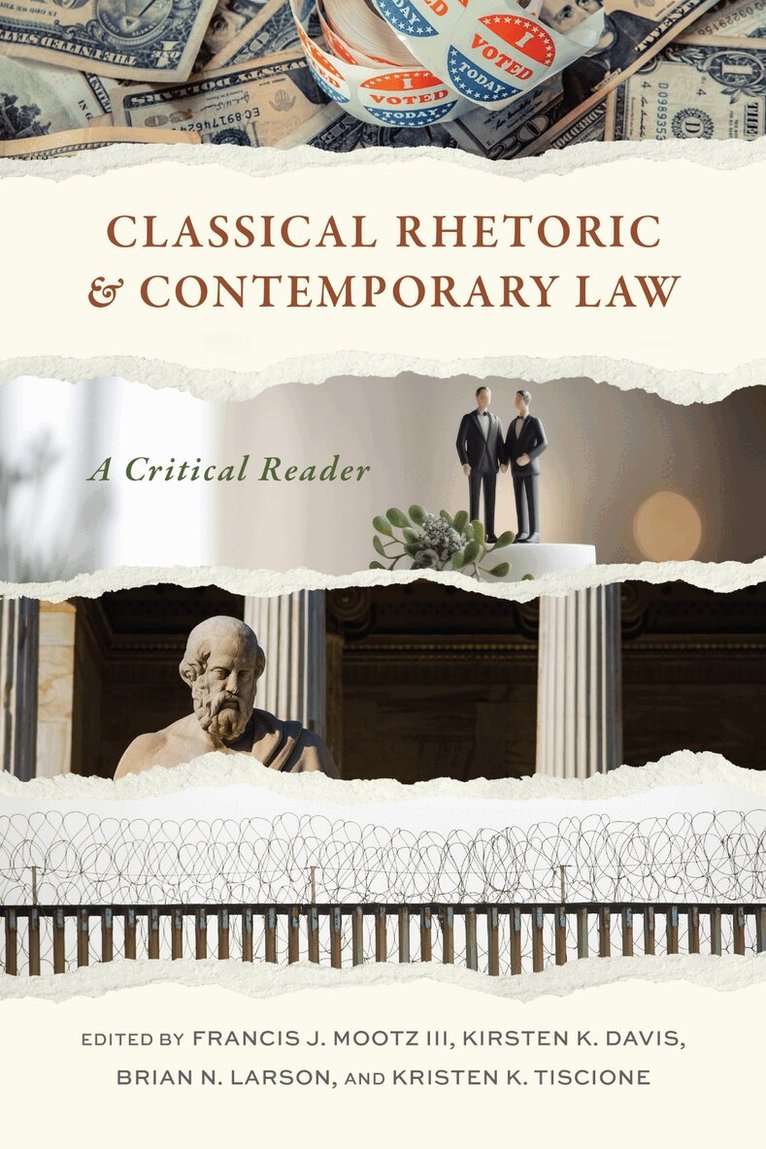
    Known as the “swing justice,” Justice Anthony M. Kennedy provided the key vote determining which way the Supreme Court would decide on some of the most controversial cases in US history. Though criticized for his unpredictable rulings, Kennedy also gained a reputation for his opinion writing and, more so, for his legal rhetoric.This book examines Justice Kennedy’s legacy through the lenses of rhetoric, linguistics, and constitutional law. Essays analyze Kennedy’s opinion writing in landmark cases such as Romer v. Evans, Obergefell v. Hodges, and Planned Parenthood v. Casey. Using the Justice’s rhetoric as an entry point into his legal philosophy, this volume reveals Kennedy as a justice with contradictions and blind spots—especially on race, women’s rights, and immigration—but also as a man of empathy deeply committed to American citizenship.A sophisticated assessment of Justice Kennedy’s jurisprudence, this book provides new insight into Kennedy’s legacy on the Court and into the role that rhetoric plays in judging and in communicating judgment.In addition to the editors, the contributors to this volume are Ashutosh Bhagwat, Elizabeth C. Britt, Martin Camper, Michael Gagarin, James A. Gardner, Eugene Garver, Leslie Gielow Jacobs, Sean Patrick O’Rourke, Susan E. Provenzano, Clarke Rountree, Leticia M. Saucedo, Darien Shanske, Kathryn Stanchi, and Rebecca E. Zietlow.

    Produktinformation

    • Utgivningsdatum:2025-02-18
    • Mått:152 x 229 x 21 mm
    • Vikt:426 g
    • Format:Häftad
    • Språk:Engelska
    • Serie:Rhetoric and Democratic Deliberation
    • Antal sidor:294
    • Förlag:Pennsylvania State University Press
    • ISBN:9780271094854
    • Utmärkelser:Winner of Albert J. Reiss Distinguished Scholarly Publication Award 2023

    Utforska kategorier

    • Språkvetenskap och lingvistik inom Språk och ordböcker

    Mer om författaren

    David A. Frank is Professor of Rhetoric at the University of Oregon. He is the coauthor of numerous books, including most recently Frames of Evil: The Holocaust as Horror in American Film.Francis J. Mootz III is Professor of Law at the University of the Pacific. He is the author of Law, Hermeneutics and Rhetoric and Rhetorical Knowledge in Legal Practice and Critical Legal Theory.

    Recensioner i media

    “The Rhetoric of Judging Well truly blazes a trail about how to take the rhetoric of legal reasoning out of the partisan, polarized world of legal journalism and bring it intelligibly into public discourse. Rhetoricians will gain copious insights about legal reasoning, and legal scholars will discover rhetorical tools for their research.”—William M. Keith, coauthor of Beyond Civility: The Competing Obligations of Citizenship

    Innehållsförteckning

    • AcknowledgementsIntroductionPart 1. Judgment in Classical Rhetoric1. Justice Kennedy and the Interpretation of Legal Texts: The Classical BackgroundMichael Gagarin2. Sex and Moral Pollution in the Rhetoric of Justice KennedyEugene GarverPart 2. Judgment in Stasis Theory3. Justice Kennedy’s Definitional Construction of Gay Rights in Lawrence and Obergefell: Legal Rhetorical Analysis with the Interpretive StasesMartin Camper4. Justice Kennedy, Natural Liberty, and Classical Stasis Theory: Advancing Free Speech with Rhetorical Knowledge and Interpretive ArgumentationSusan E. Provenzano5. Romer v. Evans: Justice Kennedy, Justice Scalia, and the Rhetoric of Judging WellSean Patrick O’RourkePart 3. Judgment in Contemporary Rhetorical Theory6. Constructing a Free Agent: “Good Judgment” in Justice Kennedy’s Lawrence v. Texas OpinionClarke Rountree7. Justice Kennedy and Natural Law ArgumentationFrancis J. Mootz III8. Justice Kennedy, Federalism, and the Nonproduction of Rhetorical KnowledgeDarien ShanskePart 4. Judgment and Justice Kennedy’s Ethos9. Justice Kennedy’s Free Speech OptimismAshutosh Bhagwat10. Strongmen and Neurotics: Visible Struggle and the Construction of Judicial EthosJames A. Gardner11. The Anticlassification Topic and Equal-Liberty TemplateLeslie Gielow JacobsPart 5. Justice Kennedy’s Misjudgments: Women, Race, and Immigrants12. Performing a “View from Nowhere”: Justice Kennedy’s Denial of Embodied KnowledgeElizabeth C. Britt13. Women in Justice Kennedy’s JurisprudenceKathryn Stanchi14. Justice Kennedy’s Anticlassification Doctrine: Not Judging WellRebecca E. Zietlow15. Whose Freedom? Justice Kennedy’s Sovereignty, Autonomy, and Liberty Discourses in the Immigration CasesLeticia M. SaucedoPart 6. Assessment16. Rhetorical Vision and Judgment: Did Justice Anthony M. Kennedy Judge Well?David A. FrankList of ContributorsIndex of CasesIndex of Names and Subjects