• Fri frakt över 249 kr
  • •
  • Snabba leveranser
  • •
  • Billiga böcker
Kundservice

Du är på sajten för privatpersoner.

Företag, bibliotek eller offentlig verksamhet?

Du handlar på classic.bokus.com, där alla dina funktioner finns intakta.
Till classic.bokus.com
Bokus logotyp. Gå till startsidan.
  • Erbjudanden
  • Nyheter
  • Student
  • Topplistor
  • Barn & ungdom
  • Bokus Play
  • E-böcker
  • Pocketböcker
  • Spel & pussel

10% rabatt på allt med kod: NYSTART10 →

Sidfot

Mina sidor

    Hjälp

    • Kundservice
    • Vanliga frågor och svar
    • Frakt och leverans
    • Retur vid ångerrätt
    • Reklamera vara
    • Betalning
    • Köpvillkor
    • Allmänna villkor
    • Information om webbplatsens tillgänglighet

    Om Bokus

    • Om oss
    • Pressrum
    • För studenter
    • För företag
    • För bibliotek och offentlig verksamhet
    • För leverantörer
    • Hållbarhet

    Populärt

    • Aktuella erbjudanden
    • Presentkort
    • Studentlitteratur
    • Nya böcker
    • Topplistor
    • Signerade böcker
    • Engelska böcker

    Inspiration

    • Boktips
    • BookTok
    • Populära bokserier
    • Barnbokskaraktärer
    • Populära författare
    Logotyp för Bokus
    Följ oss på Facebook (extern länk)Följ oss på Instagram (extern länk)Följ oss på YouTube (extern länk)Följ oss på TikTok (extern länk)
    bokus @ CookiesAnpassa cookiesIntegritetspolicyKöpvillkor
    Till Citymail hemsida (extern länk)Till Budbee hemsida (extern länk)Till Postnord hemsida (extern länk)Till Schenker hemsida (extern länk)Till Early Bird hemsida (extern länk)Till Walleys hemsida (extern länk)
    1. Kultur
    2. Konstböcker
    3. Konsthistoria

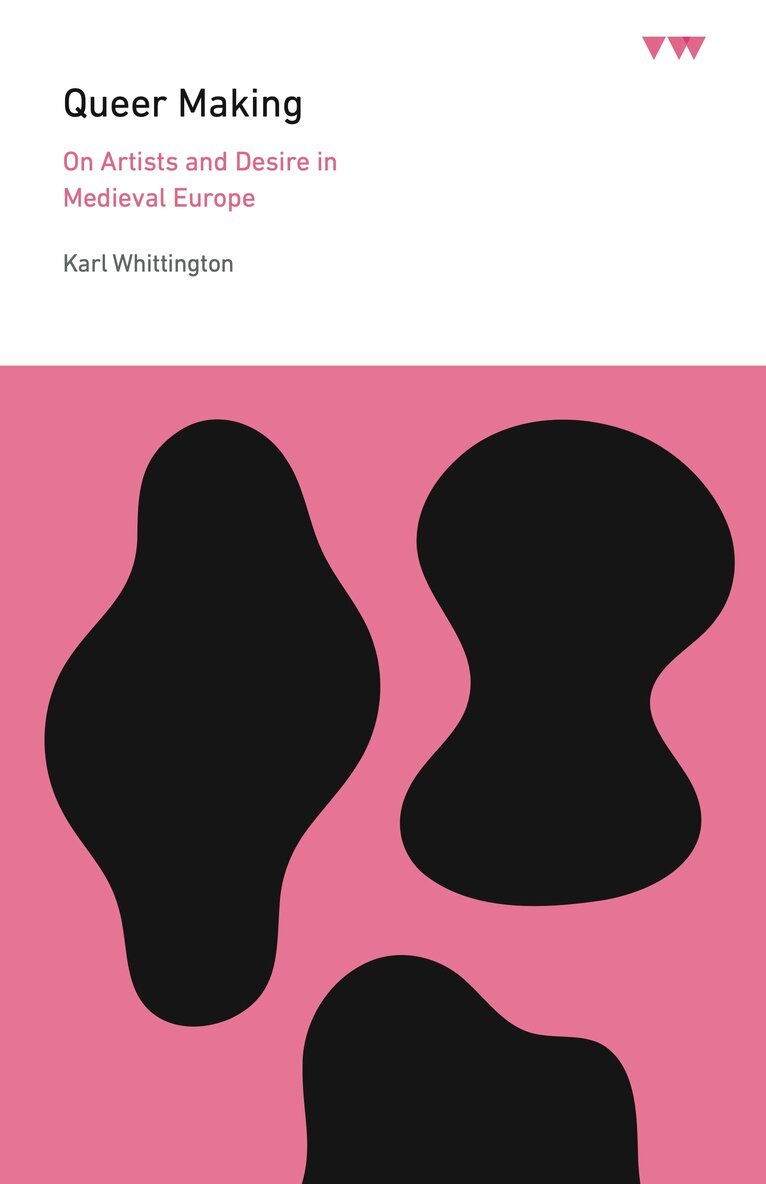
    Queer Making

    On Artists and Desire in Medieval Europe

    AvKarl Whittington

    Häftad, Engelska, 2025

    Del 3 i serien ICMA Books | Viewpoints

    231 kr

    Beställningsvara. Skickas inom 5-8 vardagar. Fri frakt över 249 kr.

    Beskrivning

    What role does desire play in the making of art objects? Art historians typically answer this question by referring to historical evidence about an artist’s sexual identity or to particular kinds of imagery. But what about anonymous artists? Or works whose subject matter is mainstream?We know little about the identities and personalities of most premodern artists, but this should not hold us back from thinking about their embodied experience. In this book, Karl Whittington contends that we can “queer” the works of anonymous makers by thinking about their embodied experiences creating art. Considering issues of touch, pressure, and gesture across substances such as wood, stone, ivory, wax, cloth, paint, and metal, Whittington argues for an erotics of artisanal labor, in which the actions of hand, body, and breath interact in intimate ways with materials. Whittington takes seriously the agency of materials and technical processes, arguing that they necessarily placed the bodies of artists and artisans into physical situations and psychological states that can be read through the lens of desire.Combining historical evidence with speculative description, this evocative set of essays broadens our understanding of the motivations and experiences of premodern artists. It will appeal to scholars and students of art history, medieval studies, gender studies, queer studies, and anthropology.

    Produktinformation

    • Utgivningsdatum:2025-12-02
    • Mått:140 x 216 x 13 mm
    • Vikt:272 g
    • Format:Häftad
    • Språk:Engelska
    • Serie:ICMA Books | Viewpoints
    • Antal sidor:198
    • Förlag:Pennsylvania State University Press
    • ISBN:9780271100425

    Utforska kategorier

    • Konsthistoria inom Kultur
    • Konstteori inom Kultur

    Mer om författaren

    Karl Whittington is Professor of History of Art at The Ohio State University. He is the author of Body-Worlds: Opicinus de Canistris and the Medieval Cartographic Imagination and Trecento Pictoriality: Diagrammatic Painting in Late Medieval Italy.

    Recensioner i media

    “This provocative and pioneering book sets out to explore the capacity of artistic making to engender queer experiences and desires. While to date scholarship on queerness in medieval art has mainly been taken up with issues of identity and iconography, Whittington shifts our attention to materials and techniques, seeing these as being themselves sites of physical intimacy, desire, and (homo)eroticism.”—Robert Mills, author of Seeing Sodomy in the Middle Ages