E-bok, Engelska, 2008
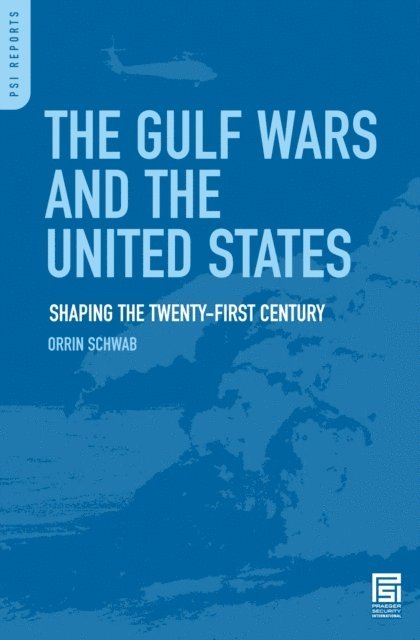
Gulf Wars and the United States
Av Orrin Schwab
1162 kr
Läs direkt i Bokus Reader – eller ladda ned till din enhet (PDF kräver ofta zoom och scroll på små skärmar).
Beskrivning
Schwab's work is five-part analysis of US policy and strategy in the Persian Gulf from 1990-2003. He begins the work by analyzing the prominence of the Persian Gulf in US global strategic thinking during the last decade of the Cold War. By that time, gulf oil had secured a paramount place in the minds of the Reagan and Bush administrations. Part two dissects the relationship that individuals and regional governments in the Persian Gulf shared with the US. Here, Schwab also examines US perceptions of those entities and demonstrates how they helped shape the policies of the US and define the status of those nations in the eyes of US policymakers. When Saddam Hussein invaded Kuwait in 1990, the paradigm shifted dramatically. Part three examines US decision-making in the period immediately after that invasion. Schwab demonstrates that while forging a broad coalition to turn back Iraq was a significant diplomatic achievement, the international determination that defined the conflict in 1990-1991 eroded and gave way to a cumbersome policy of containment. That policy ultimately resulted in the dissolution of the coalition forged by the first Bush administration and burdened his successors as they struggled to achieve the longstanding goal of creating stability throughout the region. Part four explores the efforts of the Clinton and second Bush administrations in the Gulf. Saddam was one of the primary concerns of the Clinton administration, but so too were al-Qaeda, North Korea, China, and especially Yugoslavia. Indeed, his was the first administration to truly attempt to deal with these kinds of problems in a post-Cold War world. Despite their differences, there was a tremendous amount of continuity in the policies pursued by Clinton and George W. Bush. September 11 changed that, however, as Schwab chronicles in part five. In that section he explores how the current administration's adoption of a more proactive strategy of retaliation and preventative war has given rise to a new national security regime increasingly designed to fight asymmetric war while eliminating perceived threats to our national security and interests.
Schwab's work is five-part analysis of US policy and strategy in the Persian Gulf from 1990-2003. He begins the work by analyzing the prominence of the Persian Gulf in US global strategic thinking during the last decade of the Cold War. By that time, gulf oil had secured a paramount place in the minds of the Reagan and Bush administrations. Part two dissects the relationship that individuals and regional governments in the Persian Gulf shared with the US. Here, Schwab also examines US perceptions of those entities and demonstrates how they helped shape US policy and define the status of those nations in the eyes of US policymakers. When Saddam Hussein invaded Kuwait in 1990, the paradigm shifted dramatically. Part three examines US decision-making in the period immediately after that invasion. Schwab demonstrates that while forging a broad coalition to turn back Iraq was a significant diplomatic achievement, the international determination that defined the conflict in 1990-1991 eroded and gave way to a cumbersome policy of containment. That policy ultimately resulted in the dissolution of the coalition forged by the first Bush administration and burdened his successors as they struggled to achieve the longstanding goal of creating stability throughout the region. Part four explores the efforts of the Clinton and second Bush administrations in the Gulf. Saddam was one of the primary concerns of the Clinton administration, but so too were al-Qaeda, North Korea, China, and especially Yugoslavia. Indeed, his was the first administration to truly attempt to deal with these kinds of problems in a post-Cold War world. Despite their differences, there was a tremendous amount of continuity in the policies pursued by Clinton and George W. Bush. September 11 changed that, however, as Schwab chronicles in part five. In that section he explores how the current administration's adoption of a more proactive strategy of retaliation and preventative war has given rise to a new national security regime increasingly designed to fight asymmetric war while eliminating perceived threats to our national security and interests.
Schwab's work is five-part analysis of US policy and strategy in the Persian Gulf from 1990-2003. He begins the work by analyzing the prominence of the Persian Gulf in US global strategic thinking during the last decade of the Cold War. By that time, gulf oil had secured a paramount place in the minds of the Reagan and Bush administrations. Part two dissects the relationship that individuals and regional governments in the Persian Gulf shared with the US. Here, Schwab also examines US perceptions of those entities and demonstrates how they helped shape US policy and define the status of those nations in the eyes of US policymakers. When Saddam Hussein invaded Kuwait in 1990, the paradigm shifted dramatically. Part three examines US decision-making in the period immediately after that invasion. Schwab demonstrates that while forging a broad coalition to turn back Iraq was a significant diplomatic achievement, the international determination that defined the conflict in 1990-1991 eroded and gave way to a cumbersome policy of containment. That policy ultimately resulted in the dissolution of the coalition forged by the first Bush administration and burdened his successors as they struggled to achieve the longstanding goal of creating stability throughout the region. Part four explores the efforts of the Clinton and second Bush administrations in the Gulf. Saddam was one of the primary concerns of the Clinton administration, but so too were al-Qaeda, North Korea, China, and especially Yugoslavia. Indeed, his was the first administration to truly attempt to deal with these kinds of problems in a post-Cold War world. Despite their differences, there was a tremendous amount of continuity in the policies pursued by Clinton and George W. Bush. September 11 changed that, however, as Schwab chronicles in part five. In that section he explores how the current administration's adoption of a more proactive strategy of retaliation and preventative war has given rise to a new national security regime increasingly designed to fight asymmetric war while eliminating perceived threats to our national security and interests.
Produktinformation
- Utgivningsdatum: 2008-11-30
- Språk: Engelska
- Antal sidor: 180
- Filformat: PDF
- Kopieringsskydd: LCP
- ISBN: 9780275997557
- Förlag: Bloomsbury Publishing Plc
- Serie: PSI Reports
Utforska kategorier
Betyg & recensioner
0 recensioner
Inga recensioner tillgängliga.