• Fri frakt över 249 kr
  • •
  • Snabba leveranser
  • •
  • Billiga böcker
Kundservice

Du är på sajten för privatpersoner.

Företag, bibliotek eller offentlig verksamhet?

Du handlar på classic.bokus.com, där alla dina funktioner finns intakta.
Till classic.bokus.com
Bokus logotyp. Gå till startsidan.
  • Erbjudanden
  • Nyheter
  • Student
  • Topplistor
  • Barn & ungdom
  • Bokus Play
  • E-böcker
  • Pocketböcker
  • Spel & pussel

10% rabatt på allt med kod NYSTART10 →

Sidfot

Mina sidor

    Hjälp

    • Kundservice
    • Vanliga frågor och svar
    • Frakt och leverans
    • Retur vid ångerrätt
    • Reklamera vara
    • Betalning
    • Köpvillkor
    • Allmänna villkor
    • Information om webbplatsens tillgänglighet

    Om Bokus

    • Om oss
    • Pressrum
    • För studenter
    • För företag
    • För bibliotek och offentlig verksamhet
    • För leverantörer
    • Hållbarhet

    Populärt

    • Aktuella erbjudanden
    • Presentkort
    • Studentlitteratur
    • Nya böcker
    • Topplistor
    • Signerade böcker
    • Engelska böcker

    Inspiration

    • Boktips
    • BookTok
    • Populära bokserier
    • Barnbokskaraktärer
    • Populära författare
    Logotyp för Bokus
    Följ oss på Facebook (extern länk)Följ oss på Instagram (extern länk)Följ oss på YouTube (extern länk)Följ oss på TikTok (extern länk)
    bokus @ CookiesAnpassa cookiesIntegritetspolicyKöpvillkor
    Till Citymail hemsida (extern länk)Till Budbee hemsida (extern länk)Till Postnord hemsida (extern länk)Till Schenker hemsida (extern länk)Till Early Bird hemsida (extern länk)Till Walleys hemsida (extern länk)
    1. Filosofi och religion
    2. Religion och tro
    3. Religion: allmänt

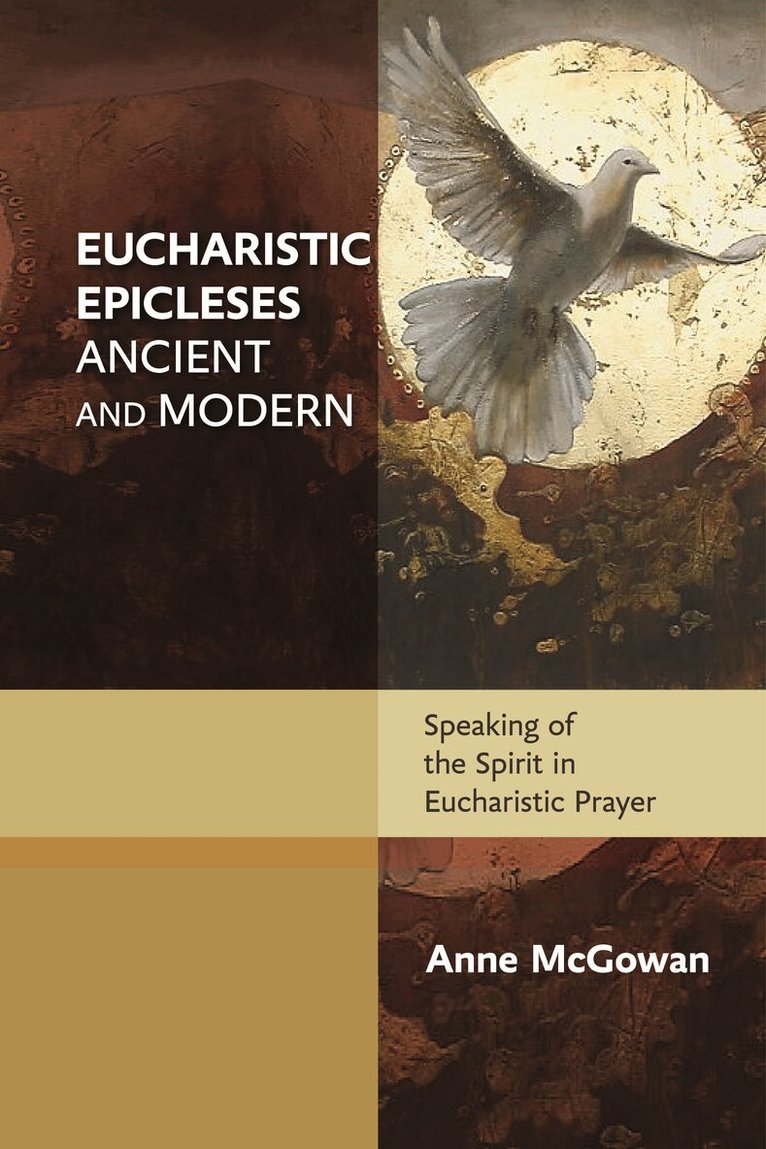
    Eucharistic Epicleses, Ancient and Modern

    Speaking Of The Spirit In Eucharistic Prayers

    AvAnne McGowan

    Häftad, Engelska, 2014

    Del 4 i serien Alcuin Club

    279 kr

    Beställningsvara. Skickas inom 5-8 vardagar. Fri frakt över 249 kr.

    Beskrivning

    This book explores the theological and textual connections among ancient and modern epicleses, primarily through analysis of a selection of epicletic texts in contemporary Western eucharistic prayers and the theological principles that shaped them. Liturgical scholarship on the Spirit's role in early liturgical prayers and texts conducted during the twentieth century contributed to the language and pneumatology of contemporary eucharistic prayers in the Western Christian tradition. More recent considerations of these ancient sources suggest ways to articulate and incorporate a more expansive understanding of the connections between the Holy Spirit and the Eucharist into the euchological repertoire of various ecclesial traditions.

    Produktinformation

    • Utgivningsdatum:2014-05-15
    • Mått:138 x 216 x 19 mm
    • Vikt:394 g
    • Format:Häftad
    • Språk:Engelska
    • Serie:Alcuin Club
    • Antal sidor:256
    • Förlag:SPCK Publishing
    • ISBN:9780281071555

    Utforska kategorier

    • Religion: allmänt inom Filosofi och religion
    • Kristendom inom Filosofi och religion

    Mer om författaren

    Anne McGowan received a Ph.D. in Theology with a concentration in Liturgical Studies from the University of Notre Dame (2011). Her research interests include the textual and dialogical engagement of liturgical matters among various Christian traditions, East and West, ancient and modern. She spent the 2011-2012 academic year as a postdoctoral associate at the Yale Institute of Sacred Music and is currently a postdoctoral teaching scholar at the University of Notre Dame.

    Recensioner i media

    Despite what the back cover suggests about the book reflecting on pneumatologyand issues from justice to interfaith relations, this book actually offers preciselywhat its title promises: a tightly focused study of invocations of the Holy Spiritwithin eucharistic prayers from early Christian communities and from the twentiethcentury. Even if narrower than advertised, however, Anne McGowan’s workaddresses another profound question: she explores the way in which the past influencesthe present, examining the impact research into ancient liturgical texts had onthose who revised eucharistic prayers from the 1960s onwards. So let us forget themarketing copy and evaluate the book for what it is.McGowan herself outlines two goals: the first as mentioned above, and thesecond to propose ways that more recent liturgical research might help the variousChurches ‘to articulate and incorporate a more expansive understanding of theconnection between the Holy Spirit and the Eucharist’ (p. 12). She begins with asurvey of epicleses and related components within ancient eucharistic texts, intertwinedwith the tale of liturgical historians’ evolving understanding of the genealogiesof the prayers. McGowan then presents the history of modern revision, usinginvocations of the Holy Spirit to illuminate the theologies of Western Churchesengaged in worship renewal. The last half of the book compares the multitude ofepicleses in select modern denominational worship books, before concluding with ashort speculative chapter.But while the aims are clear, at times the volume feels like several books in one.The first section is a painstaking comparative textual analysis of epicleses withinrepresentative eucharistic prayer types; the later examination of modern prayersoffers similar detail. Chapters on the history of liturgical scholarship are morenarrative, however, while the studies of modern traditions each end in theologicalcritique. Essentially, the book functions best as a handy reference volume, potentiallyuseful both to those interested in the history of scholarship and to those morespecifically curious about liturgical revision.In this, McGowan underlines areas for further development. For example, in thelast section she observes that, while the twentieth-century prayers feel exceedinglysimilar – thanks to ecumenical cooperation and different revisers finding inspirationin the same ancient sources – a closer investigation demonstrates that differentchurches nonetheless shaped liturgies congruent to their own traditions. Presentingthis diversity as a strength, McGowan suggests that the way forward lies inencouraging variety within each tradition too, thus broadening overall Christianappreciation of the Holy Spirit’s role (pp. 269–70). The embrace of diversity thenturns beyond Western Churches towards Christianities elsewhere.Though McGowan here works exclusively with prayer texts, she acknowledgesthat keeping actual practice outside the work’s scope means she cannot provide acomplete portrayal of the lived understanding of the sacrament (pp. 21, 273). Whilethis decision is comprehensible, given the ease of using official liturgical resourcescompared with the incredible plurality of devotional practice, the neglect of theembodied nature of eucharistic prayer remains a missed chance to put the discussedtexts into stronger context: if the nuances of language demonstrate the differencebetween, say, a Roman Catholic and a Methodist prayer, then pondering particularitiesof practice, even if only generally, would no doubt strengthen McGowan’sargument concerning diversity. Similarly, it would have helped readers if the authorhad explained her selection of modern denominations – as it stands, the choicesseem somewhat random.McGowan sets out to demonstrate a very specific argument and to reflect theologicallyon her observations. The weight of detail unfortunately threatens to overwhelmthe course of that argument, and makes the theological reflection seem almostan afterthought. McGowan does a good job describing how research into ancientliturgy influenced contemporary liturgical composition, but leaves unasked the theologicalquestion of why revisers thought it important to do so. By bringing so manydifferent strands of liturgical study together, from ancient epicleses to the process ofrevision creating modern prayers, however, the book provides a valuable resource.