• Fri frakt över 249 kr
  • •
  • Snabba leveranser
  • •
  • Billiga böcker
Kundservice

Du är på sajten för privatpersoner.

Företag, bibliotek eller offentlig verksamhet?

Du handlar på classic.bokus.com, där alla dina funktioner finns intakta.
Till classic.bokus.com
Bokus logotyp. Gå till startsidan.
  • Erbjudanden
  • Nyheter
  • Student
  • Topplistor
  • Barn & ungdom
  • Bokus Play
  • E-böcker
  • Pocketböcker
  • Spel & pussel

10% rabatt på allt med kod: NYSTART10 →

Sidfot

Mina sidor

    Hjälp

    • Kundservice
    • Vanliga frågor och svar
    • Frakt och leverans
    • Retur vid ångerrätt
    • Reklamera vara
    • Betalning
    • Köpvillkor
    • Allmänna villkor
    • Information om webbplatsens tillgänglighet

    Om Bokus

    • Om oss
    • Pressrum
    • För studenter
    • För företag
    • För bibliotek och offentlig verksamhet
    • För leverantörer
    • Hållbarhet

    Populärt

    • Aktuella erbjudanden
    • Presentkort
    • Studentlitteratur
    • Nya böcker
    • Topplistor
    • Signerade böcker
    • Engelska böcker

    Inspiration

    • Boktips
    • BookTok
    • Populära bokserier
    • Barnbokskaraktärer
    • Populära författare
    Logotyp för Bokus
    Följ oss på Facebook (extern länk)Följ oss på Instagram (extern länk)Följ oss på YouTube (extern länk)Följ oss på TikTok (extern länk)
    bokus @ CookiesAnpassa cookiesIntegritetspolicyKöpvillkor
    Till Citymail hemsida (extern länk)Till Budbee hemsida (extern länk)Till Postnord hemsida (extern länk)Till Schenker hemsida (extern länk)Till Early Bird hemsida (extern länk)Till Walleys hemsida (extern länk)
    1. Historia och arkeologi
    2. Historia
    3. Europas historia

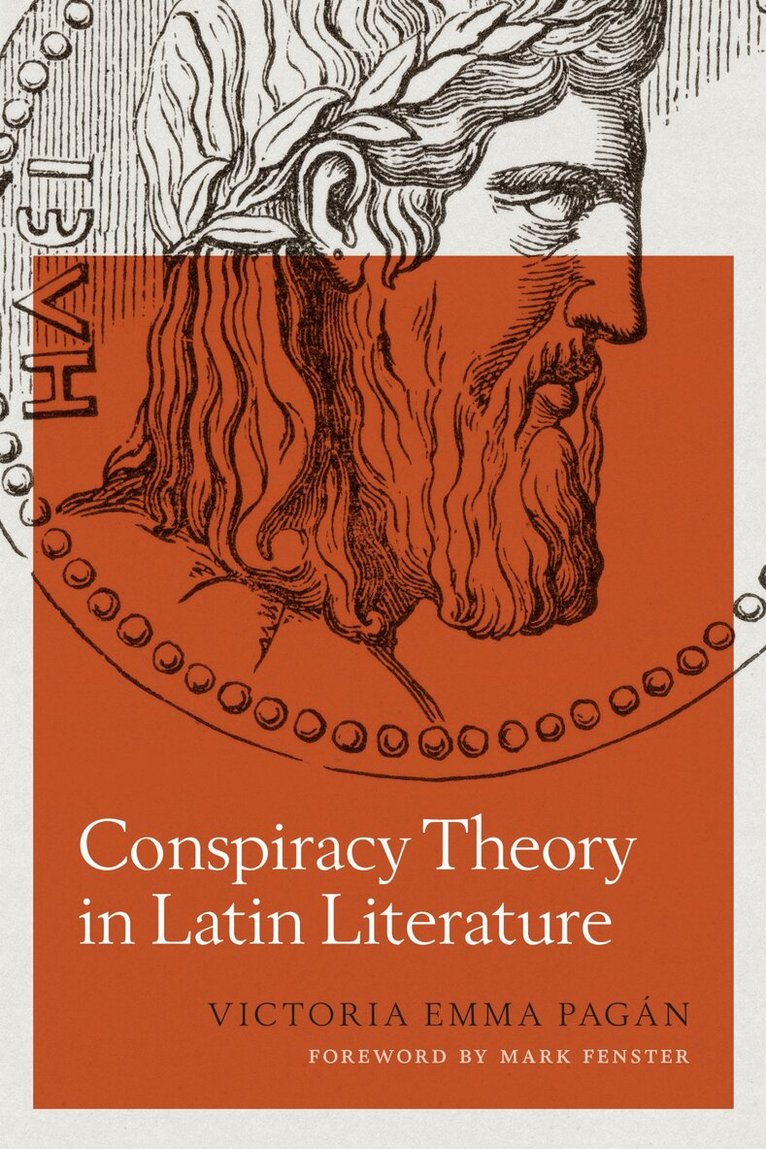
    Conspiracy Narratives in Roman History

    AvVictoria Emma Pagán

    Häftad, Engelska, 2005

    221 kr

    Beställningsvara. Skickas inom 10-15 vardagar. Fri frakt över 249 kr.

    Beskrivning

    Conspiracy is a thread that runs throughout the tapestry of Roman history. From the earliest days of the Republic to the waning of the Empire, conspiracies and intrigues created shadow worlds that undermined the openness of Rome's representational government. To expose these dark corners and restore a sense of order and safety, Roman historians frequently wrote about famous conspiracies and about how their secret plots were detected and the perpetrators punished. These accounts reassured readers that the conspiracy was a rare exception that would not happen again-if everyone remained vigilant.In this first book-length treatment of conspiracy in Roman history, Victoria PagÁn examines the narrative strategies that five prominent historians used to disclose events that had been deliberately shrouded in secrecy and silence. She compares how Sallust, Livy, and Tacitus constructed their accounts of the betrayed Catilinarian, Bacchanalian, and Pisonian conspiracies. Her analysis reveals how a historical account of a secret event depends upon the transmittal of sensitive information from a private setting to the public sphere-and why women and slaves often proved to be ideal transmitters of secrets. PagÁn then turns to Josephus's and Appian's accounts of the assassinations of Caligula and Julius Caesar to explore how the two historians maintained suspense throughout their narratives, despite readers' prior knowledge of the outcomes.

    Produktinformation

    • Utgivningsdatum:2005-01-15
    • Mått:152 x 229 x 13 mm
    • Vikt:454 g
    • Format:Häftad
    • Språk:Engelska
    • Antal sidor:207
    • Förlag:University of Texas Press
    • ISBN:9780292722330

    Utforska kategorier

    • Europas historia inom Historia och arkeologi

    Mer om författaren

    Victoria Emma Pagán is Associate Professor of Classical Studies at the University of Florida.

    Innehållsförteckning

    • AcknowledgmentsIntroductionPart I. Betrayed Conspiracies 1. Sallust: The Catilinarian Conspiracy2. Livy: The Bacchanalian Affair3. Tacitus: The Pisonian ConspiracyPart II. Successful Conspiracies 4. Josephus: The Assassination of Caligula5. Appian: The Assassination of Julius CaesarConclusionAbbreviationsNotesBibliographyIndexIndex Locorum