• Fri frakt över 249 kr
  • •
  • Snabba leveranser
  • •
  • Billiga böcker
Kundservice

Du är på sajten för privatpersoner.

Företag, bibliotek eller offentlig verksamhet?

Du handlar på classic.bokus.com, där alla dina funktioner finns intakta.
Till classic.bokus.com
Bokus logotyp. Gå till startsidan.
  • Erbjudanden
  • Nyheter
  • Student
  • Topplistor
  • Barn & ungdom
  • Bokus Play
  • E-böcker
  • Pocketböcker
  • Spel & pussel

10% rabatt på allt med kod: NYSTART10 →

Sidfot

Mina sidor

    Hjälp

    • Kundservice
    • Vanliga frågor och svar
    • Frakt och leverans
    • Retur vid ångerrätt
    • Reklamera vara
    • Betalning
    • Köpvillkor
    • Allmänna villkor
    • Information om webbplatsens tillgänglighet

    Om Bokus

    • Om oss
    • Pressrum
    • För studenter
    • För företag
    • För bibliotek och offentlig verksamhet
    • För leverantörer
    • Hållbarhet

    Populärt

    • Aktuella erbjudanden
    • Presentkort
    • Studentlitteratur
    • Nya böcker
    • Topplistor
    • Signerade böcker
    • Engelska böcker

    Inspiration

    • Boktips
    • BookTok
    • Populära bokserier
    • Barnbokskaraktärer
    • Populära författare
    Logotyp för Bokus
    Följ oss på Facebook (extern länk)Följ oss på Instagram (extern länk)Följ oss på YouTube (extern länk)Följ oss på TikTok (extern länk)
    bokus @ CookiesAnpassa cookiesIntegritetspolicyKöpvillkor
    Till Citymail hemsida (extern länk)Till Budbee hemsida (extern länk)Till Postnord hemsida (extern länk)Till Schenker hemsida (extern länk)Till Early Bird hemsida (extern länk)Till Walleys hemsida (extern länk)
    1. Kultur
    2. Designböcker
    3. Modedesign och textilformgivning

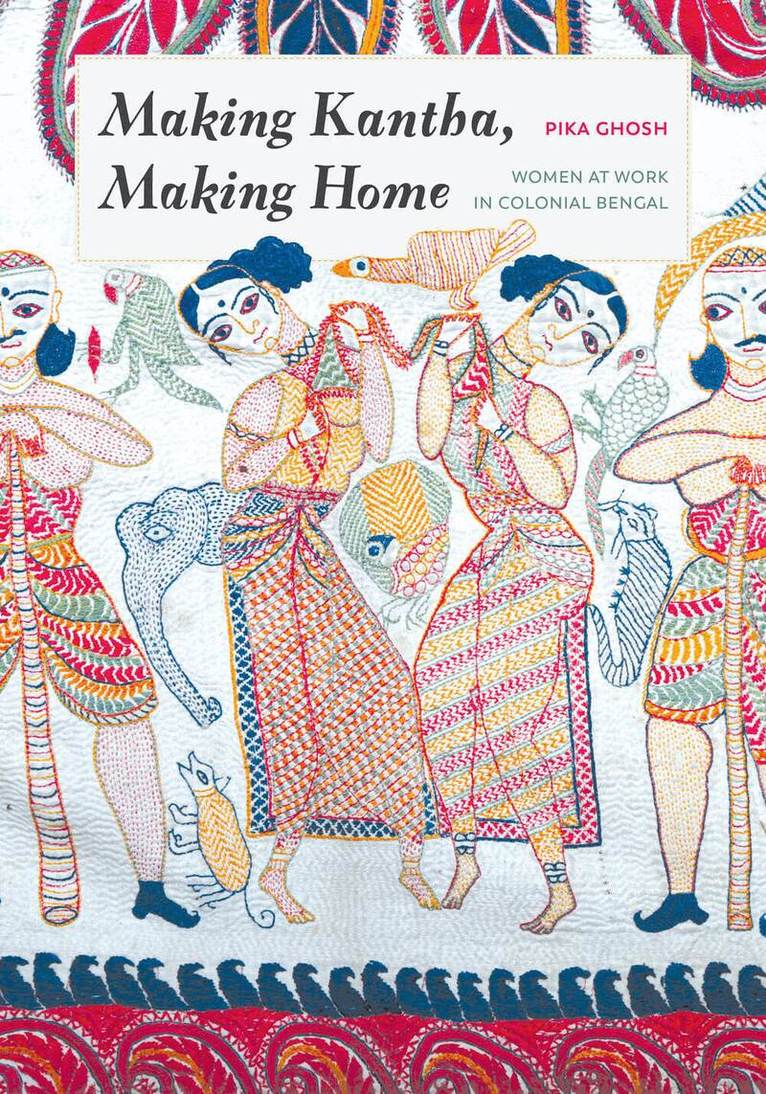
    Making Kantha, Making Home

    Women at Work in Colonial Bengal

    AvPika Ghosh,Padma Kaimal

    Inbunden, Engelska, 2020

    Del i serien Global South Asia

    1 291 kr

    Beställningsvara. Skickas inom 5-8 vardagar. Fri frakt över 249 kr.

    Beskrivning

    In Bengal, mothers swaddle their infants and cover their beds in colorful textiles that are passed down through generations. They create these kantha from layers of soft, recycled fabric strengthened with running stitches and use them as shawls, covers, and seating mats.Making Kantha, Making Home explores the social worlds shaped by the Bengali kantha that survive from the nineteenth and early twentieth centuries. In the first study of colonial-period women’s embroidery that situates these objects historically and socially, Pika Ghosh brings technique and aesthetic choices into discussion with iconography and regional culture.Ghosh uses ethnographic and archival research, inscriptions, and images to locate embroiderers’ work within domestic networks and to show how imagery from poetry, drama, prints, and watercolors expresses kantha artists’ visual literacy. Affinities with older textile practices include the region’s lucrative maritime trade in embroideries with Europe, Africa, and China. This appraisal of individual objects alongside the people and stories behind the objects’ creation elevates kantha beyond consideration as mere handcraft to recognition as art.

    Produktinformation

    • Utgivningsdatum:2020-07-15
    • Mått:183 x 262 x 23 mm
    • Vikt:1 022 g
    • Format:Inbunden
    • Språk:Engelska
    • Serie:Global South Asia
    • Antal sidor:284
    • Förlag:University of Washington Press
    • ISBN:9780295746999

    Utforska kategorier

    • Modedesign och textilformgivning inom Kultur
    • Asiens historia inom Historia och arkeologi
    • Genusvetenskap inom Samhälle och politik

    Mer om författaren

    Pika Ghosh is visiting professor of religion at Haverford College. She is author of Temple to Love: Architecture and Devotion in Seventeenth-Century Bengal, editor of Fashioning the Divine: South Asian Sculpture at the Ackland Art Museum, and coauthor of Cooking for the Gods: The Art of Home Ritual in Bengal.

    Recensioner i media

    "Ghosh’s monograph elevates kantha as a living tradition that enables women to express their own agency. Her treatise deliberately deviates from the 19th century intellectual engagement with kantha by art curators by going beyond the surface-level of the kantha as a decorative piece of cloth and speculates the intentions of the women behind these handiworks."