• Fri frakt över 249 kr
  • •
  • Snabba leveranser
  • •
  • Billiga böcker
Kundservice

Du är på sajten för privatpersoner.

Företag, bibliotek eller offentlig verksamhet?

Du handlar på classic.bokus.com, där alla dina funktioner finns intakta.
Till classic.bokus.com
Bokus logotyp. Gå till startsidan.
  • Erbjudanden
  • Student
  • Topplistor
  • Barn & ungdom
  • Bokus Play
  • E-böcker
  • Ljudböcker
  • Pocketböcker
  • Spel & pussel

10% rabatt på allt med kod NYSTART10 →

Sidfot

Mina sidor

    Hjälp

    • Kundservice
    • Vanliga frågor och svar
    • Frakt och leverans
    • Retur vid ångerrätt
    • Reklamera vara
    • Betalning
    • Köpvillkor
    • Allmänna villkor
    • Information om webbplatsens tillgänglighet

    Om Bokus

    • Om oss
    • Pressrum
    • För studenter
    • För företag
    • För bibliotek och offentlig verksamhet
    • För leverantörer
    • Hållbarhet

    Populärt

    • Aktuella erbjudanden
    • Presentkort
    • Studentlitteratur
    • Nya böcker
    • Topplistor
    • Signerade böcker
    • Engelska böcker

    Inspiration

    • Boktips
    • BookTok
    • Populära bokserier
    • Barnbokskaraktärer
    • Populära författare
    Logotyp för Bokus
    Följ oss på Facebook (extern länk)Följ oss på Instagram (extern länk)Följ oss på YouTube (extern länk)Följ oss på TikTok (extern länk)
    bokus @ CookiesAnpassa cookiesIntegritetspolicyKöpvillkor
    Till Citymail hemsida (extern länk)Till Budbee hemsida (extern länk)Till Postnord hemsida (extern länk)Till Schenker hemsida (extern länk)Till Early Bird hemsida (extern länk)Till Walleys hemsida (extern länk)
    1. Naturvetenskap och teknik
    2. Geovetenskap
    3. Miljövetenskap och miljöpolitik

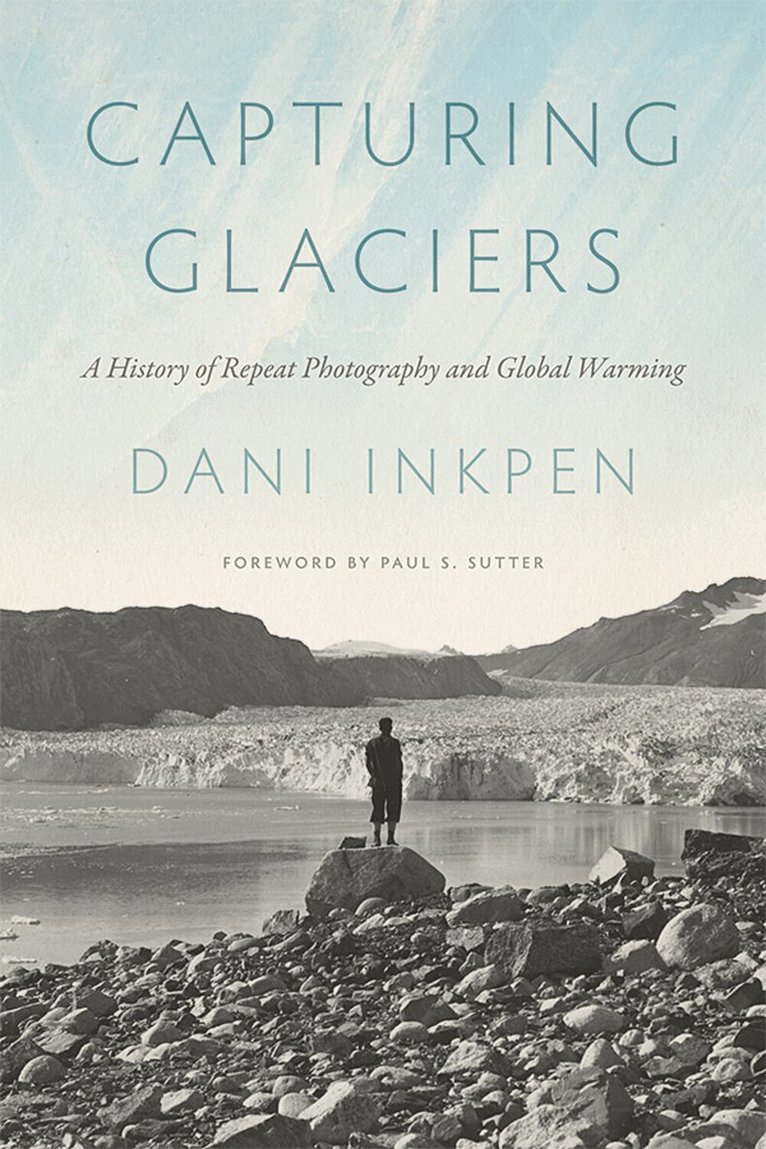
    Capturing Glaciers

    A History of Repeat Photography and Global Warming

    AvDani Inkpen,Paul S. Sutter

    Häftad, Engelska, 2024

    Del i serien Weyerhaeuser Environmental Books

    461 kr

    Beställningsvara. Skickas inom 5-8 vardagar. Fri frakt över 249 kr.

    Fler format och utgåvor

    Inbunden

    1 747 kr

    Beskrivning

    Explores the photography of climate changePhotographs do not simply speak for themselves. Their meanings are built through interpretive frameworks that shift over time. Today, photographs of receding glaciers are one of the most well recognized visualizations of human-caused climate change. These images, captured through repeat photography, have become effective with an unambiguous message: global warming is happening, and it is happening now. But this wasn't always the case. The meaning and evidentiary value of repeat glacier photography has varied over time, reflecting not only evolving scientific norms but also social, cultural, and political influences.In Capturing Glaciers, Dani Inkpen historicizes the use of repeat glacier photographs, examining what they show, what they obscure, and how they influence public understanding of nature and climate change. Though convincing as a form of evidence, these images offer a limited and sometimes misleading representation of glaciers themselves. Furthermore, their use threatens to replicate problematic ideas baked into their history. With clear and compelling writing, Capturing Glaciers ultimately calls for a centering of climate justice and warns of the consequences of reducing the problem of global warming to one of distant wilderness.

    Produktinformation

    • Utgivningsdatum:2024-01-09
    • Mått:152 x 229 x 19 mm
    • Vikt:386 g
    • Format:Häftad
    • Språk:Engelska
    • Serie:Weyerhaeuser Environmental Books
    • Antal sidor:270
    • Förlag:University of Washington Press
    • Medarbetare:PaulS. Sutter
    • ISBN:9780295752020

    Utforska kategorier

    • Miljövetenskap och miljöpolitik inom Naturvetenskap och teknik
    • Fotoböcker inom Kultur
    • Geografi inom Naturvetenskap och teknik

    Mer om författaren

    Dani Inkpen is assistant professor of history at Mount Allison University.

    Recensioner i media

    "[A] nuanced history of glaciology in North America more generally as well as a history of visualization and of the changing nature of scientific evidence. . . . Environmental historians should read it because it is good history of science. Historians of science should read it as an example of how they can add to environmental history."