• Fri frakt över 249 kr
  • •
  • Snabba leveranser
  • •
  • Billiga böcker
Kundservice

Du är på sajten för privatpersoner.

Företag, bibliotek eller offentlig verksamhet?

Du handlar på classic.bokus.com, där alla dina funktioner finns intakta.
Till classic.bokus.com
Bokus logotyp. Gå till startsidan.
  • Erbjudanden
  • Nyheter
  • Student
  • Topplistor
  • Barn & ungdom
  • Bokus Play
  • E-böcker
  • Pocketböcker
  • Spel & pussel

10% rabatt på allt med kod: NYSTART10 →

Sidfot

Mina sidor

    Hjälp

    • Kundservice
    • Vanliga frågor och svar
    • Frakt och leverans
    • Retur vid ångerrätt
    • Reklamera vara
    • Betalning
    • Köpvillkor
    • Allmänna villkor
    • Information om webbplatsens tillgänglighet

    Om Bokus

    • Om oss
    • Pressrum
    • För studenter
    • För företag
    • För bibliotek och offentlig verksamhet
    • För leverantörer
    • Hållbarhet

    Populärt

    • Aktuella erbjudanden
    • Presentkort
    • Studentlitteratur
    • Nya böcker
    • Topplistor
    • Signerade böcker
    • Engelska böcker

    Inspiration

    • Boktips
    • BookTok
    • Populära bokserier
    • Barnbokskaraktärer
    • Populära författare
    Logotyp för Bokus
    Följ oss på Facebook (extern länk)Följ oss på Instagram (extern länk)Följ oss på YouTube (extern länk)Följ oss på TikTok (extern länk)
    bokus @ CookiesAnpassa cookiesIntegritetspolicyKöpvillkor
    Till Citymail hemsida (extern länk)Till Budbee hemsida (extern länk)Till Postnord hemsida (extern länk)Till Schenker hemsida (extern länk)Till Early Bird hemsida (extern länk)Till Walleys hemsida (extern länk)
    1. Samhälle och politik
    2. Sociologi och antropologi
    3. Antropologi

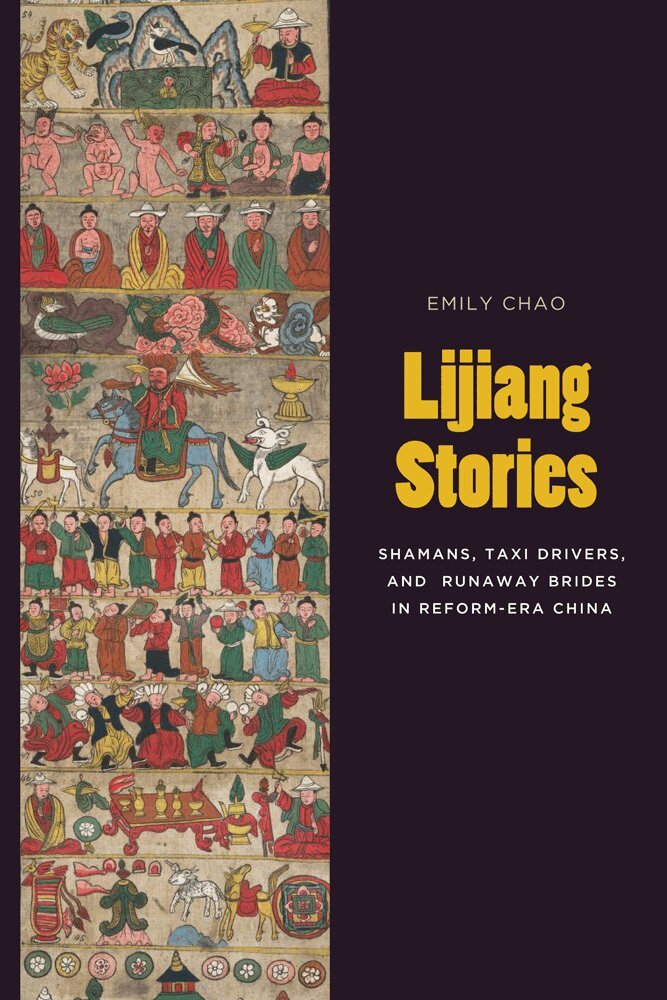
    Lijiang Stories

    Shamans, Taxi Drivers, and Runaway Brides in Reform-Era China

    AvEmily Chao

    Inbunden, Engelska, 2013

    Del i serien Studies on Ethnic Groups in China

    1 697 kr

    Beställningsvara. Skickas inom 3-6 vardagar. Fri frakt över 249 kr.

    Fler format och utgåvor

    E-bok

    587 kr

    Häftad

    522 kr

    Beskrivning

    Lijiang, a once-sleepy market town in southwest China, has become a magnet for tourism since the mid-1990s. Drawing on stories about taxi drivers, reluctant brides, dogmeat, and shamanism, Emily Chao illustrates how biopolitics and the essentialization of difference shape the ways in which Naxi residents represent and interpret their social world.The vignettes presented here are lively examples of the cultural reverberations that have occurred throughout contemporary China in the wake of its emergence as a global giant. With particular attention to the politics of gender, ethnicity, and historical representation, Chao reveals how citizens strategically imagine, produce, and critique a new moral economy in which the market and neoliberal logic are preeminent.

    Produktinformation

    • Utgivningsdatum:2013-05-15
    • Mått:152 x 229 x undefined mm
    • Vikt:522 g
    • Format:Inbunden
    • Språk:Engelska
    • Serie:Studies on Ethnic Groups in China
    • Antal sidor:232
    • Förlag:University of Washington Press
    • Medarbetare:Stevan Harrell
    • ISBN:9780295992228

    Utforska kategorier

    • Antropologi inom Samhälle och politik
    • Referensverk och tvärvetenskap inom Samhälle och politik

    Mer om författaren

    Emily Chao is professor of anthropology at Pitzer College, Claremont, California.

    Recensioner i media

    "Lijiang Stories is much more than a set of stories. It is a careful exegesis of the many strands that, woven together, have become today’s Lijiang. The accessible prose and fascinating range of skillfully analyzed, ethnographically nuanced “stories would make this an excellent text for courses on contemporary China."

    Innehållsförteckning

    • Foreword by Stevan HarrellAcknowledgmentsIntroduction1. The Maoist Shaman and the Madman2. Dongba Culture and the Authenticization of Marginality3. Ethnicizing Myth, Bride Abduction, and Elopement4. Biopolitics: Fox Stench, Gender Boundaries, and the Moral Economy of Postsocialism5. Marketing Difference: Dog Meat, Court Cases, and EthnopreneursConclusion | Forgetting the Madman and Remembering the Ancient Tea Horse RoadNotesReferencesIndex