
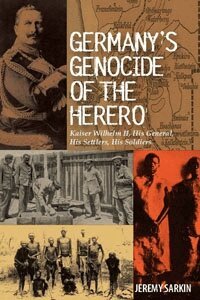
Colonial Genocide and Reparations Claims in the 21st Century
The Socio-Legal Context of Claims Under International Law by the Herero Against Germany for Genocide in Namibia, 1904-1908
1 038 kr
Läs direkt i Bokus Reader – eller ladda ned till din enhet (PDF kräver ofta zoom och scroll på små skärmar).
Beskrivning
More and more, the descendants of indigenous victims of genocide, land expropriation, forced labor, and other systematic human rights violations committed by colonial powers are seeking reparations under international law from the modern successor governments and corporations. As the number of colonial reparations cases increases, courts around the world are being asked to apply international law to determine whether reparations are due for atrocities and crimes that might have been committed long ago but whose lasting effects are alleged to injure the modern descendants of the victims. Sarkin analyzes the thorny issues of international law raised in such suits by focusing on groundbreaking cases in which he is involved as legal advisor to the paramount chief of the Herero people of Namibia. In 2001, the Herero became the first ethnic group to seek reparations under the legal definition of genocide by bringing multi-billion-dollar suits against Germany and German companies in a number of U.S. federal courts under the Alien Torts Claim Act of 1789.
The Herero genocide, conducted in German South-West Africa (present-day Namibia) between 1904 and 1908, is recognized by the UN as the first organized state genocide in world history. Although the Herero were subjected to Germany's First Genocide, they have, unlike the victims of the Holocaust, received no reparations from Germany. By machine-gun massacres, starvation, poisoning, and forced labor in Germany's first concentration camps, the German Schutztruppe systematically exterminated as many as 105,000 Herero women, and children, composing most of the Herero population. Sarkin considers whether these historical events constitute legally defined genocide, crimes against humanity, and other international crimes. He evaluates the legal status of indigenous polities in Africa at the time and he explores the enduring impact in Namibia of the Germany's colonial campaign of genocide. He extrapolates the Herero case to global issues of reparations, apologies, and historical human rights violations, especially in Africa.
The Herero genocide, conducted in German South-West Africa (present-day Namibia) between 1904 and 1908, is recognized by the UN as the first organized state genocide in world history. Although the Herero were subjected to Germany's First Genocide, they have, unlike the victims of the Holocaust, received no reparations from Germany. By machine-gun massacres, starvation, poisoning, and forced labor in Germany's first concentration camps, the German Schutztruppe systematically exterminated as many as 105,000 Herero women, and children, composing most of the Herero population. Sarkin considers whether these historical events constitute legally defined genocide, crimes against humanity, and other international crimes. He evaluates the legal status of indigenous polities in Africa at the time and he explores the enduring impact in Namibia of the Germany's colonial campaign of genocide. He extrapolates the Herero case to global issues of reparations, apologies, and historical human rights violations, especially in Africa.
Produktinformation
Utforska kategorier
Hoppa över listan

Mer från samma författare
Del 24
Del 26
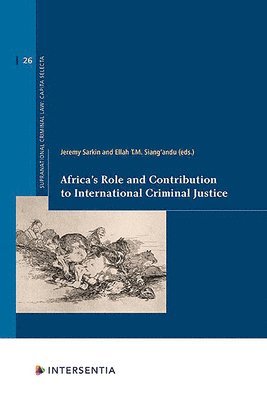
Africa's Role and Contribution to International Criminal Justice
Jeremy Sarkin, Ellah Siang'andu
Häftad, 2020
1 040 kr

Hoppa över listan
Du kanske också är intresserad av
Del 24
Del 26
Africa's Role and Contribution to International Criminal Justice
Jeremy Sarkin, Ellah Siang'andu
Häftad, 2020
1 040 kr