
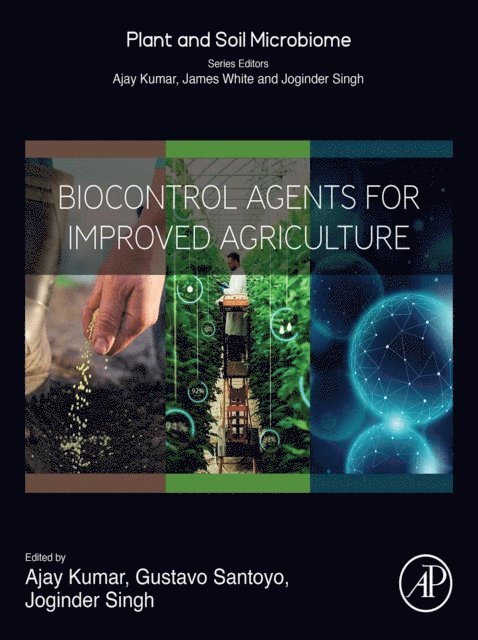
Biocontrol Agents for Improved Agriculture
Ajay Kumar, Muhammad Bilal, Gustavo Santoyo, Joginder Singh Panwar
Häftad, 2024
1 938 kr
2 079 kr
Beställningsvara. Skickas inom 10-15 vardagar. Fri frakt över 249 kr.
The microbial ecosystem provides an indigenous system for improving plant growth, health and stress resilience. Plant microbiota, including isolated microbial communities, have been studied to further understand the functional capacities, ecological structure and dynamics of the plant-microbe interaction. Due to climatic changes, there is an urgent need to bring microbial innovations into practice.
Mitigation of Plant Abiotic Stress by Microorganisms: Applicability and Future Directions is a comprehensive review of the different strategies available to improve the plant microbiome. Chapters include key topics such as: harnessing endophytic microbial diversity, microbial genes for improving abiotic stress tolerance, and microbial bioformulations. Putting these strategies into practice can have varying success in the field, so it is crucial that scientists are equipped with the knowledge of which microorganisms are needed, as well as the use and suitability of delivery approaches and formulations.
This title will be an essential read for researchers and students interested in plant microbial technologies and plant bio stimulants, plant pathology, biocontrol, agronomy, and environmental mediation.
Ajay Kumar, Muhammad Bilal, Gustavo Santoyo, Joginder Singh Panwar
Häftad, 2024
1 938 kr
Joginder Singh Panwar, Gustavo Santoyo, Muhammad Bilal, Ajay Kumar
2 752 kr
Babalola,Olubukola Olurant, Olubukola Oluranti Babalola, Joginder Singh Panwar, Gustavo Santoyo, Ajay Kumar
Häftad, 2025
2 038 kr
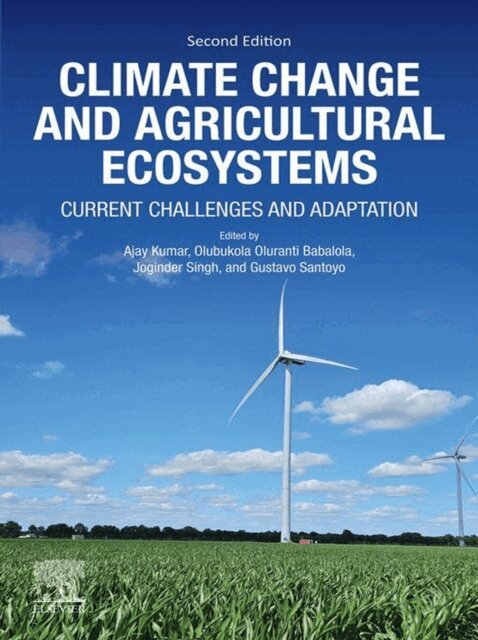
Ajay Kumar, Gustavo Santoyo, Joginder Singh Panwar, Olubukola Oluranti Babalola
2 599 kr
Chandra Rai,Avinas, Avinash Chandra Rai, Ved Prakash Rai, Ajay Kumar, Gustavo Santoyo, Lucas Carvalho Basilio de Azevedo
Häftad, 2025
1 970 kr
Lucas Carvalho Basilio de Azevedo, Gustavo Santoyo, Ajay Kumar, Ved Prakash Rai, Avinash Chandra Rai
2 519 kr
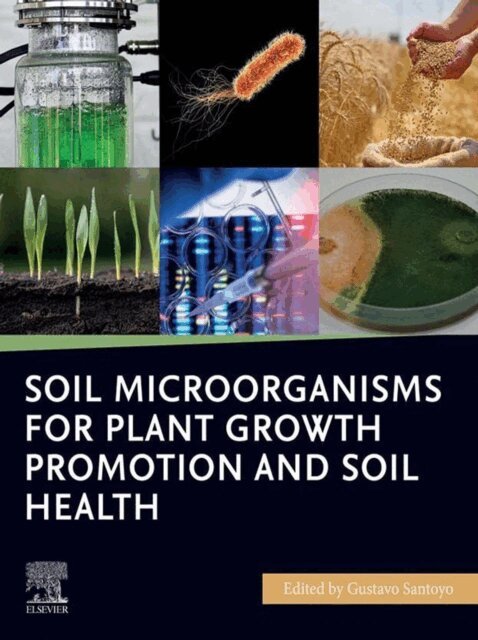
Geerten W. Vuister, Ajay Kumar, Navaneet Chaturvedi, Gustavo Santoyo
Häftad, 2026
1 991 kr
Gustavo Santoyo, Navaneet Chaturvedi, Ajay Kumar, Geerten W. Vuister
2 519 kr

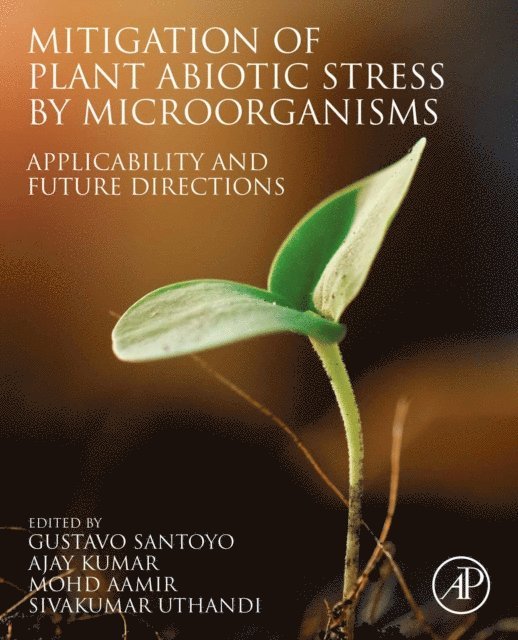
Sivakumar Uthandi, Mohd Aamir, Ajay Kumar, Gustavo Santoyo
2 960 kr
Ajay Kumar, Muhammad Bilal, Gustavo Santoyo, Joginder Singh Panwar
Häftad, 2024
1 938 kr
Chandra Rai,Avinas, Avinash Chandra Rai, Ved Prakash Rai, Ajay Kumar, Gustavo Santoyo, Lucas Carvalho Basilio de Azevedo
Häftad, 2025
1 970 kr

Sivakumar Uthandi, Peiyue Li, Vetrimurugan Elumalai, Thomas B. Boving
Häftad, 2026
1 639 kr
Ajay Kumar, Gustavo Santoyo, Joginder Singh Panwar, Olubukola Oluranti Babalola
2 599 kr
Joginder Singh Panwar, Gustavo Santoyo, Muhammad Bilal, Ajay Kumar
2 752 kr
Lucas Carvalho Basilio de Azevedo, Gustavo Santoyo, Ajay Kumar, Ved Prakash Rai, Avinash Chandra Rai
2 519 kr
Geerten W. Vuister, Ajay Kumar, Navaneet Chaturvedi, Gustavo Santoyo
Häftad, 2026
1 991 kr
Babalola,Olubukola Olurant, Olubukola Oluranti Babalola, Joginder Singh Panwar, Gustavo Santoyo, Ajay Kumar
Häftad, 2025
2 038 kr
2 079 kr
Beställningsvara. Skickas inom 10-15 vardagar. Fri frakt över 249 kr.
The microbial ecosystem provides an indigenous system for improving plant growth, health and stress resilience. Plant microbiota, including isolated microbial communities, have been studied to further understand the functional capacities, ecological structure and dynamics of the plant-microbe interaction. Due to climatic changes, there is an urgent need to bring microbial innovations into practice.
Mitigation of Plant Abiotic Stress by Microorganisms: Applicability and Future Directions is a comprehensive review of the different strategies available to improve the plant microbiome. Chapters include key topics such as: harnessing endophytic microbial diversity, microbial genes for improving abiotic stress tolerance, and microbial bioformulations. Putting these strategies into practice can have varying success in the field, so it is crucial that scientists are equipped with the knowledge of which microorganisms are needed, as well as the use and suitability of delivery approaches and formulations.
This title will be an essential read for researchers and students interested in plant microbial technologies and plant bio stimulants, plant pathology, biocontrol, agronomy, and environmental mediation.
Ajay Kumar, Muhammad Bilal, Gustavo Santoyo, Joginder Singh Panwar
Häftad, 2024
1 938 kr
Joginder Singh Panwar, Gustavo Santoyo, Muhammad Bilal, Ajay Kumar
2 752 kr
Babalola,Olubukola Olurant, Olubukola Oluranti Babalola, Joginder Singh Panwar, Gustavo Santoyo, Ajay Kumar
Häftad, 2025
2 038 kr
Ajay Kumar, Gustavo Santoyo, Joginder Singh Panwar, Olubukola Oluranti Babalola
2 599 kr
Chandra Rai,Avinas, Avinash Chandra Rai, Ved Prakash Rai, Ajay Kumar, Gustavo Santoyo, Lucas Carvalho Basilio de Azevedo
Häftad, 2025
1 970 kr
Lucas Carvalho Basilio de Azevedo, Gustavo Santoyo, Ajay Kumar, Ved Prakash Rai, Avinash Chandra Rai
2 519 kr
Geerten W. Vuister, Ajay Kumar, Navaneet Chaturvedi, Gustavo Santoyo
Häftad, 2026
1 991 kr
Gustavo Santoyo, Navaneet Chaturvedi, Ajay Kumar, Geerten W. Vuister
2 519 kr
Sivakumar Uthandi, Mohd Aamir, Ajay Kumar, Gustavo Santoyo
2 960 kr
Ajay Kumar, Muhammad Bilal, Gustavo Santoyo, Joginder Singh Panwar
Häftad, 2024
1 938 kr
Chandra Rai,Avinas, Avinash Chandra Rai, Ved Prakash Rai, Ajay Kumar, Gustavo Santoyo, Lucas Carvalho Basilio de Azevedo
Häftad, 2025
1 970 kr
Sivakumar Uthandi, Peiyue Li, Vetrimurugan Elumalai, Thomas B. Boving
Häftad, 2026
1 639 kr
Ajay Kumar, Gustavo Santoyo, Joginder Singh Panwar, Olubukola Oluranti Babalola
2 599 kr
Joginder Singh Panwar, Gustavo Santoyo, Muhammad Bilal, Ajay Kumar
2 752 kr
Lucas Carvalho Basilio de Azevedo, Gustavo Santoyo, Ajay Kumar, Ved Prakash Rai, Avinash Chandra Rai
2 519 kr
Geerten W. Vuister, Ajay Kumar, Navaneet Chaturvedi, Gustavo Santoyo
Häftad, 2026
1 991 kr
Babalola,Olubukola Olurant, Olubukola Oluranti Babalola, Joginder Singh Panwar, Gustavo Santoyo, Ajay Kumar
Häftad, 2025
2 038 kr
2 079 kr
Beställningsvara. Skickas inom 10-15 vardagar. Fri frakt över 249 kr.
The microbial ecosystem provides an indigenous system for improving plant growth, health and stress resilience. Plant microbiota, including isolated microbial communities, have been studied to further understand the functional capacities, ecological structure and dynamics of the plant-microbe interaction. Due to climatic changes, there is an urgent need to bring microbial innovations into practice.
Mitigation of Plant Abiotic Stress by Microorganisms: Applicability and Future Directions is a comprehensive review of the different strategies available to improve the plant microbiome. Chapters include key topics such as: harnessing endophytic microbial diversity, microbial genes for improving abiotic stress tolerance, and microbial bioformulations. Putting these strategies into practice can have varying success in the field, so it is crucial that scientists are equipped with the knowledge of which microorganisms are needed, as well as the use and suitability of delivery approaches and formulations.
This title will be an essential read for researchers and students interested in plant microbial technologies and plant bio stimulants, plant pathology, biocontrol, agronomy, and environmental mediation.
Ajay Kumar, Muhammad Bilal, Gustavo Santoyo, Joginder Singh Panwar
Häftad, 2024
1 938 kr
Joginder Singh Panwar, Gustavo Santoyo, Muhammad Bilal, Ajay Kumar
2 752 kr
Babalola,Olubukola Olurant, Olubukola Oluranti Babalola, Joginder Singh Panwar, Gustavo Santoyo, Ajay Kumar
Häftad, 2025
2 038 kr
Ajay Kumar, Gustavo Santoyo, Joginder Singh Panwar, Olubukola Oluranti Babalola
2 599 kr
Chandra Rai,Avinas, Avinash Chandra Rai, Ved Prakash Rai, Ajay Kumar, Gustavo Santoyo, Lucas Carvalho Basilio de Azevedo
Häftad, 2025
1 970 kr
Lucas Carvalho Basilio de Azevedo, Gustavo Santoyo, Ajay Kumar, Ved Prakash Rai, Avinash Chandra Rai
2 519 kr
Geerten W. Vuister, Ajay Kumar, Navaneet Chaturvedi, Gustavo Santoyo
Häftad, 2026
1 991 kr
Gustavo Santoyo, Navaneet Chaturvedi, Ajay Kumar, Geerten W. Vuister
2 519 kr
Sivakumar Uthandi, Mohd Aamir, Ajay Kumar, Gustavo Santoyo
2 960 kr
Ajay Kumar, Muhammad Bilal, Gustavo Santoyo, Joginder Singh Panwar
Häftad, 2024
1 938 kr
Chandra Rai,Avinas, Avinash Chandra Rai, Ved Prakash Rai, Ajay Kumar, Gustavo Santoyo, Lucas Carvalho Basilio de Azevedo
Häftad, 2025
1 970 kr
Sivakumar Uthandi, Peiyue Li, Vetrimurugan Elumalai, Thomas B. Boving
Häftad, 2026
1 639 kr
Ajay Kumar, Gustavo Santoyo, Joginder Singh Panwar, Olubukola Oluranti Babalola
2 599 kr
Joginder Singh Panwar, Gustavo Santoyo, Muhammad Bilal, Ajay Kumar
2 752 kr
Lucas Carvalho Basilio de Azevedo, Gustavo Santoyo, Ajay Kumar, Ved Prakash Rai, Avinash Chandra Rai
2 519 kr
Geerten W. Vuister, Ajay Kumar, Navaneet Chaturvedi, Gustavo Santoyo
Häftad, 2026
1 991 kr
Babalola,Olubukola Olurant, Olubukola Oluranti Babalola, Joginder Singh Panwar, Gustavo Santoyo, Ajay Kumar
Häftad, 2025
2 038 kr