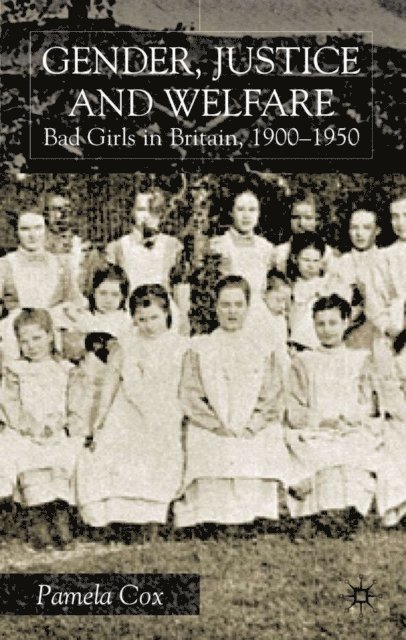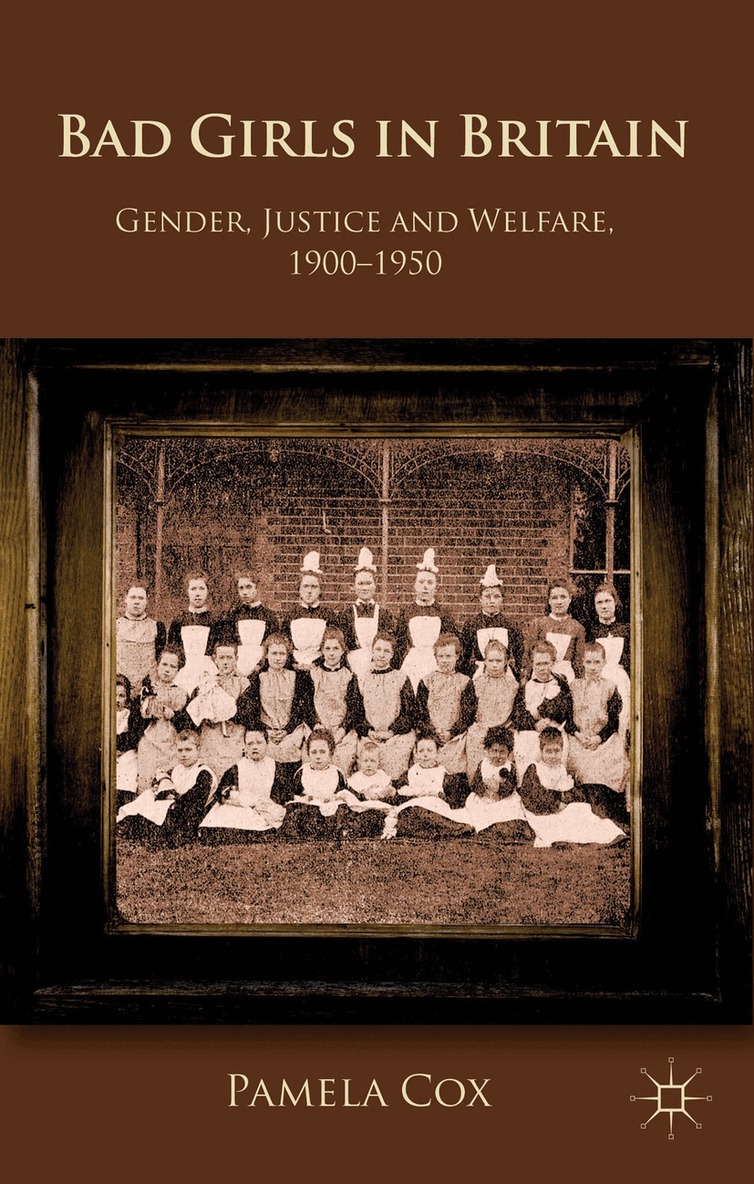
Gender,Justice and Welfare in Britain,1900-1950
Bad Girls in Britain, 1900-1950
AvP. Cox
1 104 kr
Beställningsvara. Skickas inom 10-15 vardagar. Fri frakt över 249 kr.
Du är på sajten för privatpersoner.
AvP. Cox
1 104 kr
Beställningsvara. Skickas inom 10-15 vardagar. Fri frakt över 249 kr.
PAMELA COX (BA, Ph.D. Cambridge) has worked as a Lecturer in the Department of Sociology at the University of Essex since 1997. Prior to that she taught History at Essex and at University College Chichester. She specialises in the history of criminal justice, public policies and gender relations. Her other publications include Becoming Delinquent: British and European Youth, 1650-1950 (Ashgate 2002), co-edited with Heather Shore, and Crime in Modern Britain (OUP 2002), co-authored with colleagues from Essex. AE(00): Consultant Editor: JO CAMPLING
A significant and welcome study...with much to offer the cultural and social historian, the historian of gender, of women and of criminal justice and welfare.' - Shani D'Cruze, Cultural and Social History 'Concentrating on girls, Cox maps out and explains how they came to be defined as 'problems' and how they were subsequently treated in the child welfare system. Based on a thoughtful and critical assessment of a wealth of sources including government reports, administrative records, case files, letters, autobiographies and contemporary academic studies, Cox establishes that a consideration of gender is essential to understanding the workings of juvenile justice.' - Journal of Social History
Du är på sajten för privatpersoner.
AvP. Cox
1 104 kr
Beställningsvara. Skickas inom 10-15 vardagar. Fri frakt över 249 kr.
PAMELA COX (BA, Ph.D. Cambridge) has worked as a Lecturer in the Department of Sociology at the University of Essex since 1997. Prior to that she taught History at Essex and at University College Chichester. She specialises in the history of criminal justice, public policies and gender relations. Her other publications include Becoming Delinquent: British and European Youth, 1650-1950 (Ashgate 2002), co-edited with Heather Shore, and Crime in Modern Britain (OUP 2002), co-authored with colleagues from Essex. AE(00): Consultant Editor: JO CAMPLING
A significant and welcome study...with much to offer the cultural and social historian, the historian of gender, of women and of criminal justice and welfare.' - Shani D'Cruze, Cultural and Social History 'Concentrating on girls, Cox maps out and explains how they came to be defined as 'problems' and how they were subsequently treated in the child welfare system. Based on a thoughtful and critical assessment of a wealth of sources including government reports, administrative records, case files, letters, autobiographies and contemporary academic studies, Cox establishes that a consideration of gender is essential to understanding the workings of juvenile justice.' - Journal of Social History
Du är på sajten för privatpersoner.
AvP. Cox
1 104 kr
Beställningsvara. Skickas inom 10-15 vardagar. Fri frakt över 249 kr.
PAMELA COX (BA, Ph.D. Cambridge) has worked as a Lecturer in the Department of Sociology at the University of Essex since 1997. Prior to that she taught History at Essex and at University College Chichester. She specialises in the history of criminal justice, public policies and gender relations. Her other publications include Becoming Delinquent: British and European Youth, 1650-1950 (Ashgate 2002), co-edited with Heather Shore, and Crime in Modern Britain (OUP 2002), co-authored with colleagues from Essex. AE(00): Consultant Editor: JO CAMPLING
A significant and welcome study...with much to offer the cultural and social historian, the historian of gender, of women and of criminal justice and welfare.' - Shani D'Cruze, Cultural and Social History 'Concentrating on girls, Cox maps out and explains how they came to be defined as 'problems' and how they were subsequently treated in the child welfare system. Based on a thoughtful and critical assessment of a wealth of sources including government reports, administrative records, case files, letters, autobiographies and contemporary academic studies, Cox establishes that a consideration of gender is essential to understanding the workings of juvenile justice.' - Journal of Social History