
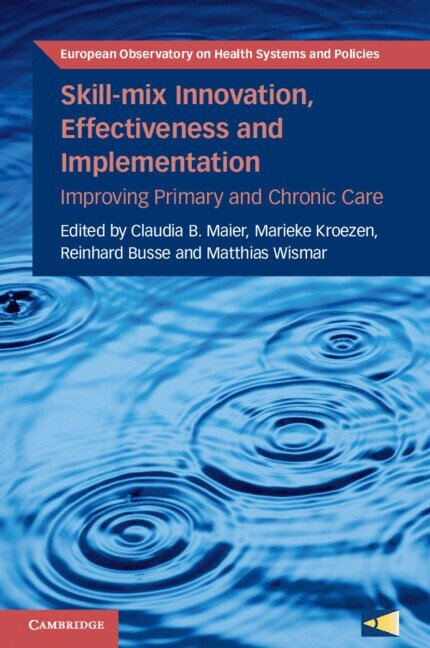
Skill-mix Innovation, Effectiveness and Implementation
Claudia B. Maier, Marieke Kroezen, Reinhard Busse, Matthias Wismar
Häftad, 2022
606 kr
AvReinhard Busse,Alexander Geissler
461 kr
Beställningsvara. Skickas inom 3-6 vardagar. Fri frakt över 249 kr.
Written by authors with extensive experience of these systems, this book is a product of the EuroDRG project and constitutes an important resource for health policy-makers and researchers from Europe and beyond. The book is intended to contribute to the emergence of a ‘common language’ that will facilitate communication between researchers and policy-makers interested in improving the functioning and resourcing of the acute hospital sector. The book includes:
Claudia B. Maier, Marieke Kroezen, Reinhard Busse, Matthias Wismar
Häftad, 2022
606 kr
Matthias Wismar, Reinhard Busse, Marieke Kroezen, Claudia B. Maier
592 kr
Matthias Wismar, Reinhard Busse, Marieke Kroezen, Claudia B. Maier
585 kr
Adrian Levy, Sarah Goring, Constantine Gatsonis, Boris Sobolev, Ewout van Ginneken, Reinhard Busse
Inbunden, 2019
9 048 kr
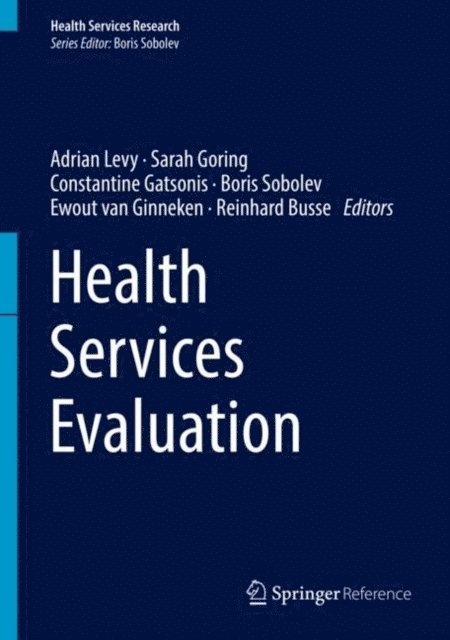
Reinhard Busse, Ewout van Ginneken, Boris Sobolev, Constantine Gatsonis, Sarah Goring, Adrian Levy
11 493 kr
Friedrich Wilhelm Schwartz, Ulla Walter, Johannes Siegrist, Petra Kolip, Reiner Leidl, Reinhard Busse, Volker Amelung, Marie-Luise Dierks
Inbunden, 2022
1 331 kr
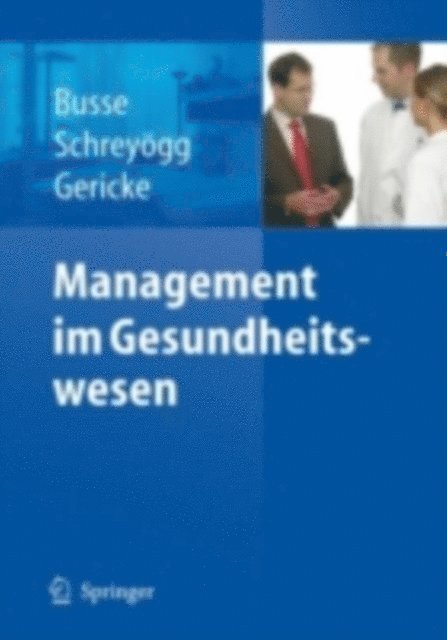
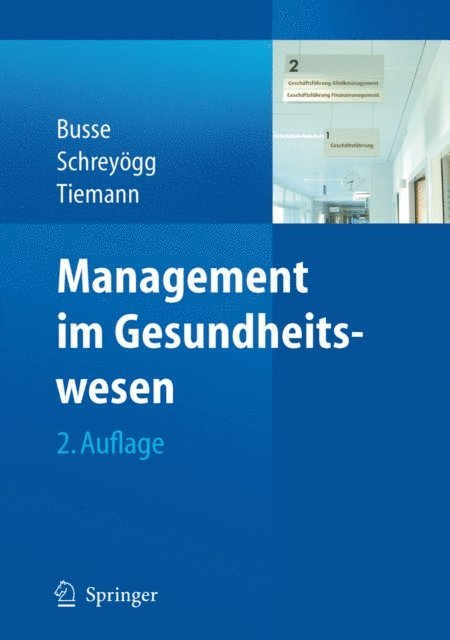
Oliver Tiemann, Jonas Alexander Schreyogg, Reinhard Busse
638 kr
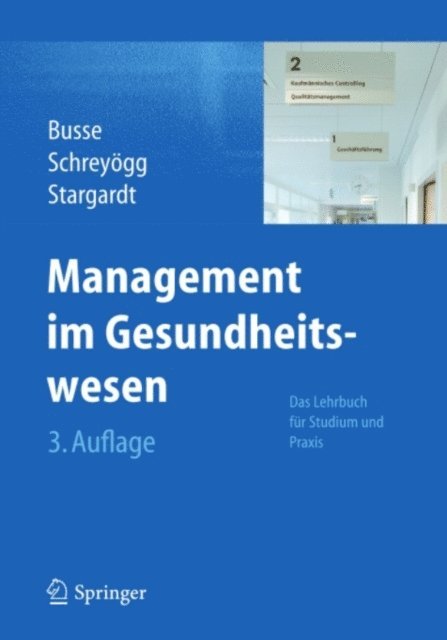
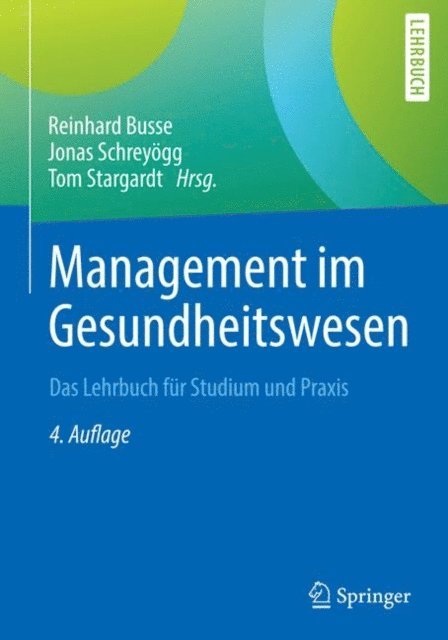

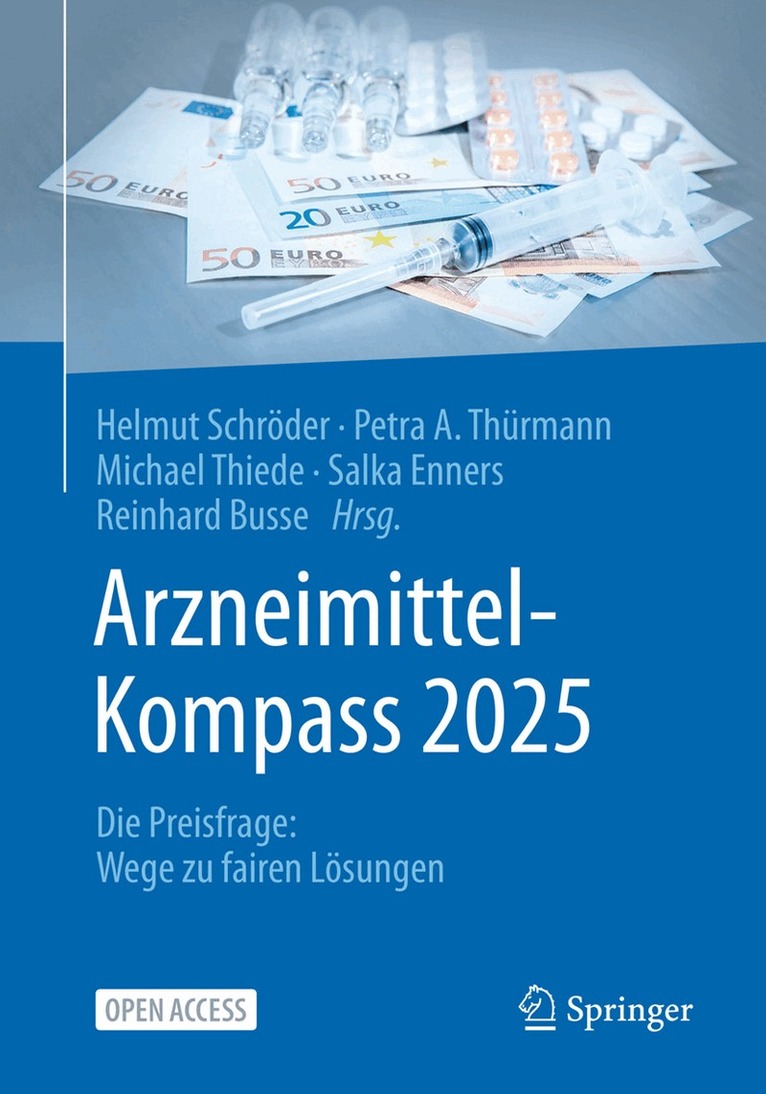
Helmut Schröder, Petra A. Thürmann, Michael Thiede, Salka Enners, Reinhard Busse
Häftad, 2025
459 kr
Reinhard Busse, Kerstin Blum, Sophia Schlette
45 kr
Matthias Wismar, Reinhard Busse, Marieke Kroezen, Claudia B. Maier
585 kr
Sophia Schlette, Reinhard Busse, Kerstin Blum, Ray Moynihan
45 kr
Claudia B. Maier, Marieke Kroezen, Reinhard Busse, Matthias Wismar
Häftad, 2022
606 kr
Friedrich Wilhelm Schwartz, Ulla Walter, Johannes Siegrist, Petra Kolip, Reiner Leidl, Reinhard Busse, Volker Amelung, Marie-Luise Dierks
Inbunden, 2022
1 331 kr
AvReinhard Busse,Alexander Geissler
461 kr
Beställningsvara. Skickas inom 3-6 vardagar. Fri frakt över 249 kr.
Written by authors with extensive experience of these systems, this book is a product of the EuroDRG project and constitutes an important resource for health policy-makers and researchers from Europe and beyond. The book is intended to contribute to the emergence of a ‘common language’ that will facilitate communication between researchers and policy-makers interested in improving the functioning and resourcing of the acute hospital sector. The book includes:
Claudia B. Maier, Marieke Kroezen, Reinhard Busse, Matthias Wismar
Häftad, 2022
606 kr
Matthias Wismar, Reinhard Busse, Marieke Kroezen, Claudia B. Maier
592 kr
Matthias Wismar, Reinhard Busse, Marieke Kroezen, Claudia B. Maier
585 kr
Adrian Levy, Sarah Goring, Constantine Gatsonis, Boris Sobolev, Ewout van Ginneken, Reinhard Busse
Inbunden, 2019
9 048 kr
Reinhard Busse, Ewout van Ginneken, Boris Sobolev, Constantine Gatsonis, Sarah Goring, Adrian Levy
11 493 kr
Friedrich Wilhelm Schwartz, Ulla Walter, Johannes Siegrist, Petra Kolip, Reiner Leidl, Reinhard Busse, Volker Amelung, Marie-Luise Dierks
Inbunden, 2022
1 331 kr
Oliver Tiemann, Jonas Alexander Schreyogg, Reinhard Busse
638 kr
Helmut Schröder, Petra A. Thürmann, Michael Thiede, Salka Enners, Reinhard Busse
Häftad, 2025
459 kr
Reinhard Busse, Kerstin Blum, Sophia Schlette
45 kr
Matthias Wismar, Reinhard Busse, Marieke Kroezen, Claudia B. Maier
585 kr
Sophia Schlette, Reinhard Busse, Kerstin Blum, Ray Moynihan
45 kr
Claudia B. Maier, Marieke Kroezen, Reinhard Busse, Matthias Wismar
Häftad, 2022
606 kr
Friedrich Wilhelm Schwartz, Ulla Walter, Johannes Siegrist, Petra Kolip, Reiner Leidl, Reinhard Busse, Volker Amelung, Marie-Luise Dierks
Inbunden, 2022
1 331 kr
AvReinhard Busse,Alexander Geissler
461 kr
Beställningsvara. Skickas inom 3-6 vardagar. Fri frakt över 249 kr.
Written by authors with extensive experience of these systems, this book is a product of the EuroDRG project and constitutes an important resource for health policy-makers and researchers from Europe and beyond. The book is intended to contribute to the emergence of a ‘common language’ that will facilitate communication between researchers and policy-makers interested in improving the functioning and resourcing of the acute hospital sector. The book includes:
Claudia B. Maier, Marieke Kroezen, Reinhard Busse, Matthias Wismar
Häftad, 2022
606 kr
Matthias Wismar, Reinhard Busse, Marieke Kroezen, Claudia B. Maier
592 kr
Matthias Wismar, Reinhard Busse, Marieke Kroezen, Claudia B. Maier
585 kr
Adrian Levy, Sarah Goring, Constantine Gatsonis, Boris Sobolev, Ewout van Ginneken, Reinhard Busse
Inbunden, 2019
9 048 kr
Reinhard Busse, Ewout van Ginneken, Boris Sobolev, Constantine Gatsonis, Sarah Goring, Adrian Levy
11 493 kr
Friedrich Wilhelm Schwartz, Ulla Walter, Johannes Siegrist, Petra Kolip, Reiner Leidl, Reinhard Busse, Volker Amelung, Marie-Luise Dierks
Inbunden, 2022
1 331 kr
Oliver Tiemann, Jonas Alexander Schreyogg, Reinhard Busse
638 kr
Helmut Schröder, Petra A. Thürmann, Michael Thiede, Salka Enners, Reinhard Busse
Häftad, 2025
459 kr
Reinhard Busse, Kerstin Blum, Sophia Schlette
45 kr
Matthias Wismar, Reinhard Busse, Marieke Kroezen, Claudia B. Maier
585 kr
Sophia Schlette, Reinhard Busse, Kerstin Blum, Ray Moynihan
45 kr
Claudia B. Maier, Marieke Kroezen, Reinhard Busse, Matthias Wismar
Häftad, 2022
606 kr
Friedrich Wilhelm Schwartz, Ulla Walter, Johannes Siegrist, Petra Kolip, Reiner Leidl, Reinhard Busse, Volker Amelung, Marie-Luise Dierks
Inbunden, 2022
1 331 kr