• Fri frakt över 249 kr
  • •
  • Snabba leveranser
  • •
  • Billiga böcker
Kundservice

Du är på sajten för privatpersoner.

Företag, bibliotek eller offentlig verksamhet?

Du handlar på classic.bokus.com, där alla dina funktioner finns intakta.
Till classic.bokus.com
Bokus logotyp. Gå till startsidan.
  • Erbjudanden
  • Nyheter
  • Student
  • Topplistor
  • Barn & ungdom
  • Bokus Play
  • E-böcker
  • Pocketböcker
  • Spel & pussel

10% rabatt på allt med kod: NYSTART10 →

Sidfot

Mina sidor

    Hjälp

    • Kundservice
    • Vanliga frågor och svar
    • Frakt och leverans
    • Retur vid ångerrätt
    • Reklamera vara
    • Betalning
    • Köpvillkor
    • Allmänna villkor
    • Information om webbplatsens tillgänglighet

    Om Bokus

    • Om oss
    • Pressrum
    • För studenter
    • För företag
    • För bibliotek och offentlig verksamhet
    • För leverantörer
    • Hållbarhet

    Populärt

    • Aktuella erbjudanden
    • Presentkort
    • Studentlitteratur
    • Nya böcker
    • Topplistor
    • Signerade böcker
    • Engelska böcker

    Inspiration

    • Boktips
    • BookTok
    • Populära bokserier
    • Barnbokskaraktärer
    • Populära författare
    Logotyp för Bokus
    Följ oss på Facebook (extern länk)Följ oss på Instagram (extern länk)Följ oss på YouTube (extern länk)Följ oss på TikTok (extern länk)
    bokus @ CookiesAnpassa cookiesIntegritetspolicyKöpvillkor
    Till Citymail hemsida (extern länk)Till Budbee hemsida (extern länk)Till Postnord hemsida (extern länk)Till Schenker hemsida (extern länk)Till Early Bird hemsida (extern länk)Till Walleys hemsida (extern länk)
    1. Samhälle och politik
    2. Samhälle och kultur
    3. Sociala grupper och identitet
    4. Genusvetenskap

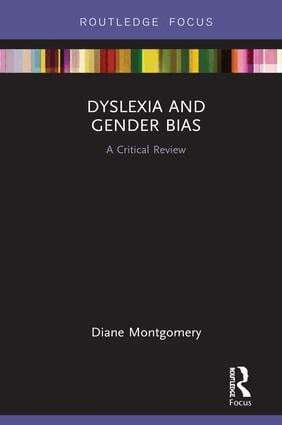
    Dyslexia and Gender Bias

    A Critical Review

    AvDiane Montgomery

    Inbunden, Engelska, 2019

    935 kr

    Beställningsvara. Skickas inom 10-15 vardagar. Fri frakt över 249 kr.

    Fler format och utgåvor

    E-bok

    409 kr

    E-bok

    408 kr

    Beskrivning

    Providing an overview of the various understandings and approaches taken to dyslexia over the last 100 years, this text considers why men have traditionally taken the lead in dyslexia theory and research, whilst women have often been confined to practice.Exploring how and why particular pathways in dyslexia theory, research and practice were historically pursued, whilst other potentially successful methods were not, Montgomery argues that gender bias has played a significant and often obstructive role in the development of our identification and understanding of dyslexia. Explaining why women and girls have often been under-represented in dyslexia clinics and in research, chapters trace the contributions made by dyslexia pioneers, analyse current problems within education and research systems, and document widespread patterns of misogyny and gender discrimination in the field. Montgomery links dyslexia history, current research paradigms and transgender experiences, to ask whether assumed male superiority has disadvantaged dyslexic learners, and whether it will continue to do so. In the process, she presents a new trajectory for research and practice.A timely exploration of the impacts of gender discrimination on research and education, this text provides essential insight into the subtle impacts of sexism on dyslexic learners.

    Produktinformation

    • Utgivningsdatum:2019-01-02
    • Mått:138 x 216 x 15 mm
    • Vikt:120 g
    • Format:Inbunden
    • Språk:Engelska
    • Antal sidor:116
    • Förlag:Taylor & Francis Ltd
    • ISBN:9780367140892

    Utforska kategorier

    • Genusvetenskap inom Samhälle och politik
    • Kognitiv psykologi inom Psykologi och pedagogik

    Mer om författaren

    Diane Montgomery is Professor Emerita in Education at Middlesex University, London, UK.

    Innehållsförteckning

    • Introduction Chapter One: The dyslexia scene today and the problems it raises Chapter Two: The dyslexia pioneers and the gender divide Chapter Three: A critique of authority and wisdom in dyslexia research and education Chapter Four: An alternative trajectory Some final thoughts References Index