• Fri frakt över 249 kr
  • •
  • Snabba leveranser
  • •
  • Billiga böcker
Kundservice

Du är på sajten för privatpersoner.

Företag, bibliotek eller offentlig verksamhet?

Du handlar på classic.bokus.com, där alla dina funktioner finns intakta.
Till classic.bokus.com
Bokus logotyp. Gå till startsidan.
  • Erbjudanden
  • Nyheter
  • Student
  • Topplistor
  • Barn & ungdom
  • Bokus Play
  • E-böcker
  • Pocketböcker
  • Spel & pussel

10% rabatt på allt med kod NYSTART10 →

Sidfot

Mina sidor

    Hjälp

    • Kundservice
    • Vanliga frågor och svar
    • Frakt och leverans
    • Retur vid ångerrätt
    • Reklamera vara
    • Betalning
    • Köpvillkor
    • Allmänna villkor
    • Information om webbplatsens tillgänglighet

    Om Bokus

    • Om oss
    • Pressrum
    • För studenter
    • För företag
    • För bibliotek och offentlig verksamhet
    • För leverantörer
    • Hållbarhet

    Populärt

    • Aktuella erbjudanden
    • Presentkort
    • Studentlitteratur
    • Nya böcker
    • Topplistor
    • Signerade böcker
    • Engelska böcker

    Inspiration

    • Boktips
    • BookTok
    • Populära bokserier
    • Barnbokskaraktärer
    • Populära författare
    Logotyp för Bokus
    Följ oss på Facebook (extern länk)Följ oss på Instagram (extern länk)Följ oss på YouTube (extern länk)Följ oss på TikTok (extern länk)
    bokus @ CookiesAnpassa cookiesIntegritetspolicyKöpvillkor
    Till Citymail hemsida (extern länk)Till Budbee hemsida (extern länk)Till Postnord hemsida (extern länk)Till Schenker hemsida (extern länk)Till Early Bird hemsida (extern länk)Till Walleys hemsida (extern länk)
    1. Samhälle och politik
    2. Samhälle och kultur
    3. Kultur och medier
    4. Referensverk och tvärvetenskap

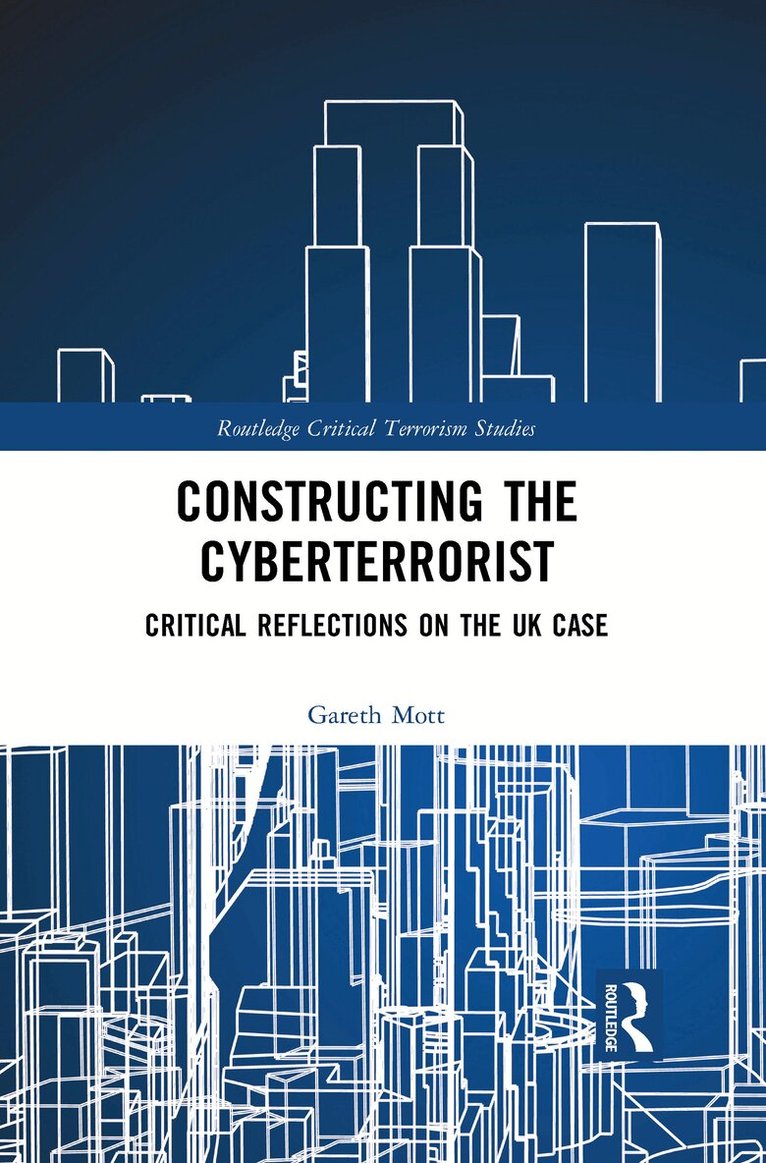
    Constructing the Cyberterrorist

    Critical Reflections on the UK Case

    AvGareth Mott

    Inbunden, Engelska, 2019

    Del i serien Routledge Critical Terrorism Studies

    2 422 kr

    Beställningsvara. Skickas inom 10-15 vardagar. Fri frakt över 249 kr.

    Fler format och utgåvor

    E-bok

    788 kr

    E-bok

    788 kr

    Häftad

    667 kr

    Beskrivning

    This book maps and analyses the official British construction of the threat of cyberterrorism.By using interpretive discourse analysis, this book identifies ‘strands’ from a corpus of policy documents, statements, and speeches from UK Ministers, MPs, and Peers between 12 May 2010 and 24 June 2016. The book examines how the threat of cyberterrorism was constructed in the UK, and what this securitisation has made possible. The author makes novel contributions to the Copenhagen School’s ‘securitisation theory’ framework by outlining a ‘tiered’ rather than monolithic audience system; refining the ‘temporal’ and ‘spatial’ conditioning of a securitisation with reference to the distinctive characteristics of cyberterrorism; and, lastly, by detailing the way in which popular fiction can be ascribed agency to ‘fill in’ an absence of ‘cyberterrorism’ case studies. He also argues that the UK government’s classification of cyberterrorism as a ‘Tier One’ threat created a central strand upon which a discursive securitisation was established.This book will be of interest to students of Critical Security Studies, terrorism studies, UK politics, and international relations.

    Produktinformation

    • Utgivningsdatum:2019-11-11
    • Mått:156 x 234 x 11 mm
    • Vikt:440 g
    • Format:Inbunden
    • Språk:Engelska
    • Serie:Routledge Critical Terrorism Studies
    • Antal sidor:144
    • Förlag:Taylor & Francis Ltd
    • ISBN:9780367223557

    Utforska kategorier

    • Referensverk och tvärvetenskap inom Samhälle och politik
    • Politisk aktivism inom Samhälle och politik
    • Krig och försvar inom Samhälle och politik

    Mer om författaren

    Gareth Mott is a lecturer in security and intelligence at the University of Kent, UK.

    Innehållsförteckning

    • Introduction: locating the ‘cyberterrorist’ within cyberspace and academia 1. Interpreting the construction of hypothetical threatening actors in cyberspace 2. The discursive construction of the threat of cyberterrorism to the UK 3. Running out of time: cyberterrorism as a temporally distinct threat 4. Locating the cyberterrorist: cyberterrorism as a spatially unique threat 5. Narrating the cyberterrorist: from fiction to reality Conclusion