• Fri frakt över 249 kr
  • •
  • Snabba leveranser
  • •
  • Billiga böcker
Kundservice

Du är på sajten för privatpersoner.

Företag, bibliotek eller offentlig verksamhet?

Du handlar på classic.bokus.com, där alla dina funktioner finns intakta.
Till classic.bokus.com
Bokus logotyp. Gå till startsidan.
  • Erbjudanden
  • Nyheter
  • Student
  • Topplistor
  • Barn & ungdom
  • Bokus Play
  • E-böcker
  • Pocketböcker
  • Spel & pussel

10% rabatt på allt med kod: NYSTART10 →

Sidfot

Mina sidor

    Hjälp

    • Kundservice
    • Vanliga frågor och svar
    • Frakt och leverans
    • Retur vid ångerrätt
    • Reklamera vara
    • Betalning
    • Köpvillkor
    • Allmänna villkor
    • Information om webbplatsens tillgänglighet

    Om Bokus

    • Om oss
    • Pressrum
    • För studenter
    • För företag
    • För bibliotek och offentlig verksamhet
    • För leverantörer
    • Hållbarhet

    Populärt

    • Aktuella erbjudanden
    • Presentkort
    • Studentlitteratur
    • Nya böcker
    • Topplistor
    • Signerade böcker
    • Engelska böcker

    Inspiration

    • Boktips
    • BookTok
    • Populära bokserier
    • Barnbokskaraktärer
    • Populära författare
    Logotyp för Bokus
    Följ oss på Facebook (extern länk)Följ oss på Instagram (extern länk)Följ oss på YouTube (extern länk)Följ oss på TikTok (extern länk)
    bokus @ CookiesAnpassa cookiesIntegritetspolicyKöpvillkor
    Till Citymail hemsida (extern länk)Till Budbee hemsida (extern länk)Till Postnord hemsida (extern länk)Till Schenker hemsida (extern länk)Till Early Bird hemsida (extern länk)Till Walleys hemsida (extern länk)
    1. Samhälle och politik
    2. Sociologi och antropologi
    3. Antropologi

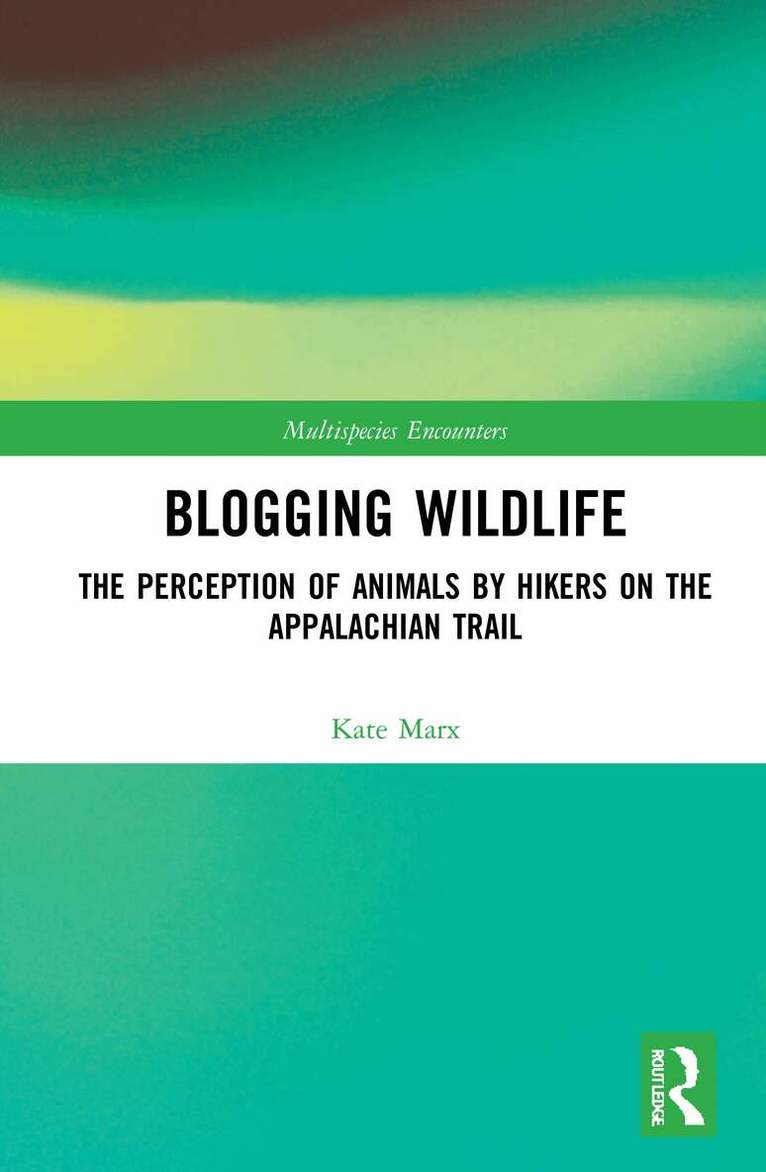
    Blogging Wildlife

    The Perception of Animals by Hikers on the Appalachian Trail

    AvKate Marx

    Inbunden, Engelska, 2020

    Del i serien Multispecies Encounters

    2 423 kr

    Beställningsvara. Skickas inom 10-15 vardagar. Fri frakt över 249 kr.

    Fler format och utgåvor

    Häftad

    667 kr

    E-bok

    788 kr

    E-bok

    788 kr

    Beskrivning

    This volume reports on the encounters between hikers and wildlife on the Appalachian Trail. Based on narratives provided by trail hikers, it explores the ways in which humans relate to the animals with whom they temporarily share a home. With attention to the themes of pilgrimage, the changing perception of the animals encountered and reactions to them, risk, auditory experience, and a sense of wildness, the author considers the meaning constituted by nonhuman animals in the context of the walkers’ narrative journeys. A phenomenologically informed study of the ways in which people perceive wild animals when in an unmediated wilderness setting, how they navigate interactions with them, and how they experience living among them, Blogging Wildlife will appeal to scholars across the social sciences with interests in anthrozoology and human–animal relations.

    Produktinformation

    • Utgivningsdatum:2020-12-31
    • Mått:156 x 234 x 17 mm
    • Vikt:453 g
    • Format:Inbunden
    • Språk:Engelska
    • Serie:Multispecies Encounters
    • Antal sidor:172
    • Förlag:Taylor & Francis Ltd
    • ISBN:9780367351007

    Utforska kategorier

    • Antropologi inom Samhälle och politik
    • Sociologi inom Samhälle och politik
    • Miljöteknik inom Naturvetenskap och teknik

    Mer om författaren

    Kate Marx was a postdoctoral research associate in the research group Exeter Anthrozoology as Symbiotic Ethics (EASE) at the University of Exeter, UK. She is currently Social Research Manager at Waterwise, a not-for-profit organisation which advocates for water conservation in the UK.

    Innehållsförteckning

    • Introduction 1. Hiking as Pilgrimage, and Wild Animals on the Trail 2. 'Real' Wilderness Needs a 'Real' Predator: Hikers and Black Bears 3. Cuteness on the Trail 4. Ugly, Scary, and Disgusting: Uncomfortably Close Encounters with Mice, Snakes, Insects, and Other ‘Critters’ on the Trail 5. Chirps, Quacks, Croaks, Howls, and 'What Was That?': Animal Sounds on the Trail Conclusion