• Fri frakt över 249 kr
  • •
  • Snabba leveranser
  • •
  • Billiga böcker
Kundservice

Du är på sajten för privatpersoner.

Företag, bibliotek eller offentlig verksamhet?

Du handlar på classic.bokus.com, där alla dina funktioner finns intakta.
Till classic.bokus.com
Bokus logotyp. Gå till startsidan.
  • Erbjudanden
  • Nyheter
  • Student
  • Topplistor
  • Barn & ungdom
  • Bokus Play
  • E-böcker
  • Pocketböcker
  • Spel & pussel

10% rabatt på allt med kod: NYSTART10 →

Sidfot

Mina sidor

    Hjälp

    • Kundservice
    • Vanliga frågor och svar
    • Frakt och leverans
    • Retur vid ångerrätt
    • Reklamera vara
    • Betalning
    • Köpvillkor
    • Allmänna villkor
    • Information om webbplatsens tillgänglighet

    Om Bokus

    • Om oss
    • Pressrum
    • För studenter
    • För företag
    • För bibliotek och offentlig verksamhet
    • För leverantörer
    • Hållbarhet

    Populärt

    • Aktuella erbjudanden
    • Presentkort
    • Studentlitteratur
    • Nya böcker
    • Topplistor
    • Signerade böcker
    • Engelska böcker

    Inspiration

    • Boktips
    • BookTok
    • Populära bokserier
    • Barnbokskaraktärer
    • Populära författare
    Logotyp för Bokus
    Följ oss på Facebook (extern länk)Följ oss på Instagram (extern länk)Följ oss på YouTube (extern länk)Följ oss på TikTok (extern länk)
    bokus @ CookiesAnpassa cookiesIntegritetspolicyKöpvillkor
    Till Citymail hemsida (extern länk)Till Budbee hemsida (extern länk)Till Postnord hemsida (extern länk)Till Schenker hemsida (extern länk)Till Early Bird hemsida (extern länk)Till Walleys hemsida (extern länk)
    1. Historia och arkeologi
    2. Historia
    3. Europas historia

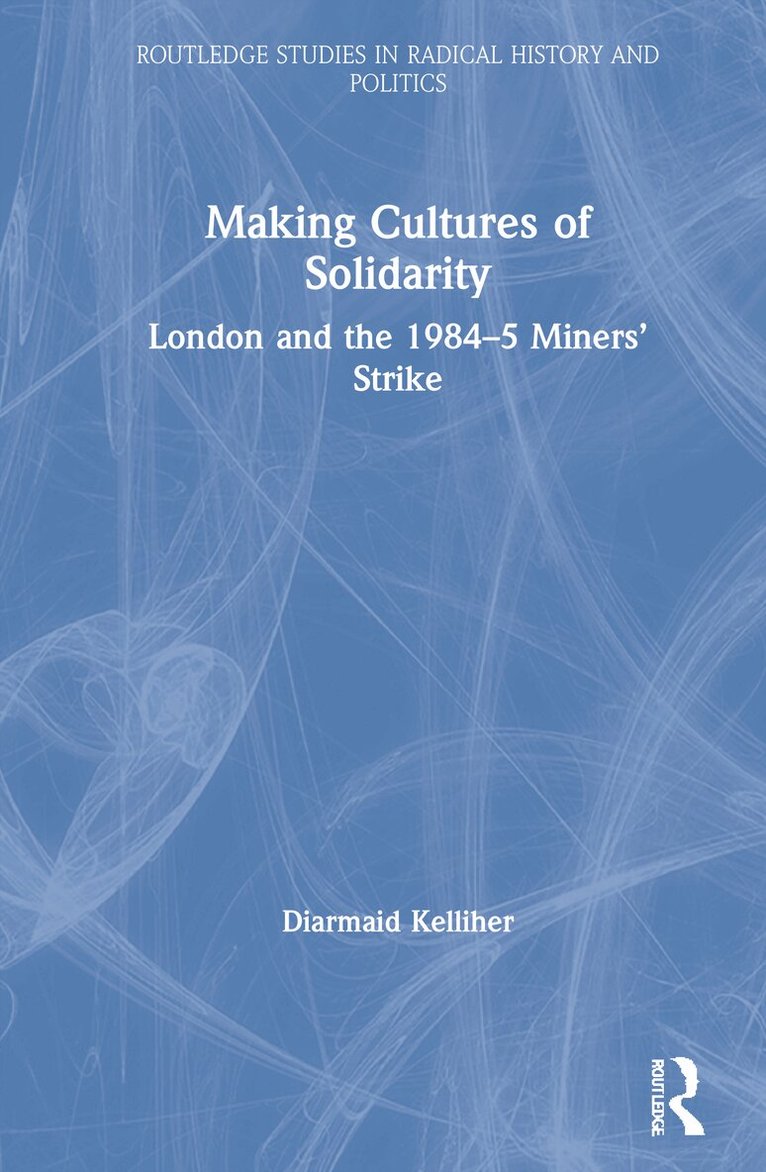
    Making Cultures of Solidarity

    London and the 1984–5 Miners’ Strike

    AvDiarmaid Kelliher

    Inbunden, Engelska, 2021

    Del i serien Routledge Studies in Radical History and Politics

    2 493 kr

    Beställningsvara. Skickas inom 10-15 vardagar. Fri frakt över 249 kr.

    Fler format och utgåvor

    Häftad

    629 kr

    E-bok

    743 kr

    E-bok

    743 kr

    Beskrivning

    This book combines radical history, critical geography, and political theory in an innovative history of the solidarity campaign in London during the 1984-5 miners’ strike.Thousands of people collected food and money, joined picket lines and demonstrations, organised meetings, travelled to mining areas, and hosted coalfield activists in their homes during the strike. The support campaign encompassed longstanding elements of the British labour movement as well as autonomously organised Black, lesbian and gay, and feminist support groups. This book shows how the solidarity of 1984-5 was rooted in the development of mutual relationships of support between the coalfields and the capital since the late 1960s. It argues that a culture of solidarity was developed through industrial and political struggles that brought together diverse activists from mining communities and London. The book also takes the story forward, exploring the aftermath of the miners’ strike and the complex legacies of the support movement up to the present day. This rich history provides a compelling example of how solidarity can cross geographical and social boundaries.This book is essential reading for students, scholars, and activists with an interest in left-wing politics and history.

    Produktinformation

    • Utgivningsdatum:2021-05-11
    • Mått:156 x 234 x 18 mm
    • Vikt:489 g
    • Format:Inbunden
    • Språk:Engelska
    • Serie:Routledge Studies in Radical History and Politics
    • Antal sidor:12
    • Förlag:Taylor & Francis Ltd
    • ISBN:9780367355203

    Utforska kategorier

    • Europas historia inom Historia och arkeologi
    • Politisk aktivism inom Samhälle och politik

    Mer om författaren

    Diarmaid Kelliher is a Lecturer in Human Geography in the School of Geographical & Earth Sciences at the University of Glasgow, UK.

    Recensioner i media

    ‘[T]he book is a rare example of concise writing and meticulous research… an important book that can be read by both seasoned labour scholars and undergraduate students… The rigorous archival methods, nuanced understandings of class, and measured optimism for resistance combined with analytical maturity are truly "generative" of new ways of seeing struggle.’Steven Tufts, York University, Canada, writing in Antipode‘[An] exemplary study of the 1984–5 strike in defence of jobs, collieries and communities… [Kelliher] demonstrates that the strike was sustained by multiple alliances constructed by miners at pit- and community-level with a wide constellation of supporters, many of them in London. This is the book’s outstanding contribution, framing the strike as largely a mobilisation ‘from below’, which imperfectly synthesised labour-movement politics with social-movement politics.’Jim Phillips, University of Glasgow, UK, writing in The London Journal‘In troubled times, Making Cultures of Solidarity is restorative. It should emerge as a key text across career stages in a more historically-attentive Urban Studies that recognises the crucial roles that organised labour and its dissolution play in understanding urban social infrastructures, and how translocal and intersectional cultures of solidarity can be (re)made toward just urban futures.’Jay Emery, University of Sheffield UK, writing in Urban Studies‘As Kelliher documents, the story of support for the strike illustrates a left politics that was instinctively intersectional because so were the lives and identities of its practitioners.’Rhian E. Jones, writing in Tribune

    Innehållsförteckning

    • Introduction 1. Conceptualising Cultures of Solidarity 2. ‘We’ve always stood with anybody who wanted to fight’: Mutual Solidarity in the Long 1970s 3. ‘We’re all in Thatcher’s sinking ship’: Class and Deindustrialisation 4. ‘Like little soviets’: Infrastructures of Solidarity 5. ‘What it meant to us about equality’: Gender, Race and Solidarity 6. Sexuality and Solidarity: Lesbians and Gays Support the Miners 7. ‘Someone else’s dubious battle’: The Limits of Solidarity 8. ‘The world doesn’t end’: After the Miners’ Strike Conclusion