• Fri frakt över 249 kr
  • •
  • Snabba leveranser
  • •
  • Billiga böcker
Kundservice

Du är på sajten för privatpersoner.

Företag, bibliotek eller offentlig verksamhet?

Du handlar på classic.bokus.com, där alla dina funktioner finns intakta.
Till classic.bokus.com
Bokus logotyp. Gå till startsidan.
  • Erbjudanden
  • Nyheter
  • Student
  • Topplistor
  • Barn & ungdom
  • Bokus Play
  • E-böcker
  • Pocketböcker
  • Spel & pussel

10% rabatt på allt med kod: NYSTART10 →

Sidfot

Mina sidor

    Hjälp

    • Kundservice
    • Vanliga frågor och svar
    • Frakt och leverans
    • Retur vid ångerrätt
    • Reklamera vara
    • Betalning
    • Köpvillkor
    • Allmänna villkor
    • Information om webbplatsens tillgänglighet

    Om Bokus

    • Om oss
    • Pressrum
    • För studenter
    • För företag
    • För bibliotek och offentlig verksamhet
    • För leverantörer
    • Hållbarhet

    Populärt

    • Aktuella erbjudanden
    • Presentkort
    • Studentlitteratur
    • Nya böcker
    • Topplistor
    • Signerade böcker
    • Engelska böcker

    Inspiration

    • Boktips
    • BookTok
    • Populära bokserier
    • Barnbokskaraktärer
    • Populära författare
    Logotyp för Bokus
    Följ oss på Facebook (extern länk)Följ oss på Instagram (extern länk)Följ oss på YouTube (extern länk)Följ oss på TikTok (extern länk)
    bokus @ CookiesAnpassa cookiesIntegritetspolicyKöpvillkor
    Till Citymail hemsida (extern länk)Till Budbee hemsida (extern länk)Till Postnord hemsida (extern länk)Till Schenker hemsida (extern länk)Till Early Bird hemsida (extern länk)Till Walleys hemsida (extern länk)
    1. Historia och arkeologi
    2. Historia
    3. Historia: särskilda händelser och ämnen
    4. Historia: pesten, sjukdomar, svält

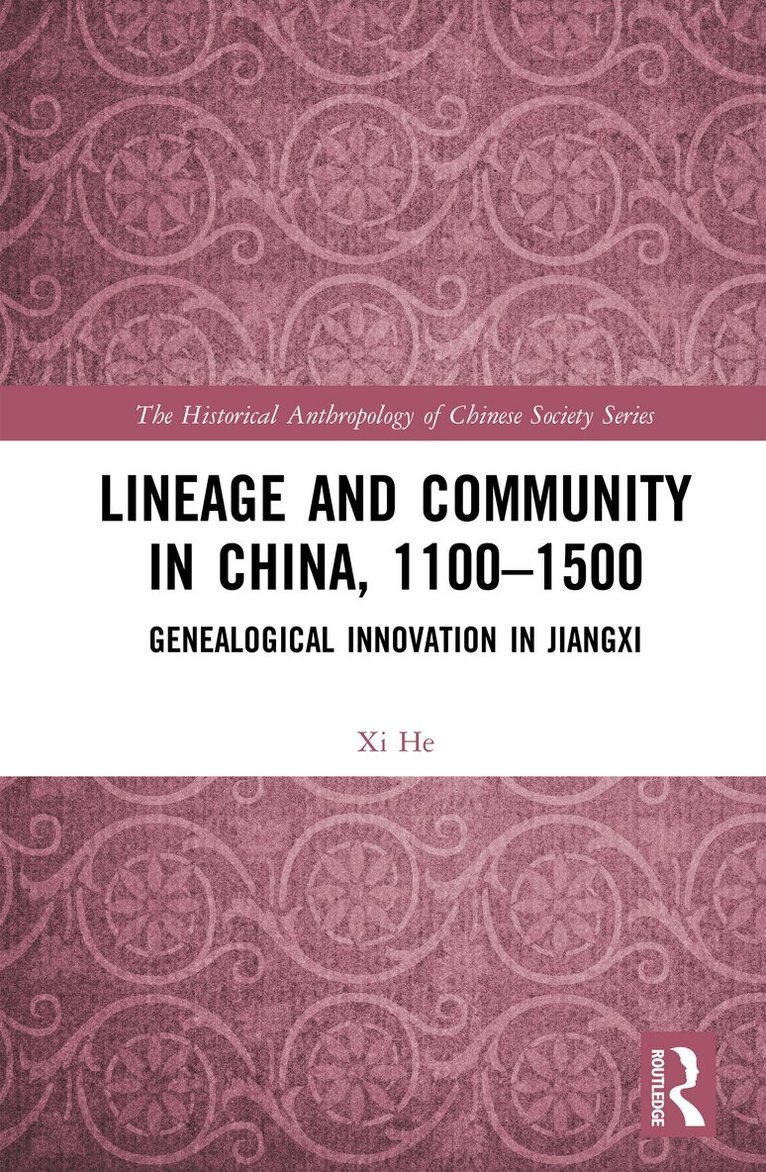
    Lineage and Community in China, 1100–1500

    Genealogical Innovation in Jiangxi

    AvXi He

    Inbunden, Engelska, 2020

    Del i serien Historical Anthropology of Chinese Society Series

    2 724 kr

    Beställningsvara. Skickas inom 10-15 vardagar. Fri frakt över 249 kr.

    Fler format och utgåvor

    E-bok

    812 kr

    E-bok

    812 kr

    Häftad

    686 kr

    Beskrivning

    Tracing descent from common ancestors was extremely important in imperial China. Members of such lineage communities sacrificed to ancestors in periodic ceremonies, maintained written genealogies to demonstrate their descent, and held some properties in common. This book, based on extensive original research, provides evidence that the practice originated much earlier than previously understood. It shows that in the eleventh century, in southern China under the Song dynasty, the method of compiling a genealogy in the form a table, that is, to say a family tree, replaced its statement as a textual paragraph and that this allowed the tracking of multi-line descent in ways that had previously been impossible. The book also reveals that the practice of recording and presenting genealogical information was not originally unique to communities of common surnames, but that the Southern Song government, keen to encourage loyalty to the state and cohesion within communities, favoured the building of common surname lineages, a practice which then had far-reaching consequences for the nature of Chinese society over a very long period.

    Produktinformation

    • Utgivningsdatum:2020-02-13
    • Mått:156 x 234 x 14 mm
    • Vikt:453 g
    • Format:Inbunden
    • Språk:Engelska
    • Serie:Historical Anthropology of Chinese Society Series
    • Antal sidor:224
    • Förlag:Taylor & Francis Ltd
    • ISBN:9780367364991

    Utforska kategorier

    • Historia: pesten, sjukdomar, svält inom Historia och arkeologi

    Mer om författaren

    Xi He is an assistant professor in the Department of History at the Chinese University of Hong Kong.

    Innehållsförteckning

    • 1. Introduction   Part 1. Jiangxi  2. Turning local, turning literary  3. Economic boom and its limitations  Part 2. Tracing lineages  4. Naming versus co-residence  5. Writing down the genealogy  6. The lineage made real  Part 3. Imagining communities  7. Impetus from religion  8. Loyalty in the Song-Yuan Transition  9. Taxation and land ownership from the Song to the Ming   10. The lineage as ideology in the Ming  11. Conclusion: The elite and the rest