• Fri frakt över 249 kr
  • •
  • Snabba leveranser
  • •
  • Billiga böcker
Kundservice

Du är på sajten för privatpersoner.

Företag, bibliotek eller offentlig verksamhet?

Du handlar på classic.bokus.com, där alla dina funktioner finns intakta.
Till classic.bokus.com
Bokus logotyp. Gå till startsidan.
  • Erbjudanden
  • Nyheter
  • Student
  • Topplistor
  • Barn & ungdom
  • Bokus Play
  • E-böcker
  • Pocketböcker
  • Spel & pussel

10% rabatt på allt med kod NYSTART10 →

Sidfot

Mina sidor

    Hjälp

    • Kundservice
    • Vanliga frågor och svar
    • Frakt och leverans
    • Retur vid ångerrätt
    • Reklamera vara
    • Betalning
    • Köpvillkor
    • Allmänna villkor
    • Information om webbplatsens tillgänglighet

    Om Bokus

    • Om oss
    • Pressrum
    • För studenter
    • För företag
    • För bibliotek och offentlig verksamhet
    • För leverantörer
    • Hållbarhet

    Populärt

    • Aktuella erbjudanden
    • Presentkort
    • Studentlitteratur
    • Nya böcker
    • Topplistor
    • Signerade böcker
    • Engelska böcker

    Inspiration

    • Boktips
    • BookTok
    • Populära bokserier
    • Barnbokskaraktärer
    • Populära författare
    Logotyp för Bokus
    Följ oss på Facebook (extern länk)Följ oss på Instagram (extern länk)Följ oss på YouTube (extern länk)Följ oss på TikTok (extern länk)
    bokus @ CookiesAnpassa cookiesIntegritetspolicyKöpvillkor
    Till Citymail hemsida (extern länk)Till Budbee hemsida (extern länk)Till Postnord hemsida (extern länk)Till Schenker hemsida (extern länk)Till Early Bird hemsida (extern länk)Till Walleys hemsida (extern länk)
    1. Djur och Natur
    2. Naturböcker
    3. Växtböcker

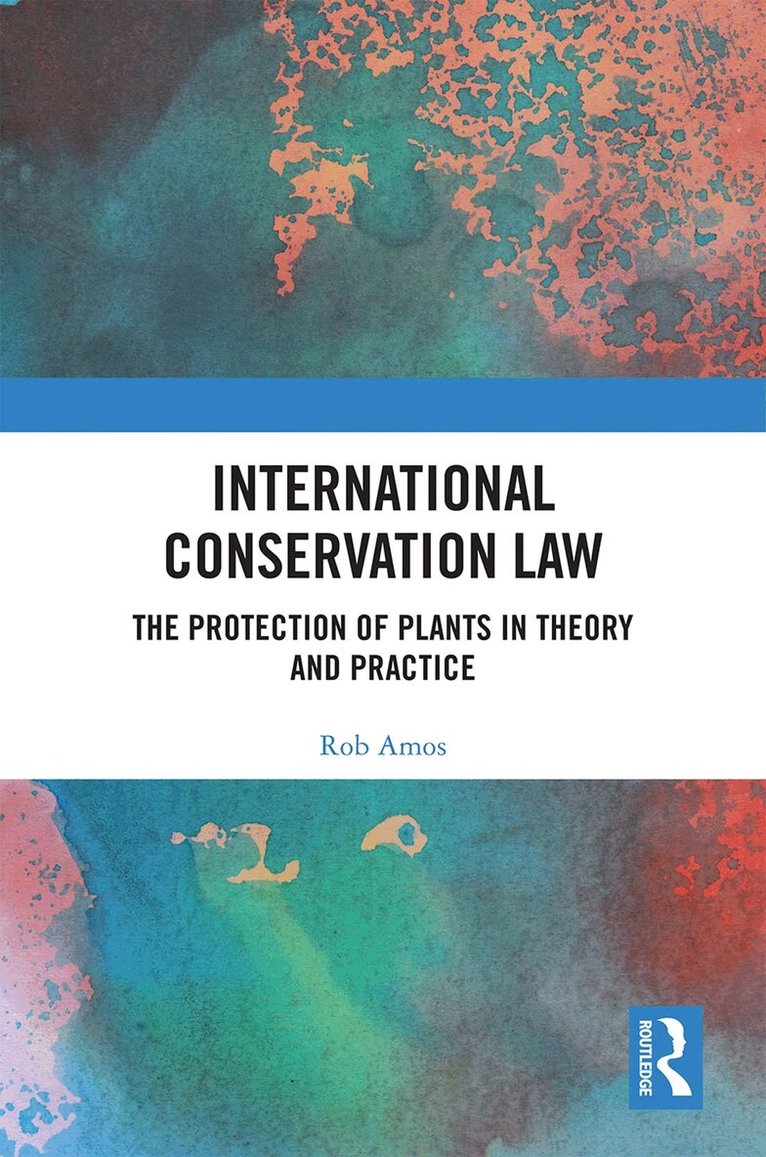
    International Conservation Law

    The Protection of Plants in Theory and Practice

    AvRob Amos

    Häftad, Engelska, 2021

    639 kr

    Beställningsvara. Skickas inom 10-15 vardagar. Fri frakt över 249 kr.

    Fler format och utgåvor

    Inbunden

    2 229 kr

    E-bok

    756 kr

    E-bok

    758 kr

    Beskrivning

    Through a combination of theoretical and empirical approaches, this book explores the role of international environmental law in protecting and conserving plants. Underpinning every ecosystem on the planet, plants provide the most basic requirements: food, shelter and clear air. Yet the world’s plants are in trouble; a fifth of all plant species are at risk of extinction, with thousands more in perpetual decline. In a unique study of international environmental law, this book provides a comprehensive overview of the challenges and restrictions associated with protecting and conserving plants. Through analysing the relationship between conservation law and conservation practice, the book debates whether the two work symbiotically, or if the law poses more of a hindrance than a help. Further discussion of the law’s response to some of the major threats facing plants, notably climate change, international trade and invasive species, grounds the book in conservation literature. Using case studies on key plant biomes to highlight the strengths and weaknesses of the law in practice, the book also includes previously unpublished results of an original empirical study into the correlations between the IUCN Red List and lists of endangered/protected species in international instruments. To conclude, the book looks to the future, considering broader reforms to the law to support the work of conservation practitioners and reshape humanity’s relationships with nature. The book will be of interest to scholars and students working in the field of international environmental law and those interested more broadly in conservation and ecological governance frameworks.

    Produktinformation

    • Utgivningsdatum:2021-12-13
    • Mått:156 x 234 x 23 mm
    • Vikt:560 g
    • Format:Häftad
    • Språk:Engelska
    • Antal sidor:280
    • Förlag:Taylor & Francis Ltd
    • ISBN:9780367493554

    Utforska kategorier

    • Växtböcker inom Djur och Natur
    • Internationell rätt inom Juridik
    • Botanik inom Naturvetenskap och teknik

    Mer om författaren

    Rob Amos is the Academic Lead on the environmental strand of UCL’s Global Citizenship Programme.

    Innehållsförteckning

    • TABLE OF CONTENTSForewordPreface and AcknowledgementsTable of International AgreementsPART 1: PRELIMINARY ISSUESIntroduction: The Legal and Ecological Context of Plant ConservationWhy a Book About Plants?A Brief Introduction to Plant EcologyCore Themes and StructureChapter I: The Value of PlantsNature in International Environmental LawWhy Is Understanding Value Important?Interpretations of ValueAnthropocentricity in International Environmental LawConclusionsPART 2: THE INTERNATIONAL LEGAL FRAMEWORK FOR THE PROTECTION OF PLANTSChapter II: Global Approaches to the Protection of PlantsTensions in International Conservation LawThe 1992 Convention on Biological DiversityForest BiodiversityConclusionsChapter III: Regional Approaches to the Protection of PlantsRegional Conservation Instruments and ‘Effectiveness’The Geographic Scope of Regional Conservation AgreementsThe Construction of Regional Conservation AgreementsThe Relationship between Regional Conservation Agreements and Conservation Practice – Designating Protected AreasThe Relationship between Regional Conservation Agreements and Conservation Practice – Listing SpeciesConclusionsAppendix 1: Ratification Status of the Regional Conservation AgreementsAppendix 2: Methodological Notes for the Empirical Study on the Conservation and Population Status of European FloraChapter IV: Polar PlantsPlants at the PolesPlants in the Antarctic Treaty SystemThe Conservation of Arctic FloraConclusionsChapter V: The Protection of Marine and Freshwater PlantsPlants in Aquatic EcosystemsGlobal Approaches to Marine ConservationRegional Approaches to Marine ConservationThe Conservation of Flora in WetlandsFreshwater FloraConclusionsPART 3: LEGAL RESPONSES TO THE DRIVERS OF PLANT DIVERSITY LOSSChapter VI: Climate ChangePlants and Climate ChangeConservation and Climate ChangeThe Conservation of Mountain PlantsThe REDD+ ProgrammeThe Clean Development MechanismConclusionsChapter VII: International TradePlants in International TradeThe Environment and TradeProtecting Plants through the Environmental Exceptions in the GATTThe 1973 Convention on International Trade in Endangered SpeciesConclusionsChapter VIII: Invasive/Alien Species, Disease and Ecosystem RestorationThe Threat of Invasive/Alien Species and DiseaseInternational Regulation of Invasive/Alien SpeciesControlling the Spread of DiseaseRewilding and Ecosystem RestorationConclusionsPART 4: WAYS FORWARD FOR THE PROTECTION OF PLANTSChapter IX: Conservation Practice and International LawResilience Thinking in ConservationNon-State Actors in ConservationKey Components of Successful ConservationMaking International Law Work for Conservation – The Nagoya Protocol on Access and Benefit-SharingConclusionsChapter X: Ecological and Ecocentric Models for ReformThe False Promise of Neoliberalism and Sustainable DevelopmentDefining Ecological SustainabilityTemplates for an Ecocentric SocietyRecognising the Legal Rights of Plants in International LawConclusionsConclusion: Humanity’s Failure to Protect PlantsBibliography