• Fri frakt över 249 kr
  • •
  • Snabba leveranser
  • •
  • Billiga böcker
Kundservice

Du är på sajten för privatpersoner.

Företag, bibliotek eller offentlig verksamhet?

Du handlar på classic.bokus.com, där alla dina funktioner finns intakta.
Till classic.bokus.com
Bokus logotyp. Gå till startsidan.
  • Erbjudanden
  • Nyheter
  • Student
  • Topplistor
  • Barn & ungdom
  • Bokus Play
  • E-böcker
  • Pocketböcker
  • Spel & pussel

10% rabatt på allt med kod: NYSTART10 →

Sidfot

Mina sidor

    Hjälp

    • Kundservice
    • Vanliga frågor och svar
    • Frakt och leverans
    • Retur vid ångerrätt
    • Reklamera vara
    • Betalning
    • Köpvillkor
    • Allmänna villkor
    • Information om webbplatsens tillgänglighet

    Om Bokus

    • Om oss
    • Pressrum
    • För studenter
    • För företag
    • För bibliotek och offentlig verksamhet
    • För leverantörer
    • Hållbarhet

    Populärt

    • Aktuella erbjudanden
    • Presentkort
    • Studentlitteratur
    • Nya böcker
    • Topplistor
    • Signerade böcker
    • Engelska böcker

    Inspiration

    • Boktips
    • BookTok
    • Populära bokserier
    • Barnbokskaraktärer
    • Populära författare
    Logotyp för Bokus
    Följ oss på Facebook (extern länk)Följ oss på Instagram (extern länk)Följ oss på YouTube (extern länk)Följ oss på TikTok (extern länk)
    bokus @ CookiesAnpassa cookiesIntegritetspolicyKöpvillkor
    Till Citymail hemsida (extern länk)Till Budbee hemsida (extern länk)Till Postnord hemsida (extern länk)Till Schenker hemsida (extern länk)Till Early Bird hemsida (extern länk)Till Walleys hemsida (extern länk)
    1. Samhälle och politik
    2. Samhälle och kultur
    3. Kultur och medier
    4. Medievetenskap

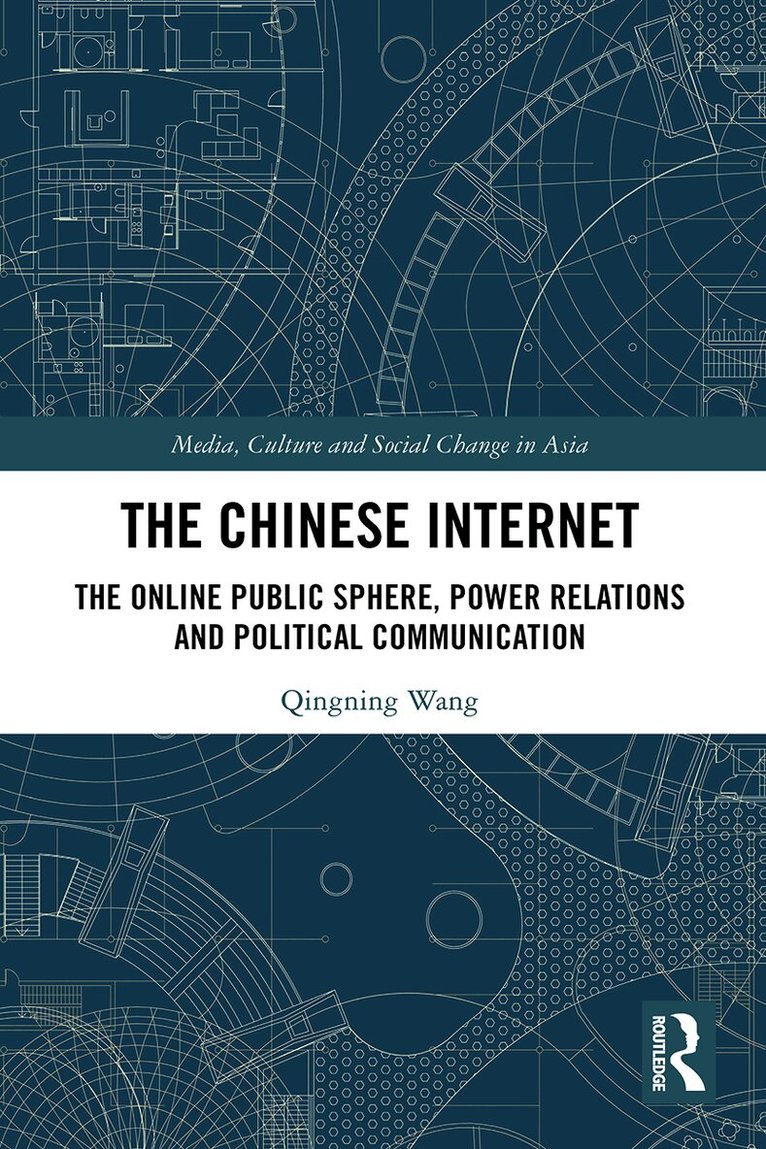
    Chinese Internet

    The Online Public Sphere, Power Relations and Political Communication

    AvQingning Wang

    Häftad, Engelska, 2022

    Del i serien Media, Culture and Social Change in Asia

    667 kr

    Beställningsvara. Skickas inom 10-15 vardagar. Fri frakt över 249 kr.

    Fler format och utgåvor

    Inbunden

    2 645 kr

    E-bok

    788 kr

    E-bok

    788 kr

    Beskrivning

    This book discusses the use of the internet in China, the complicated power relations in online political communications, and the interactions and struggles between the government and the public over the use of the internet. It argues that there is a "semi-structured" online public sphere, in which there is a certain amount of equal and liberal political communication, but that the online political debates are also limited by government control and censorship, as well as by inequality and exclusions, and moreover that the government rarely engages in the political debates. Based on extensive original research, and considering specific debates around particular issues, the book analyses how Chinese net-users debate about political issues, how they problematize the government’s actions and policies, what language they use, what online discourses are produced, and how the debates and online discourses are limited. Overall, the book provides a rich picture of the current state of online political communication in China.

    Produktinformation

    • Utgivningsdatum:2022-05-30
    • Mått:156 x 234 x 16 mm
    • Vikt:349 g
    • Format:Häftad
    • Språk:Engelska
    • Serie:Media, Culture and Social Change in Asia
    • Antal sidor:232
    • Förlag:Taylor & Francis Ltd
    • ISBN:9780367563806

    Utforska kategorier

    • Medievetenskap inom Samhälle och politik
    • Digital livsstil och datorspel inom Data och IT

    Mer om författaren

    Qingning Wang is a lecturer in Media Studies in School of Arts, University of Kent, UK

    Innehållsförteckning

    • Preface Introduction Chapter 1. Political Communication and the Online Public Sphere in China: Theory, Debates and Unanswered Questions Chapter 2. Political Contention in China’s Online Spaces Chapter 3. Equality and Inclusiveness in China’s Online Space Chapter 4. Expressing Political Concerns Online in China Chapter 5. Online Political Communication in China: Government Censorship, Engagement and Reaction Chapter 6. Conclusions