• Fri frakt över 249 kr
  • •
  • Snabba leveranser
  • •
  • Billiga böcker
Kundservice

Du är på sajten för privatpersoner.

Företag, bibliotek eller offentlig verksamhet?

Du handlar på classic.bokus.com, där alla dina funktioner finns intakta.
Till classic.bokus.com
Bokus logotyp. Gå till startsidan.
  • Erbjudanden
  • Nyheter
  • Student
  • Topplistor
  • Barn & ungdom
  • Bokus Play
  • E-böcker
  • Pocketböcker
  • Spel & pussel

10% rabatt på allt med kod NYSTART10 →

Sidfot

Mina sidor

    Hjälp

    • Kundservice
    • Vanliga frågor och svar
    • Frakt och leverans
    • Retur vid ångerrätt
    • Reklamera vara
    • Betalning
    • Köpvillkor
    • Allmänna villkor
    • Information om webbplatsens tillgänglighet

    Om Bokus

    • Om oss
    • Pressrum
    • För studenter
    • För företag
    • För bibliotek och offentlig verksamhet
    • För leverantörer
    • Hållbarhet

    Populärt

    • Aktuella erbjudanden
    • Presentkort
    • Studentlitteratur
    • Nya böcker
    • Topplistor
    • Signerade böcker
    • Engelska böcker

    Inspiration

    • Boktips
    • BookTok
    • Populära bokserier
    • Barnbokskaraktärer
    • Populära författare
    Logotyp för Bokus
    Följ oss på Facebook (extern länk)Följ oss på Instagram (extern länk)Följ oss på YouTube (extern länk)Följ oss på TikTok (extern länk)
    bokus @ CookiesAnpassa cookiesIntegritetspolicyKöpvillkor
    Till Citymail hemsida (extern länk)Till Budbee hemsida (extern länk)Till Postnord hemsida (extern länk)Till Schenker hemsida (extern länk)Till Early Bird hemsida (extern länk)Till Walleys hemsida (extern länk)
    1. Historia och arkeologi
    2. Arkeologi

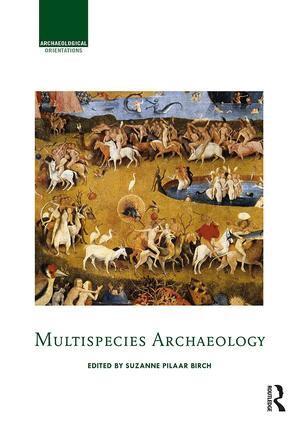
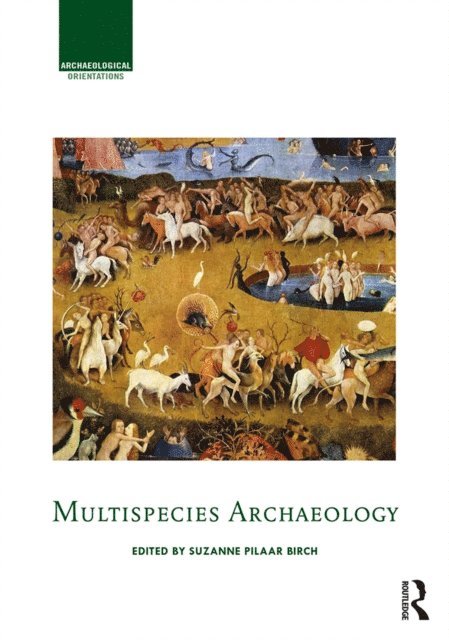
    Multispecies Archaeology

    AvSuzanne Pilaar Birch

    Häftad, Engelska, 2020

    Del i serien Archaeological Orientations

    759 kr

    Beställningsvara. Skickas inom 10-15 vardagar. Fri frakt över 249 kr.

    Beskrivning

    Multispecies Archaeology explores the issue of ecological and cultural novelty in the archaeological record from a multispecies perspective. Human exceptionalism and our place in nature have long been topics of academic consideration and archaeology has been synonymous with an axclusively human past, to the detriment of gaining a more nuanced understanding of one that is shared.Encompassing more than just our relationships with animals, the book considers what we can learn about the human past without humans as the focus of the question. The volume digs deep into our understanding of interaction with plants, fungi, microbes, and even the fundamental building blocks of life, DNA. Multispecies Archaeology examines what it means to be human—and non-human—from a variety of perspectives, providing a new lens through which to view the past.Challenging not only the subject or object of archaeology but also broader disciplinary identities, the volume is a landmark in this new and evolving area of scholarly interest.
    Produktinformation

    • Utgivningsdatum:2020-06-30
    • Mått:174 x 246 x 25 mm
    • Vikt:720 g
    • Format:Häftad
    • Språk:Engelska
    • Serie:Archaeological Orientations
    • Antal sidor:390
    • Förlag:Taylor & Francis Ltd
    • ISBN:9780367580858

    Utforska kategorier

    • Arkeologi inom Historia och arkeologi
    • Antropologi inom Samhälle och politik

    Mer om författaren

    Suzanne E. Pilaar Birch is Assistant Professor at the University of Georgia with a joint appointment in the departments of Anthropology and Geography. She combines zooarchaeology and biogeochemistry to investigate changes in diet, environment, mobility, and settlement systems spanning the late Pleistocene and early Holocene.

    Innehållsförteckning

    • Part I: Living in the Anthropocene; 1. Calabrian Hounds and Roasted Ivory; 2. The End of the ‘Neolithic’? At the emergence of the Anthropocene; 3. Rehearsing the Anthropocene in microcosm: the palaeoenvironmental impacts of the Pacific rat (Rattus exulans) and other non-human species during island Neolithization; 4. Trans-Holocene Human Impacts on California Mussels (Mytilus californianus): Historical Ecological Management Implications from the Northern Channel Islands; 5. Drift; 6. Symbiotic Architectures; 7. The Eco-Ecumene and Multispecies History: The Case of Abandoned Protestant Cemeteries in Poland; 8. Ecologies of Rock and Art in Northern New Mexico; 9. Oysters and Mound-Islands of Crystal River along the Central Gulf Coast of Florida; 10. Multi-species Dynamics and the Ecology of Urban Spaces in Roman Antiquity; 11. Mammalian Community Assembly in Ancient Villages and Towns in the Jordan Valley of Israel; 12. Animals and the Neolithic: cui bono?; 13. Making space from the position of duty of care: Early Bronze Age human - sheep entanglements in Norway.; 14. The History of the Human Microbiome: Insights from Archaeology and Ancient DNA; 15. An archaeological telling of multispecies co-inhabitation: comments on the origins of agriculture and domestication narrative in southwest Asia; 16. Legs, feet and hooves: the seasonal roundup in Iceland; 17. The Rhythm of Life: Exploring the role of daily and seasonal rhythms in the development of human-nonhuman relationships in the British Early Mesolithic; 18. Seasonal mobility and multispecies interactions in the Mesolithic northeastern Adriatic; 19. The role of ostrich in shaping the landscape use patterns of humans and hyenas on the southern coast of South Africa during the late Pleistocene; 20. Prey species movements and migrations in ecocultural landscapes: reconstructing late Pleistocene herbivore seasonal spatial behaviors; Index