Archaeological Orientations – serie
Visar alla böcker i serien Archaeological Orientations. Handla med fri frakt och snabb leverans.
16 produkter
16 produkter
Häftad, Engelska, 2020
718 kr
Skickas inom 10-15 vardagar
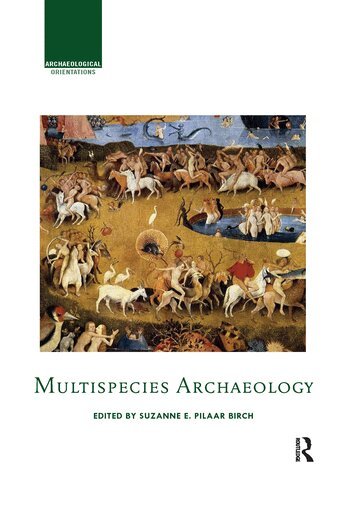
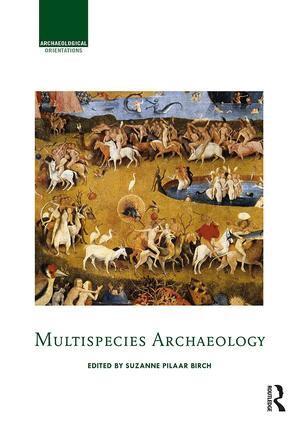
Multispecies Archaeology explores the issue of ecological and cultural novelty in the archaeological record from a multispecies perspective. Human exceptionalism and our place in nature have long been topics of academic consideration and archaeology has been synonymous with an axclusively human past, to the detriment of gaining a more nuanced understanding of one that is shared.Encompassing more than just our relationships with animals, the book considers what we can learn about the human past without humans as the focus of the question. The volume digs deep into our understanding of interaction with plants, fungi, microbes, and even the fundamental building blocks of life, DNA. Multispecies Archaeology examines what it means to be human—and non-human—from a variety of perspectives, providing a new lens through which to view the past.Challenging not only the subject or object of archaeology but also broader disciplinary identities, the volume is a landmark in this new and evolving area of scholarly interest.
Häftad, Engelska, 2019
747 kr
Skickas inom 10-15 vardagar
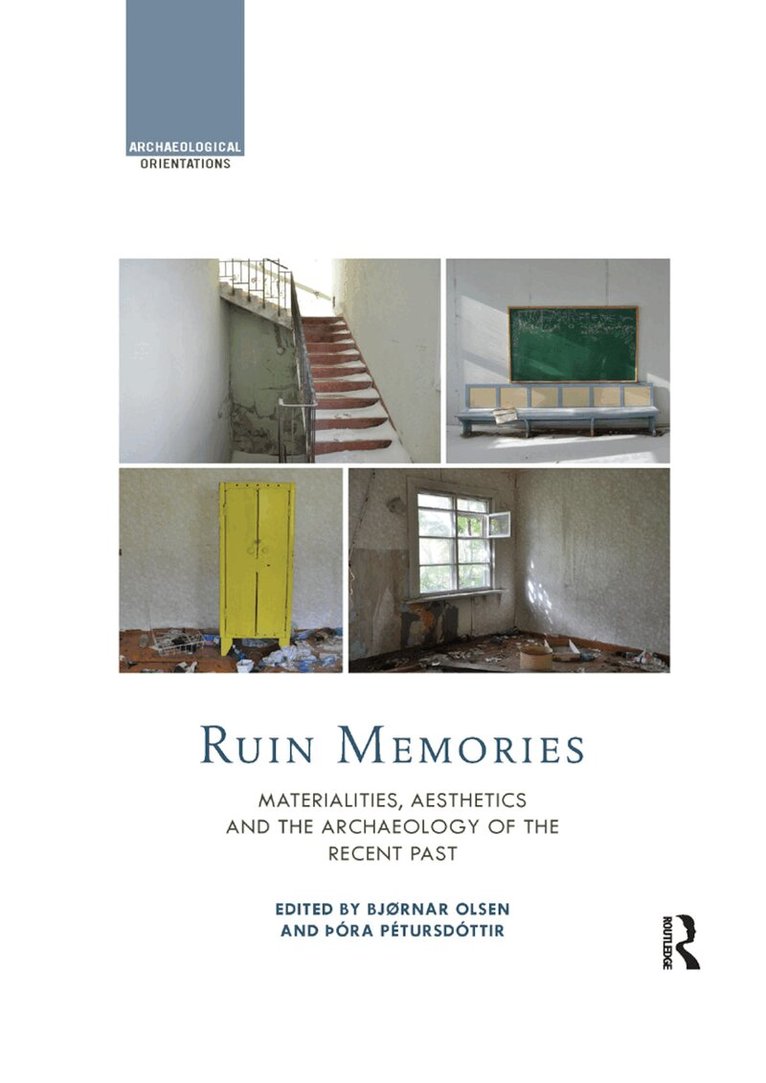
Since the nineteenth century, mass-production, consumerism and cycles of material replacement have accelerated; increasingly larger amounts of things are increasingly victimized rapidly and made redundant. At the same time, processes of destruction have immensely intensified, although largely overlooked when compared to the research and social significance devoted to consumption and production. The outcome is a ruin landscape of derelict factories, closed shopping malls, overgrown bunkers and redundant mining towns; a ghostly world of decaying modern debris normally omitted from academic concerns and conventional histories.The archaeology of the recent or contemporary past has grown fast during the last decade. This development has been concurrent with a broader popular, artistic and scholarly interest in modern ruins in general. Ruin Memories explores how the ruins of modernity are conceived and assigned cultural value in contemporary academic and public discourses, reassesses the cultural and historical value of modern ruins and suggests possible means for reaffirming their cultural and historic significance. Crucial for this reassessment is a concern with decay and ruination, and with the role things play in expressing the neglected, unsuccessful and ineffable. Abandonment and ruination is usually understood negatively through the tropes of loss and deprivation; things are degraded and humiliated while the information, knowledge and memory embedded in them become lost along the way. Without even ignoring its many negative and traumatizing aspects, a main question addressed in this book is whether ruination also can be seen as an act of disclosure. If ruination disturbs the routinized and ready-to-hand, to what extent can it also be seen as a recovery of memory as exposing meanings and presences that perhaps are only possible to grasp at second hand when no longer immersed in their withdrawn and useful reality?Anybody interested
Häftad, Engelska, 2019
747 kr
Skickas inom 10-15 vardagar
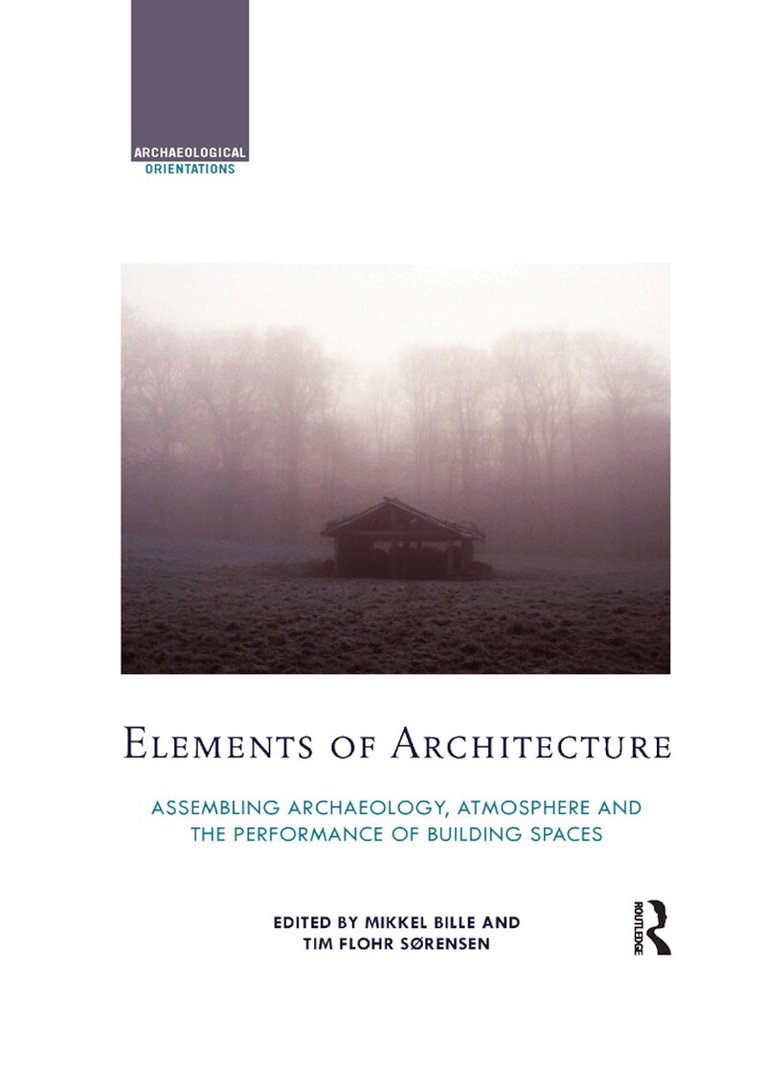
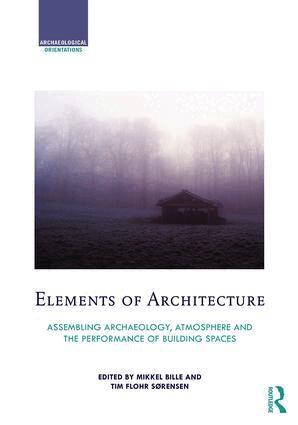
Elements of Architecture explores new ways of engaging architecture in archaeology. It conceives of architecture both as the physical evidence of past societies and as existing beyond the physical environment, considering how people in the past have not just dwelled in buildings but have existed within them. The book engages with the meeting point between these two perspectives. For although archaeologists must deal with the presence and absence of physicality as a discipline, which studies humans through things, to understand humans they must also address the performances, as well as temporal and affective impacts, of these material remains. The contributions in this volume investigate the way time, performance and movement, both physically and emotionally, are central aspects of understanding architectural assemblages. It is a book about the constellations of people, places and things that emerge and dissolve as affective, mobile, performative and temporal engagements. This volume juxtaposes archaeological research with perspectives from anthropology, architecture, cultural geography and philosophy in order to explore the kaleidoscopic intersections of elements coming together in architecture. Documenting the ephemeral, relational, and emotional meeting points with a category of material objects that have defined much research into what it means to be human, Elements of Architecture elucidates and expands upon a crucial body of evidence which allows us to explore the lives and interactions of past societies.
Inbunden, Engelska, 2014
3 777 kr
Skickas inom 10-15 vardagar
Since the nineteenth century, mass-production, consumerism and cycles of material replacement have accelerated; increasingly larger amounts of things are increasingly victimized rapidly and made redundant. At the same time, processes of destruction have immensely intensified, although largely overlooked when compared to the research and social significance devoted to consumption and production. The outcome is a ruin landscape of derelict factories, closed shopping malls, overgrown bunkers and redundant mining towns; a ghostly world of decaying modern debris normally omitted from academic concerns and conventional histories.The archaeology of the recent or contemporary past has grown fast during the last decade. This development has been concurrent with a broader popular, artistic and scholarly interest in modern ruins in general. Ruin Memories explores how the ruins of modernity are conceived and assigned cultural value in contemporary academic and public discourses, reassesses the cultural and historical value of modern ruins and suggests possible means for reaffirming their cultural and historic significance. Crucial for this reassessment is a concern with decay and ruination, and with the role things play in expressing the neglected, unsuccessful and ineffable. Abandonment and ruination is usually understood negatively through the tropes of loss and deprivation; things are degraded and humiliated while the information, knowledge and memory embedded in them become lost along the way. Without even ignoring its many negative and traumatizing aspects, a main question addressed in this book is whether ruination also can be seen as an act of disclosure. If ruination disturbs the routinized and ready-to-hand, to what extent can it also be seen as a recovery of memory as exposing meanings and presences that perhaps are only possible to grasp at second hand when no longer immersed in their withdrawn and useful reality?Anybody interested in the archaeology of the contemporary past will find Ruin Memories an essential guide to the very latest theoretical research in this emerging field of archaeological thought.
Inbunden, Engelska, 2013
3 777 kr
Skickas inom 10-15 vardagar
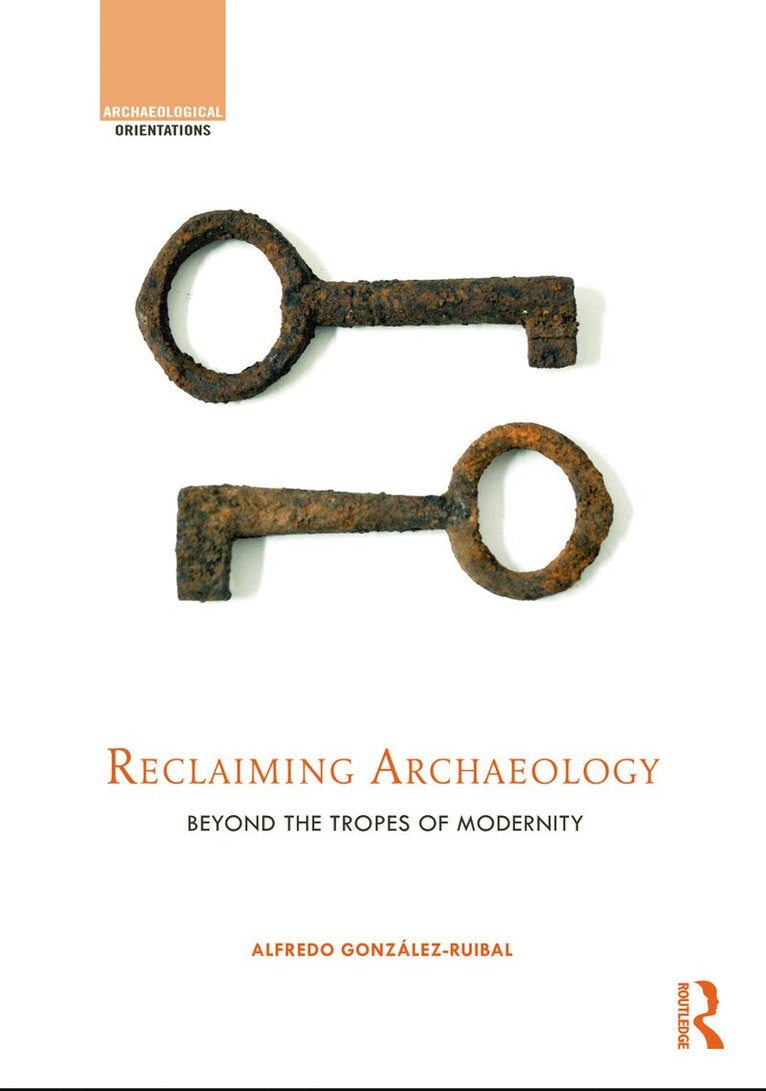
Archaeology has been an important source of metaphors for some of the key intellectuals of the 20th century: Sigmund Freud, Walter Benjamin, Alois Riegl and Michel Foucault, amongst many others. However, this power has also turned against archaeology, because the discipline has been dealt with perfunctorily as a mere provider of metaphors that other intellectuals have exploited. Scholars from different fields continue to explore areas in which archaeologists have been working for over two centuries, with little or no reference to the discipline. It seems that excavation, stratigraphy or ruins only become important at a trans-disciplinary level when people from outside archaeology pay attention to them and somehow dematerialize them. Meanwhile, archaeologists have been usually more interested in borrowing theories from other fields, rather than in developing the theoretical potential of the same concepts that other thinkers find so useful.The time is ripe for archaeologists to address a wider audience and engage in theoretical debates from a position of equality, not of subalternity. Reclaiming Archaeology explores how archaeology can be useful to rethink modernity’s big issues, and more specifically late modernity (broadly understood as the 20th and 21st centuries). The book contains a series of original essays, not necessarily following the conventional academic rules of archaeological writing or thinking, allowing rhetoric to have its place in disclosing the archaeological. In each of the four sections that constitute this book (method, time, heritage and materiality), the contributors deal with different archaeological tropes, such as excavation, surface/depth, genealogy, ruins, fragments, repressed memories and traces. They criticize their modernist implications and rework them in creative ways, in order to show the power of archaeology not just to understand the past, but also the present. Reclaiming Archaeology includes essays from a diverse array of archaeologists who have dealt in one way or another with modernity, including scholars from non-Anglophone countries who have approached the issue in original ways during recent years, as well as contributors from other fields who engage in a creative dialogue with archaeology and the work of archaeologists.
Häftad, Engelska, 2025
605 kr
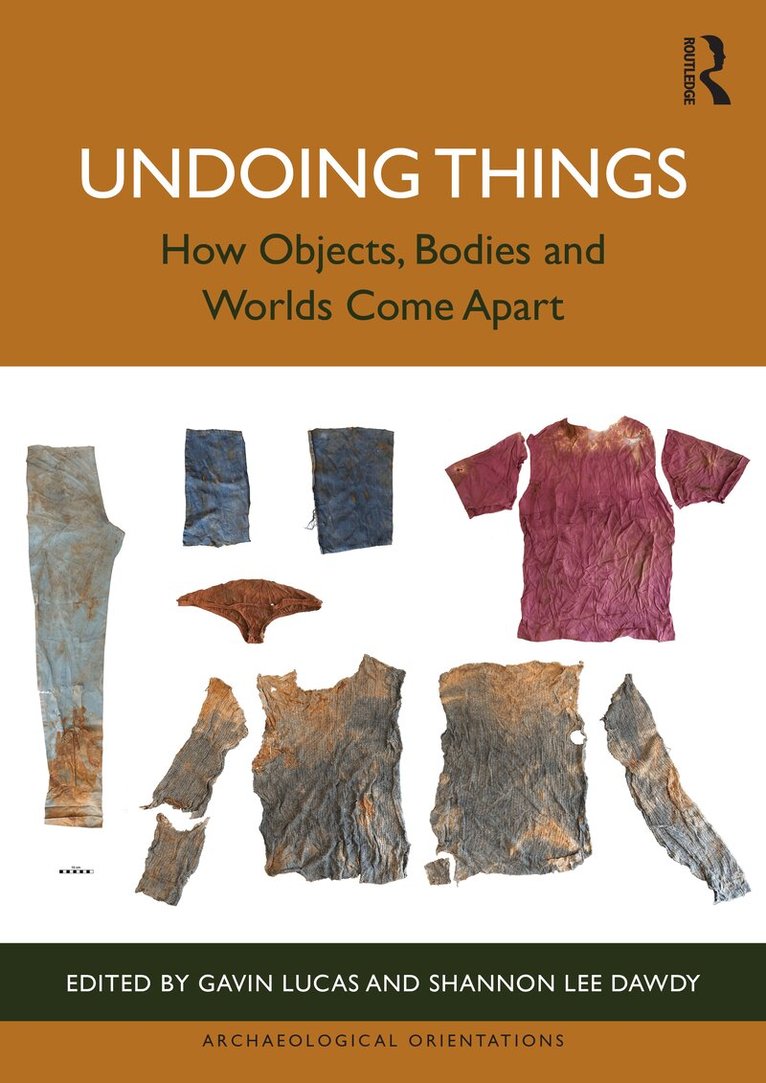
Undoing Things explores all the ways in which things become undone, be they objects, bodies, places, or worlds.Although archaeologists have long attended to the productive dimensions of materiality and material culture as a coherent phenomenon—making objects, building things, constructing identities—the discourse around undoing is more fragmented. Topics such as ruination, death, decay, demolition, and collapse are usually examined separately. Undoing Things asks what connections or continuities can be discerned in a diverse range of practices, both intentional and taphonomic, both destructive and healing. Is there a creative component to undoing? How visible are different processes of undoing? How is time implicated? Is undoing reversible? Who has the power to undo and when is undoing empowering? What does it take to undo knowledge? These and other questions are examined through archaeological studies ranging from classical Maya and colonial Caribbean examples to present-day Liberia, historical and ethnographic approaches to present-day Argentina, and the contemporary art world.In the first quarter of the 21st century, human worlds have experienced a series of ruptures from climate-related disasters, political violence, and the Covid-19 pandemic. Undoing Things helps move us beyond a cloud of chaos with a deeper understanding of how and why things fall apart and is vital reading for archaeologists and those in related disciplines.
Inbunden, Engelska, 2025
2 212 kr
Skickas inom 10-15 vardagar
Undoing Things explores all the ways in which things become undone, be they objects, bodies, places, or worlds.Although archaeologists have long attended to the productive dimensions of materiality and material culture as a coherent phenomenon—making objects, building things, constructing identities—the discourse around undoing is more fragmented. Topics such as ruination, death, decay, demolition, and collapse are usually examined separately. Undoing Things asks what connections or continuities can be discerned in a diverse range of practices, both intentional and taphonomic, both destructive and healing. Is there a creative component to undoing? How visible are different processes of undoing? How is time implicated? Is undoing reversible? Who has the power to undo and when is undoing empowering? What does it take to undo knowledge? These and other questions are examined through archaeological studies ranging from classical Maya and colonial Caribbean examples to present-day Liberia, historical and ethnographic approaches to present-day Argentina, and the contemporary art world.In the first quarter of the 21st century, human worlds have experienced a series of ruptures from climate-related disasters, political violence, and the Covid-19 pandemic. Undoing Things helps move us beyond a cloud of chaos with a deeper understanding of how and why things fall apart and is vital reading for archaeologists and those in related disciplines.
Häftad, Engelska, 2025
718 kr
Skickas inom 10-15 vardagar
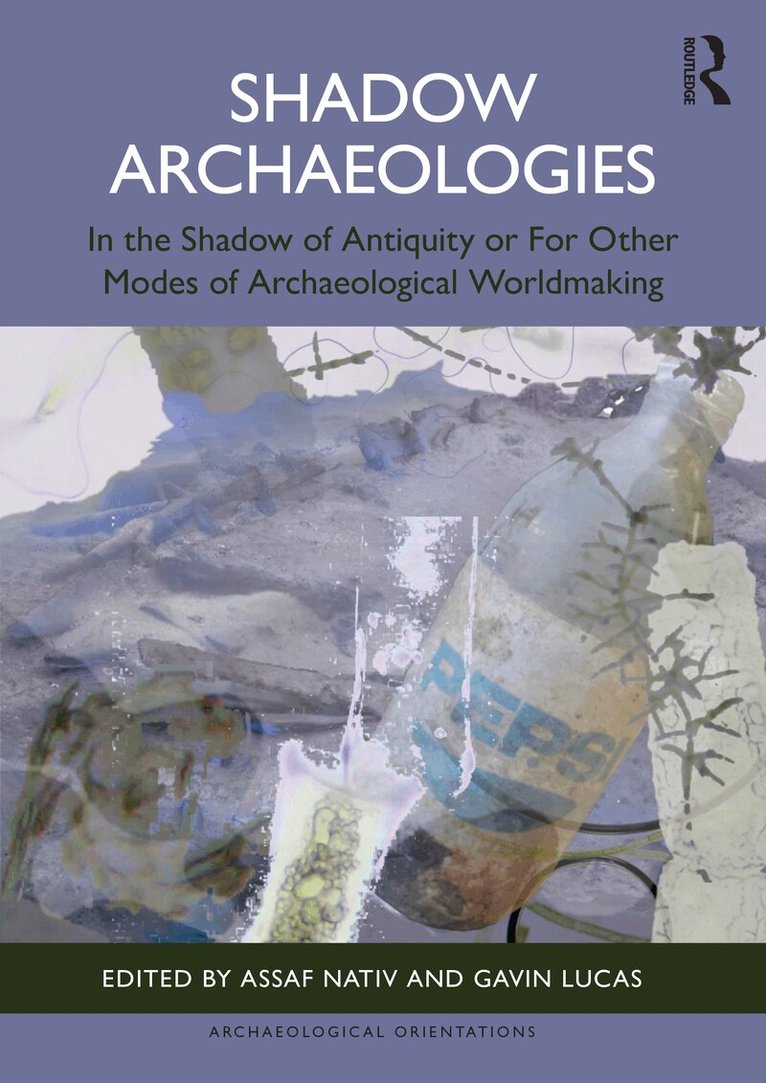
Shadow Archaeologies explores the modes of knowledge production which operate where the light of mainstream, historically oriented archaeology does not reach. It exposes the field’s underbelly and dwells on issues that standard practice ignores or glosses over, questioning what archaeology and the archaeological are or could be.The volume brings together scholars working at the discipline’s theoretical cutting edge to challenge mainstream archaeology in various ways. They engage with the political dimensions of the discipline’s mode of production, develop alternate practices, and conceive of other manifestations of the archaeological object, thus illuminating various ways in which the concept of shadow archaeology can be articulated. After an introduction by the editors, the volume is organised into three parts, which address from different angles the politics, practices, and objects of an archaeology that resides in the shadow of antiquity.While the book will appeal to any archaeologist with an interest in theory, it is also a challenge to all archaeologists to reflect on their discipline and their own working practices and an invitation to join in the discussion about what archaeology might become.
Inbunden, Engelska, 2025
2 212 kr
Skickas inom 10-15 vardagar
Shadow Archaeologies explores the modes of knowledge production which operate where the light of mainstream, historically oriented archaeology does not reach. It exposes the field’s underbelly and dwells on issues that standard practice ignores or glosses over, questioning what archaeology and the archaeological are or could be.The volume brings together scholars working at the discipline’s theoretical cutting edge to challenge mainstream archaeology in various ways. They engage with the political dimensions of the discipline’s mode of production, develop alternate practices, and conceive of other manifestations of the archaeological object, thus illuminating various ways in which the concept of shadow archaeology can be articulated. After an introduction by the editors, the volume is organised into three parts, which address from different angles the politics, practices, and objects of an archaeology that resides in the shadow of antiquity.While the book will appeal to any archaeologist with an interest in theory, it is also a challenge to all archaeologists to reflect on their discipline and their own working practices and an invitation to join in the discussion about what archaeology might become.
Häftad, Engelska, 2016
861 kr
Skickas inom 10-15 vardagar
Archaeology has been an important source of metaphors for some of the key intellectuals of the 20th century: Sigmund Freud, Walter Benjamin, Alois Riegl and Michel Foucault, amongst many others. However, this power has also turned against archaeology, because the discipline has been dealt with perfunctorily as a mere provider of metaphors that other intellectuals have exploited. Scholars from different fields continue to explore areas in which archaeologists have been working for over two centuries, with little or no reference to the discipline. It seems that excavation, stratigraphy or ruins only become important at a trans-disciplinary level when people from outside archaeology pay attention to them and somehow dematerialize them. Meanwhile, archaeologists have been usually more interested in borrowing theories from other fields, rather than in developing the theoretical potential of the same concepts that other thinkers find so useful.The time is ripe for archaeologists to address a wider audience and engage in theoretical debates from a position of equality, not of subalternity. Reclaiming Archaeology explores how archaeology can be useful to rethink modernity’s big issues, and more specifically late modernity (broadly understood as the 20th and 21st centuries). The book contains a series of original essays, not necessarily following the conventional academic rules of archaeological writing or thinking, allowing rhetoric to have its place in disclosing the archaeological. In each of the four sections that constitute this book (method, time, heritage and materiality), the contributors deal with different archaeological tropes, such as excavation, surface/depth, genealogy, ruins, fragments, repressed memories and traces. They criticize their modernist implications and rework them in creative ways, in order to show the power of archaeology not just to understand the past, but also the present. Reclaiming Archaeology includes essays from a diverse array of archaeologists who have dealt in one way or another with modernity, including scholars from non-Anglophone countries who have approached the issue in original ways during recent years, as well as contributors from other fields who engage in a creative dialogue with archaeology and the work of archaeologists.
Häftad, Engelska, 2021
590 kr
Skickas inom 10-15 vardagar
Heritage Ecologies presents an ecological understanding of heritage that furthers a concern for how its making and unmaking always involves a wide range of human and other-than-human actors. Recognizing the entangled nature-cultures of heritage is essential in the Anthropocene era, where uncertainty and rapid environmental change force us to recast common conceptions of inheritance and to envision new strategies for preservation. Heritage sites are meant to be open and shared spaces, and a recurring argument in the cases presented here is that this openness inevitably also overrides our selections, orders and appreciations. Through a diverse range of case studies, the chapters collected in this book aim to explore the affects and memories engendered by diverse heritage ecologies where humans are neither the sole makers nor the only inheritors. The common call is that the experiential, perceptive and informational plenitude enabled through contributions of other-than-human actors is key to an ecological rethinking of heritage in the twenty-first century.Heritage Ecologies is unique in bringing heritage studies into closer proximity with a wide variety of non-representational and object-oriented theories and is an important volume for students and researchers in archaeology and heritage studies.
Inbunden, Engelska, 2021
2 212 kr
Skickas inom 10-15 vardagar
Heritage Ecologies presents an ecological understanding of heritage that furthers a concern for how its making and unmaking always involves a wide range of human and other-than-human actors. Recognizing the entangled nature-cultures of heritage is essential in the Anthropocene era, where uncertainty and rapid environmental change force us to recast common conceptions of inheritance and to envision new strategies for preservation. Heritage sites are meant to be open and shared spaces, and a recurring argument in the cases presented here is that this openness inevitably also overrides our selections, orders and appreciations. Through a diverse range of case studies, the chapters collected in this book aim to explore the affects and memories engendered by diverse heritage ecologies where humans are neither the sole makers nor the only inheritors. The common call is that the experiential, perceptive and informational plenitude enabled through contributions of other-than-human actors is key to an ecological rethinking of heritage in the twenty-first century.Heritage Ecologies is unique in bringing heritage studies into closer proximity with a wide variety of non-representational and object-oriented theories and is an important volume for students and researchers in archaeology and heritage studies.
Inbunden, Engelska, 2019
2 212 kr
Skickas inom 10-15 vardagar
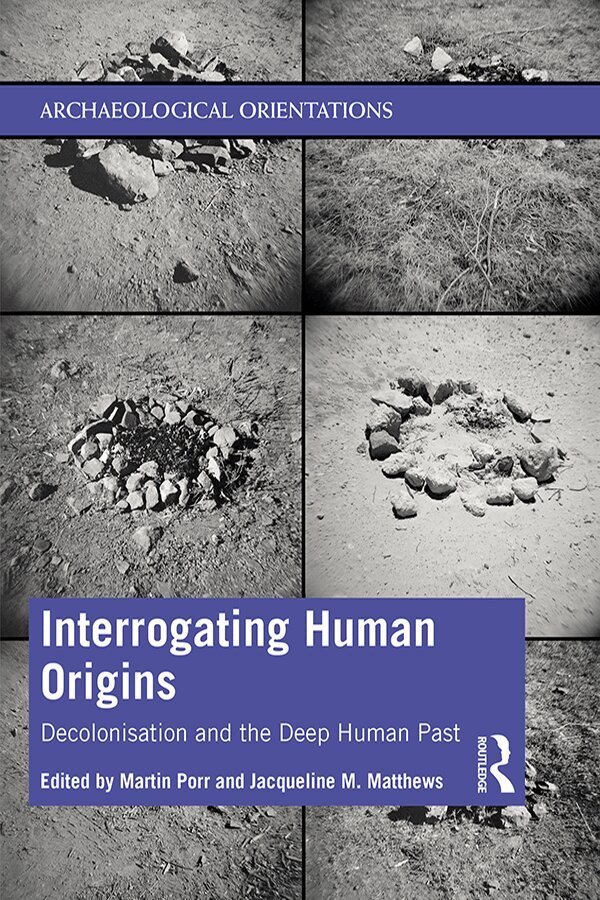
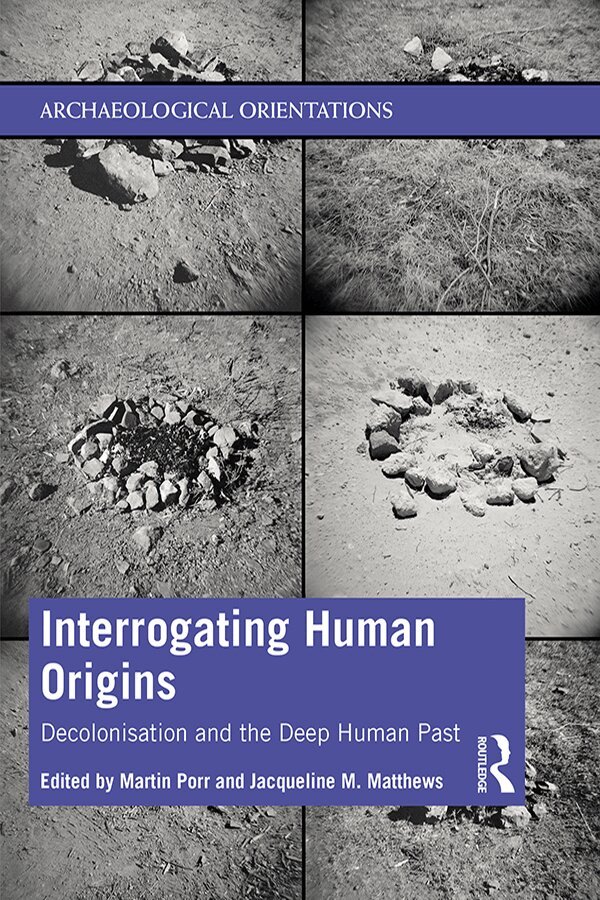
Interrogating Human Origins encourages new critical engagements with the study of human origins, broadening the range of approaches to bring in postcolonial theories, and begin to explore the decolonisation of this complex topic.The collection of chapters presented in this volume creates spaces for expansion of critical and unexpected conversations about human origins research. Authors from a variety of disciplines and research backgrounds, many of whom have strayed beyond their usual disciplinary boundaries to offer their unique perspectives, all circle around the big questions of what it means to be and become human. Embracing and encouraging diversity is a recognition of the deep complexities of human existence in the past and the present, and it is vital to critical scholarship on this topic. This book constitutes a starting point for increased interrogation of the important and wide-ranging field of research into human origins. It will be of interest to scholars across multiple disciplines, and particularly to those seeking to understand our ancient past through a more diverse lens.
Häftad, Engelska, 2019
605 kr
Skickas inom 10-15 vardagar
Interrogating Human Origins encourages new critical engagements with the study of human origins, broadening the range of approaches to bring in postcolonial theories, and begin to explore the decolonisation of this complex topic.The collection of chapters presented in this volume creates spaces for expansion of critical and unexpected conversations about human origins research. Authors from a variety of disciplines and research backgrounds, many of whom have strayed beyond their usual disciplinary boundaries to offer their unique perspectives, all circle around the big questions of what it means to be and become human. Embracing and encouraging diversity is a recognition of the deep complexities of human existence in the past and the present, and it is vital to critical scholarship on this topic. This book constitutes a starting point for increased interrogation of the important and wide-ranging field of research into human origins. It will be of interest to scholars across multiple disciplines, and particularly to those seeking to understand our ancient past through a more diverse lens.
Inbunden, Engelska, 2016
3 635 kr
Skickas inom 10-15 vardagar
Elements of Architecture explores new ways of engaging architecture in archaeology. It conceives of architecture both as the physical evidence of past societies and as existing beyond the physical environment, considering how people in the past have not just dwelled in buildings but have existed within them. The book engages with the meeting point between these two perspectives. For although archaeologists must deal with the presence and absence of physicality as a discipline, which studies humans through things, to understand humans they must also address the performances, as well as temporal and affective impacts, of these material remains. The contributions in this volume investigate the way time, performance and movement, both physically and emotionally, are central aspects of understanding architectural assemblages. It is a book about the constellations of people, places and things that emerge and dissolve as affective, mobile, performative and temporal engagements. This volume juxtaposes archaeological research with perspectives from anthropology, architecture, cultural geography and philosophy in order to explore the kaleidoscopic intersections of elements coming together in architecture. Documenting the ephemeral, relational, and emotional meeting points with a category of material objects that have defined much research into what it means to be human, Elements of Architecture elucidates and expands upon a crucial body of evidence which allows us to explore the lives and interactions of past societies.
Inbunden, Engelska, 2018
3 493 kr
Skickas inom 10-15 vardagar
Multispecies Archaeology explores the issue of ecological and cultural novelty in the archaeological record from a multispecies perspective. Human exceptionalism and our place in nature have long been topics of academic consideration and archaeology has been synonymous with an axclusively human past, to the detriment of gaining a more nuanced understanding of one that is shared.Encompassing more than just our relationships with animals, the book considers what we can learn about the human past without humans as the focus of the question. The volume digs deep into our understanding of interaction with plants, fungi, microbes, and even the fundamental building blocks of life, DNA. Multispecies Archaeology examines what it means to be human—and non-human—from a variety of perspectives, providing a new lens through which to view the past.Challenging not only the subject or object of archaeology but also broader disciplinary identities, the volume is a landmark in this new and evolving area of scholarly interest.