Bjørnar Olsen - Böcker
Visar alla böcker från författaren Bjørnar Olsen. Handla med fri frakt och snabb leverans.
11 produkter
11 produkter
2 150 kr
Skickas inom 10-15 vardagar
After Discourse is an interdisciplinary response to the recent trend away from linguistic and textual approaches and towards things and their affects.The new millennium brought about serious changes to the intellectual landscape. Favoured approaches associated with the linguistic and the textual turn lost some of their currency, and were followed by a new curiosity and concern for things and their natures. Gathering contributions from archaeology, heritage studies, history, geography, literature and philosophy, After Discourse offers a range of reflections on what things are, how we become affected by them, and the ethical concerns they give rise to. Through a varied constellation of case studies, it explores ways of dealing with matters which fall outside, become othered from, or simply cannot be grasped through perspectives derived solely from language and discourse.After Discourse provides challenging new perspectives for scholars and students interested in other-than-textual encounters between people and the objects with which we share the world.
579 kr
Skickas inom 10-15 vardagar
After Discourse is an interdisciplinary response to the recent trend away from linguistic and textual approaches and towards things and their affects.The new millennium brought about serious changes to the intellectual landscape. Favoured approaches associated with the linguistic and the textual turn lost some of their currency, and were followed by a new curiosity and concern for things and their natures. Gathering contributions from archaeology, heritage studies, history, geography, literature and philosophy, After Discourse offers a range of reflections on what things are, how we become affected by them, and the ethical concerns they give rise to. Through a varied constellation of case studies, it explores ways of dealing with matters which fall outside, become othered from, or simply cannot be grasped through perspectives derived solely from language and discourse.After Discourse provides challenging new perspectives for scholars and students interested in other-than-textual encounters between people and the objects with which we share the world.
733 kr
Skickas inom 10-15 vardagar
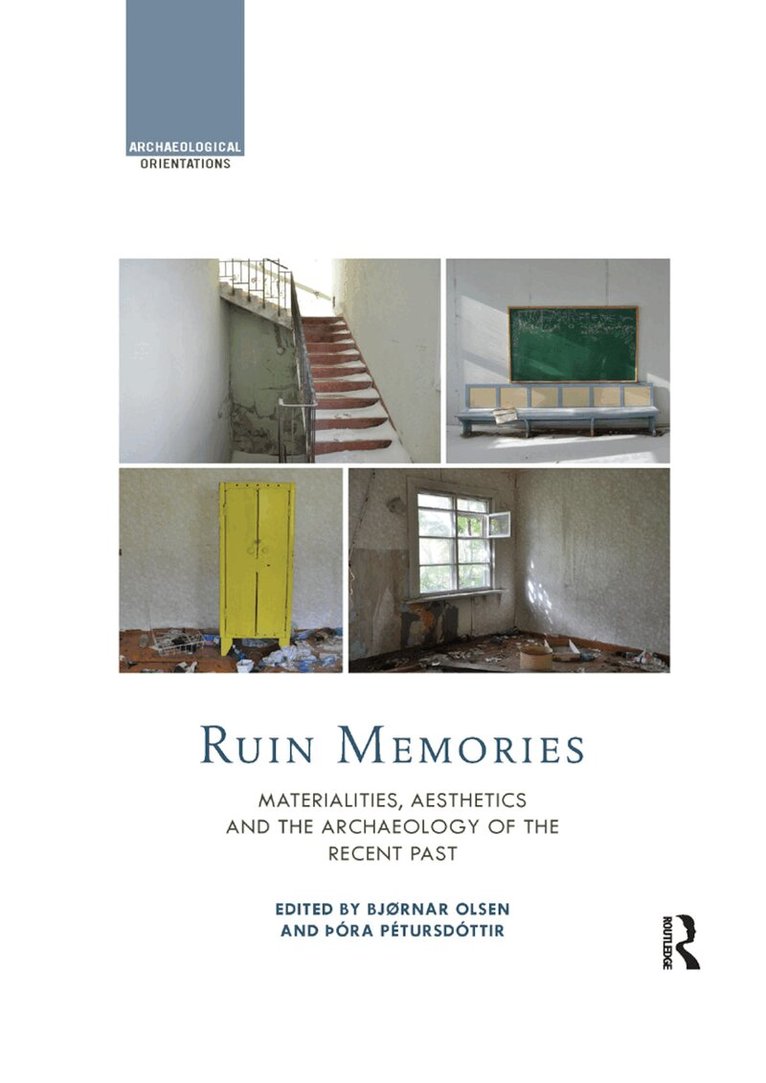
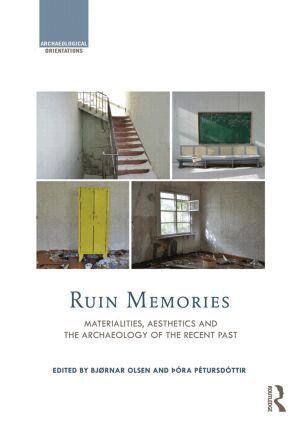
Since the nineteenth century, mass-production, consumerism and cycles of material replacement have accelerated; increasingly larger amounts of things are increasingly victimized rapidly and made redundant. At the same time, processes of destruction have immensely intensified, although largely overlooked when compared to the research and social significance devoted to consumption and production. The outcome is a ruin landscape of derelict factories, closed shopping malls, overgrown bunkers and redundant mining towns; a ghostly world of decaying modern debris normally omitted from academic concerns and conventional histories.The archaeology of the recent or contemporary past has grown fast during the last decade. This development has been concurrent with a broader popular, artistic and scholarly interest in modern ruins in general. Ruin Memories explores how the ruins of modernity are conceived and assigned cultural value in contemporary academic and public discourses, reassesses the cultural and historical value of modern ruins and suggests possible means for reaffirming their cultural and historic significance. Crucial for this reassessment is a concern with decay and ruination, and with the role things play in expressing the neglected, unsuccessful and ineffable. Abandonment and ruination is usually understood negatively through the tropes of loss and deprivation; things are degraded and humiliated while the information, knowledge and memory embedded in them become lost along the way. Without even ignoring its many negative and traumatizing aspects, a main question addressed in this book is whether ruination also can be seen as an act of disclosure. If ruination disturbs the routinized and ready-to-hand, to what extent can it also be seen as a recovery of memory as exposing meanings and presences that perhaps are only possible to grasp at second hand when no longer immersed in their withdrawn and useful reality?Anybody interested
Ruin Memories
Materialities, Aesthetics and the Archaeology of the Recent Past
Inbunden, Engelska, 2014
3 635 kr
Skickas inom 10-15 vardagar
Since the nineteenth century, mass-production, consumerism and cycles of material replacement have accelerated; increasingly larger amounts of things are increasingly victimized rapidly and made redundant. At the same time, processes of destruction have immensely intensified, although largely overlooked when compared to the research and social significance devoted to consumption and production. The outcome is a ruin landscape of derelict factories, closed shopping malls, overgrown bunkers and redundant mining towns; a ghostly world of decaying modern debris normally omitted from academic concerns and conventional histories.The archaeology of the recent or contemporary past has grown fast during the last decade. This development has been concurrent with a broader popular, artistic and scholarly interest in modern ruins in general. Ruin Memories explores how the ruins of modernity are conceived and assigned cultural value in contemporary academic and public discourses, reassesses the cultural and historical value of modern ruins and suggests possible means for reaffirming their cultural and historic significance. Crucial for this reassessment is a concern with decay and ruination, and with the role things play in expressing the neglected, unsuccessful and ineffable. Abandonment and ruination is usually understood negatively through the tropes of loss and deprivation; things are degraded and humiliated while the information, knowledge and memory embedded in them become lost along the way. Without even ignoring its many negative and traumatizing aspects, a main question addressed in this book is whether ruination also can be seen as an act of disclosure. If ruination disturbs the routinized and ready-to-hand, to what extent can it also be seen as a recovery of memory as exposing meanings and presences that perhaps are only possible to grasp at second hand when no longer immersed in their withdrawn and useful reality?Anybody interested in the archaeology of the contemporary past will find Ruin Memories an essential guide to the very latest theoretical research in this emerging field of archaeological thought.
615 kr
Skickas inom 7-10 vardagar
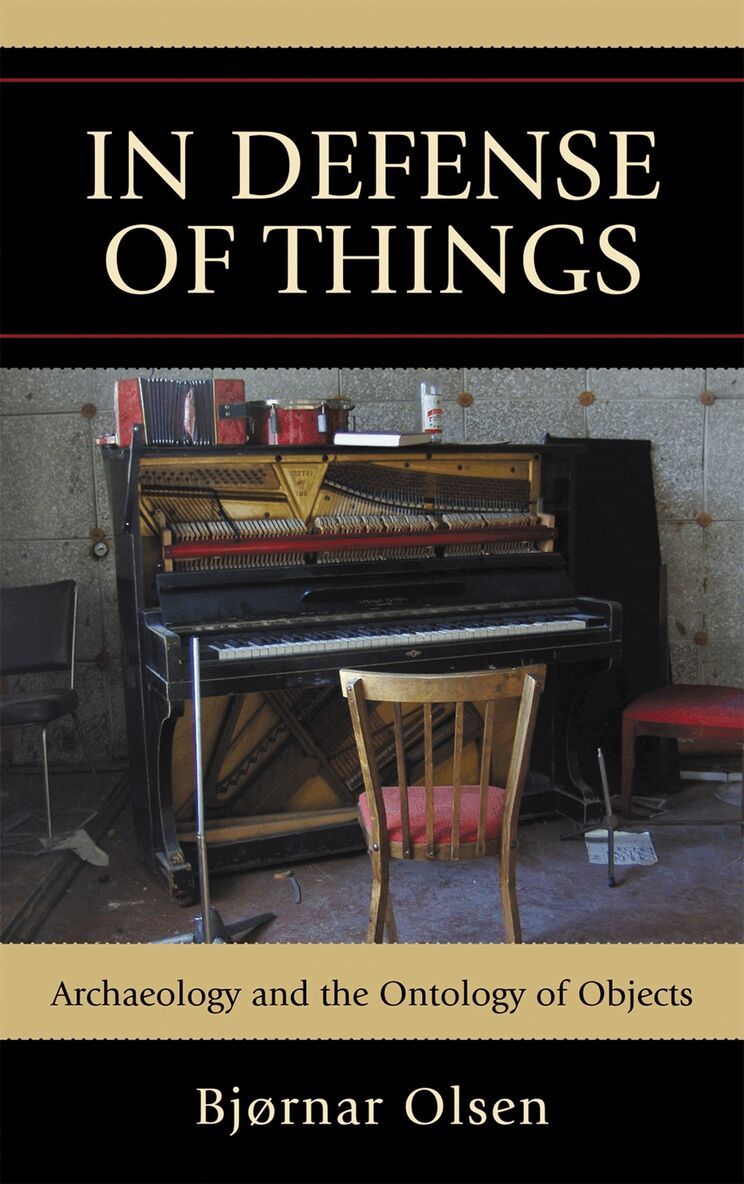
Archaeology has always been marked by its particular care, obligation, and loyalty to things. While archaeologists may not share similar perspectives or practices, they find common ground in their concern for objects monumental and mundane. This book considers the myriad ways that archaeologists engage with things in order to craft stories, both big and small, concerning our relations with materials and the nature of the past. Literally the "science of old things", archaeology does not discover the past as it was but must work with what remains. Such work involves the tangible mediation of past and present, of people and their cultural fabric, for things cannot be separated from society. Things are us. This book does not set forth a sweeping new theory. It does not seek to transform the discipline of archaeology. Rather, it aims to understand precisely what archaeologists do and to urge practitioners toward a renewed focus on and care for things.
290 kr
Skickas inom 7-10 vardagar
Archaeology has always been marked by its particular care, obligation, and loyalty to things. While archaeologists may not share similar perspectives or practices, they find common ground in their concern for objects monumental and mundane. This book considers the myriad ways that archaeologists engage with things in order to craft stories, both big and small, concerning our relations with materials and the nature of the past. Literally the "science of old things", archaeology does not discover the past as it was but must work with what remains. Such work involves the tangible mediation of past and present, of people and their cultural fabric, for things cannot be separated from society. Things are us. This book does not set forth a sweeping new theory. It does not seek to transform the discipline of archaeology. Rather, it aims to understand precisely what archaeologists do and to urge practitioners toward a renewed focus on and care for things.
1 343 kr
Skickas inom 10-15 vardagar
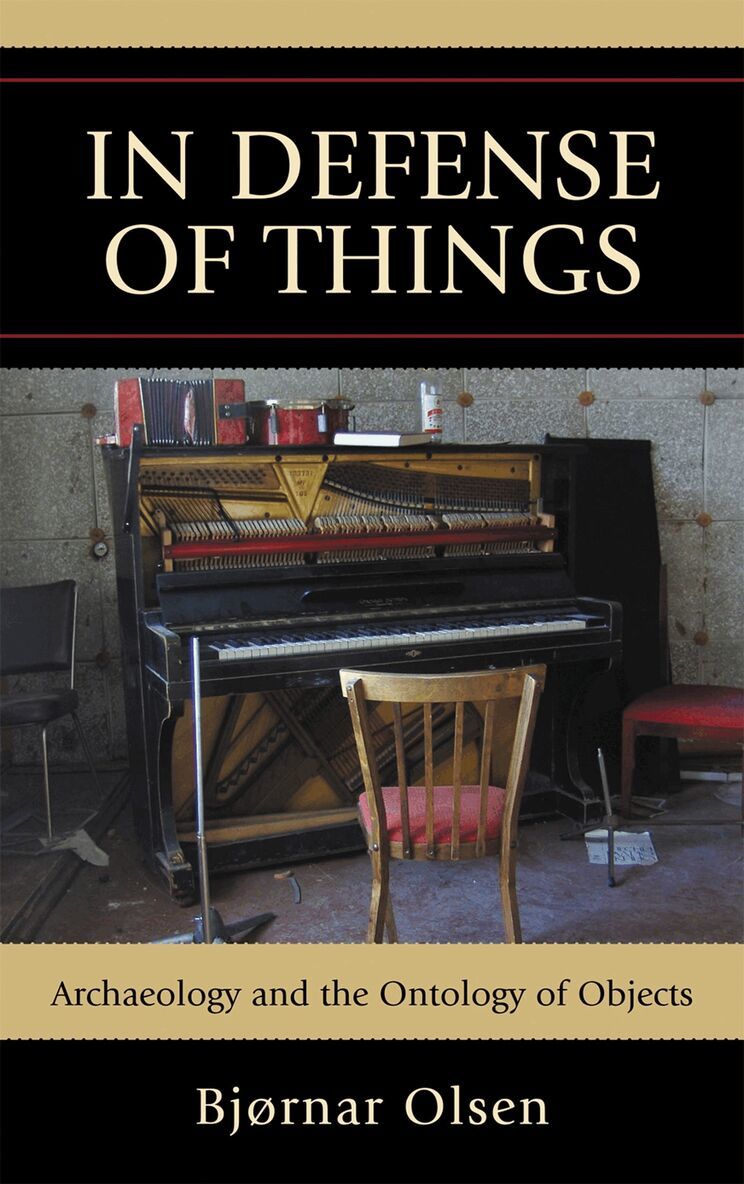
In much recent thinking, social and cultural realms are thought of as existing prior to—or detached from—things, materiality, and landscape. It is often assumed, for example, that things are entirely 'constructed' by social or cultural perceptions and have no existence in and of themselves. Bjornar Olsen takes a different position. Drawing on a range of theories, especially phenomenology and actor-network-theory, Olsen claims that human life is fully mixed up with things and that humanity and human history emerge from such relationships. Things, moreover, possess unique qualities that are inherent in our cohabitation with them—qualities that help to facilitate existential security and memory of the past. This important work of archaeological theory challenges us to reconsider our ideas about the nature of things, past and present, demonstrating that objects themselves possess a dynamic presence that we must take into account if we are to understand the world we and they inhabit.
541 kr
Skickas inom 10-15 vardagar
In much recent thinking, social and cultural realms are thought of as existing prior to—or detached from—things, materiality, and landscape. It is often assumed, for example, that things are entirely 'constructed' by social or cultural perceptions and have no existence in and of themselves. Bjornar Olsen takes a different position. Drawing on a range of theories, especially phenomenology and actor-network-theory, Olsen claims that human life is fully mixed up with things and that humanity and human history emerge from such relationships. Things, moreover, possess unique qualities that are inherent in our cohabitation with them—qualities that help to facilitate existential security and memory of the past. This important work of archaeological theory challenges us to reconsider our ideas about the nature of things, past and present, demonstrating that objects themselves possess a dynamic presence that we must take into account if we are to understand the world we and they inhabit.
Del 63 - Northern World
Hunters in Transition
An Outline of Early Sámi History
Inbunden, Engelska, 2013
2 669 kr
Skickas inom 5-8 vardagar
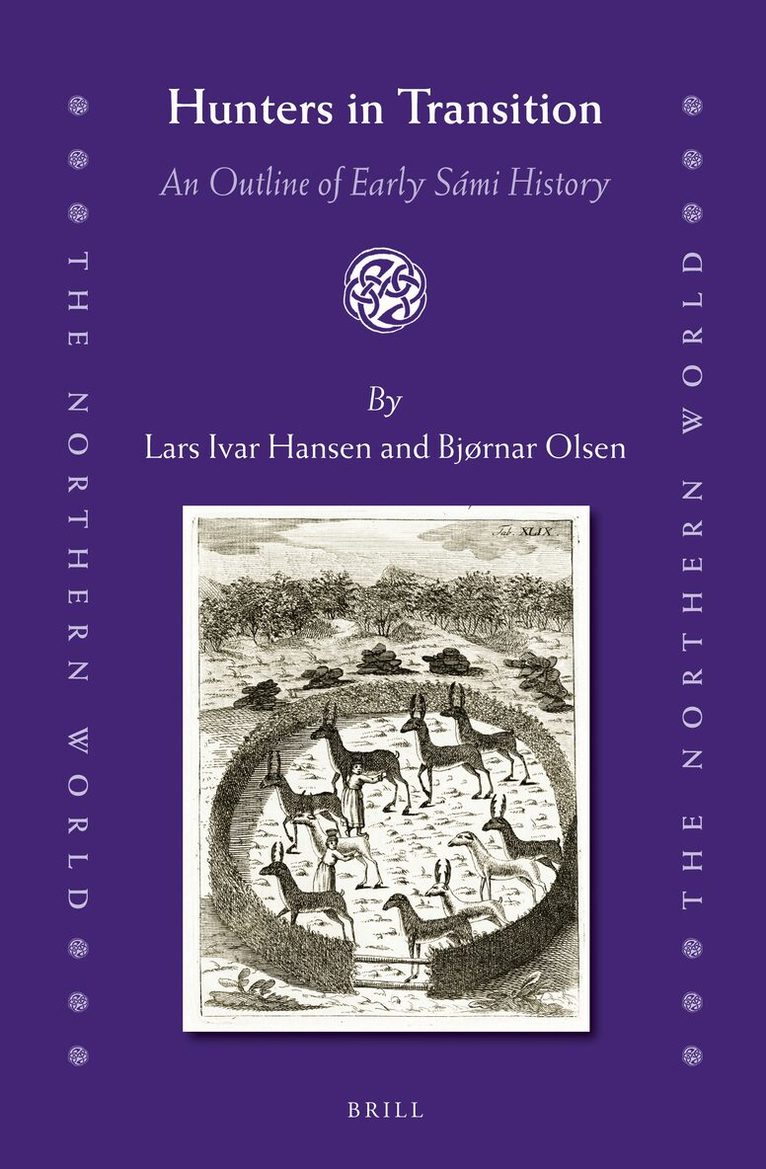
Hunters in Transition provides a new outline of the early history of the Sámi, the indigenous population of northernmost Europe. Discussing crucial issues such as the formation of Sámi ethnicity, interaction with chieftain and state societies, and the transition from hunting to reindeer herding, the book departs from the common trope whereby native encounters with other cultures, state societies, and “modernity”, are depicted mainly in negative terms. Far from always victimizing “the other”, the interaction with outside societies played a crucial role in generating and maintaining a number of features considered integral to Sámi culture. At the same time the authors also emphasize internal processes and dynamics and show how these have greatly contributed to the diverse historical trajectories with which this book is concerned.Listed by Choice magazine as one of the Outstanding Academic Titles of 2014
429 kr
Skickas
I den här boken ger författaren en introduktion till det teoretiska tänkandet inom arkeologin. På ett lättillgängligt sätt presenterar han olika teoretiska riktningar och deras syn på förhållandet mellan teori och data, på samhälle och förändring, på materiell kultur och på arkeologins roll i samhället. Frågor som ställs är: - Kan vi få säker kunskap om forntiden? - Vad styr vårt val av fakta och hur tolkar vi dessa? - Hur ska vi förklara sociala och ekonomiska förändringar? - Är det möjligt att få veta hur en förhistorisk människa tänkte? - Kan materiell kultur analyseras som språk eller text? - Var går gränsen mellan vetenskap och politik? Boken är avsedd att vara en introduktion i teori för arkeologistudenter på universitet och högskolor, men är givande även för andra med intresse för arkeologi och teoretisk debatt.
1 194 kr
Skickas
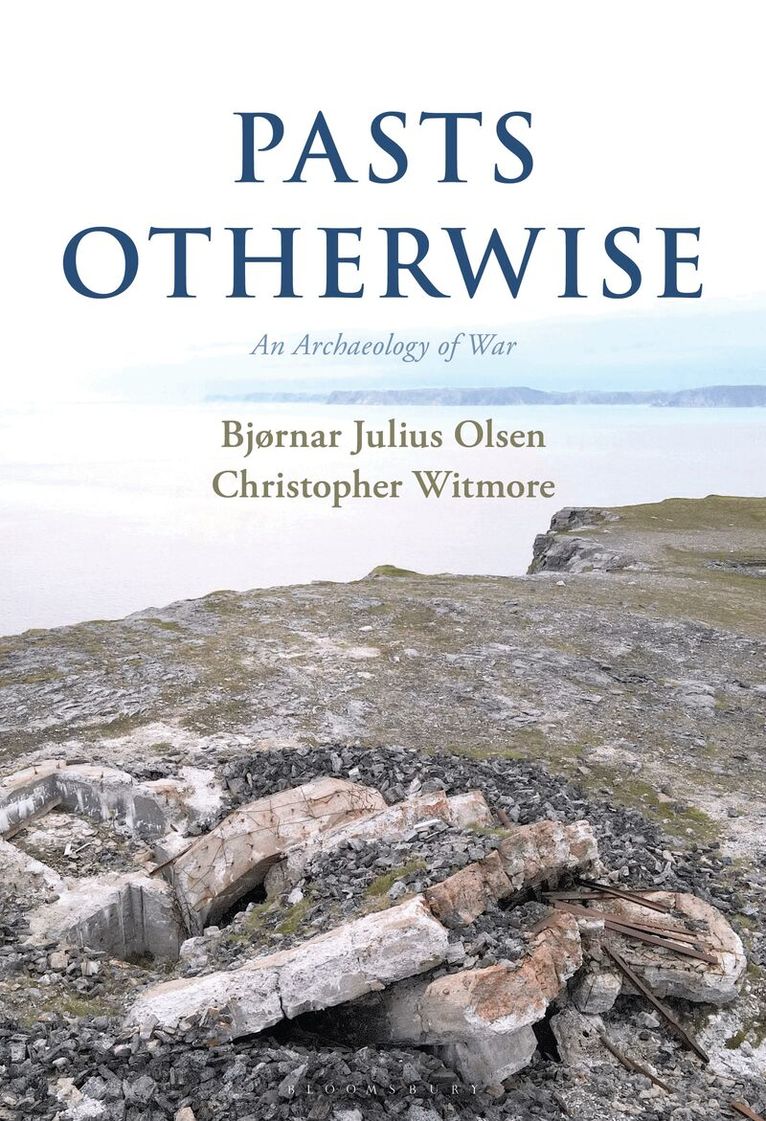
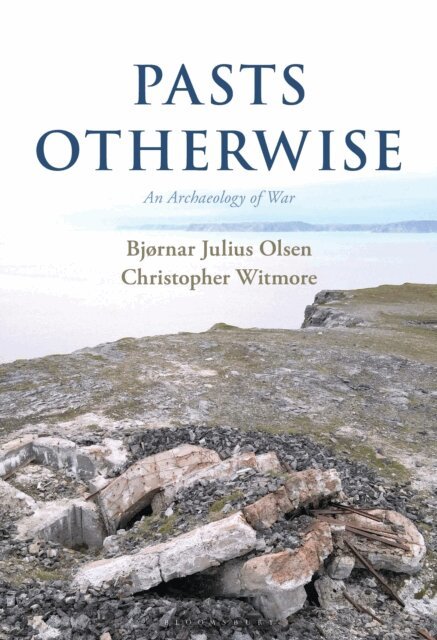
Unleash archaeology’s potential by turning toward pasts that resist historical time and reveal the power of an archaeology other than history.History has long shaped our expectations of what the past is and how it should be recalled, written, and displayed. Thus while objects of all ages endure and accumulate around us—often broken and fragmented—we continue to interpret them through historical tropes of completion, succession, and replacement. What if we were to see this indiscriminate persistence and fragmentation not as archaeological defects to be mended by history and historical narration, but as material expressions suggestive of pasts other than history? What might these other pasts look like, and how might we account for them?In this book, Bjørnar Olsen and Christopher Witmore pursue these questions. Drawing on more than a decade of fieldwork at Sværholt—an abandoned fishing hamlet, Wehrmacht artillery battery, and prisoner-of-war camp in Arctic Norway—they explore what difference archaeology can make when working with objects of war routinely saturated by history. Through meticulous material investigations, novel ways of writing, and striking imagery, the authors open glimpses onto the distinctive pasts that forgotten things remember. In attending to what endures above and below the surface, they also confront central challenges of archaeological thought and interpretation, developing new conceptions of presence, patience, and waiting. The result is a bold and compelling vision of what archaeology might yet become.