• Fri frakt över 249 kr
  • •
  • Snabba leveranser
  • •
  • Billiga böcker
Kundservice

Du är på sajten för privatpersoner.

Företag, bibliotek eller offentlig verksamhet?

Du handlar på classic.bokus.com, där alla dina funktioner finns intakta.
Till classic.bokus.com
Bokus logotyp. Gå till startsidan.
  • Erbjudanden
  • Nyheter
  • Student
  • Topplistor
  • Barn & ungdom
  • Bokus Play
  • E-böcker
  • Pocketböcker
  • Spel & pussel

10% rabatt på allt med kod: NYSTART10 →

Sidfot

Mina sidor

    Hjälp

    • Kundservice
    • Vanliga frågor och svar
    • Frakt och leverans
    • Retur vid ångerrätt
    • Reklamera vara
    • Betalning
    • Köpvillkor
    • Allmänna villkor
    • Information om webbplatsens tillgänglighet

    Om Bokus

    • Om oss
    • Pressrum
    • För studenter
    • För företag
    • För bibliotek och offentlig verksamhet
    • För leverantörer
    • Hållbarhet

    Populärt

    • Aktuella erbjudanden
    • Presentkort
    • Studentlitteratur
    • Nya böcker
    • Topplistor
    • Signerade böcker
    • Engelska böcker

    Inspiration

    • Boktips
    • BookTok
    • Populära bokserier
    • Barnbokskaraktärer
    • Populära författare
    Logotyp för Bokus
    Följ oss på Facebook (extern länk)Följ oss på Instagram (extern länk)Följ oss på YouTube (extern länk)Följ oss på TikTok (extern länk)
    bokus @ CookiesAnpassa cookiesIntegritetspolicyKöpvillkor
    Till Citymail hemsida (extern länk)Till Budbee hemsida (extern länk)Till Postnord hemsida (extern länk)Till Schenker hemsida (extern länk)Till Early Bird hemsida (extern länk)Till Walleys hemsida (extern länk)
    1. Psykologi och pedagogik
    2. Pedagogik
    3. Undervisning i specifika ämnen

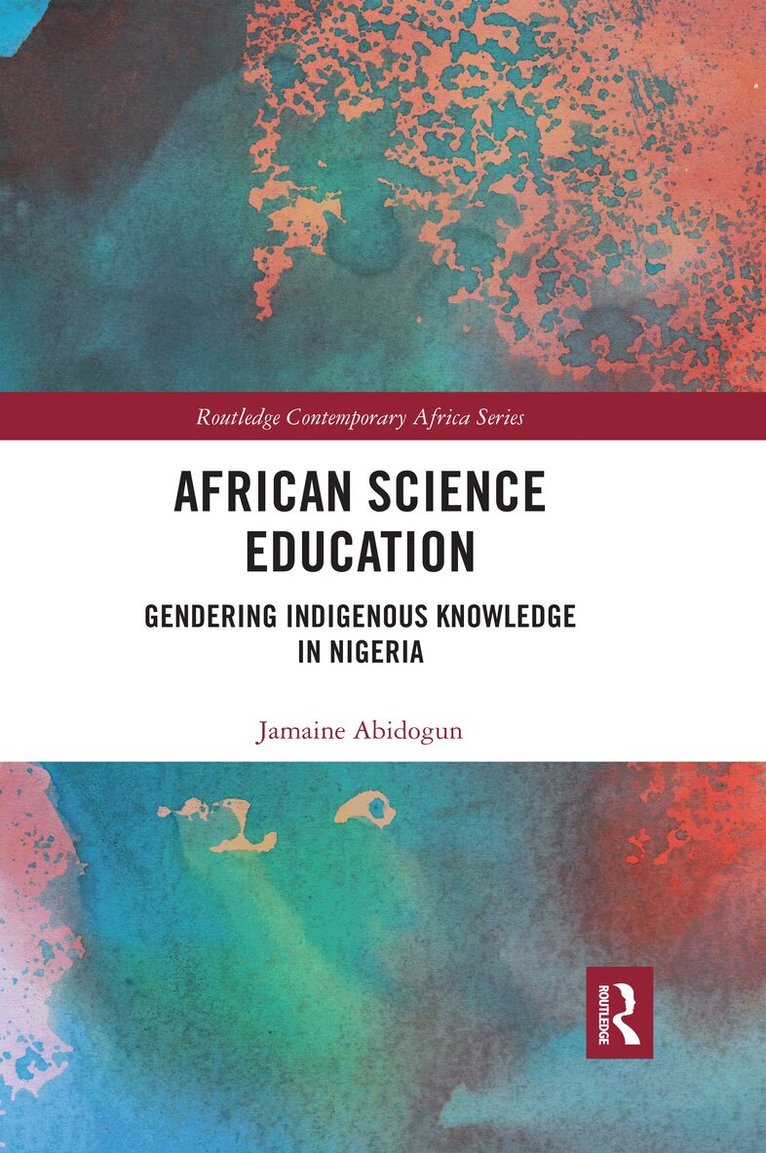
    African Science Education

    Gendering Indigenous Knowledge in Nigeria

    AvJamaine Abidogun

    Häftad, Engelska, 2020

    Del i serien Routledge Contemporary Africa

    667 kr

    Beställningsvara. Skickas inom 10-15 vardagar. Fri frakt över 249 kr.

    Beskrivning

    Based on interrogation and review of historical and current cultural and indigenous knowledge combined with extensive curriculum and classroom analysis, this book identifies how indigenous science gender roles may be utilized to provide a more gender balanced and indigenous centered learning experience.The book argues for the integration of African indigenous science into the secondary school curriculum as a way to strengthen students’ science comprehension by affirming their society’s science contributions, making clear connections between Indigenous and Western science, and also as a way to promote female representation in the sciences. This book will be of interest to scholars and practitioners of science education, African education, and indigenous knowledge.

    Produktinformation

    • Utgivningsdatum:2020-08-14
    • Mått:156 x 234 x 12 mm
    • Vikt:453 g
    • Format:Häftad
    • Språk:Engelska
    • Serie:Routledge Contemporary Africa
    • Antal sidor:218
    • Förlag:Taylor & Francis Ltd
    • ISBN:9780367591953

    Utforska kategorier

    • Undervisning i specifika ämnen inom Psykologi och pedagogik
    • Naturvetenskap:allmänt inom Naturvetenskap och teknik

    Mer om författaren

    Jamaine Abidogun is Professor Emeritus of African and African-American Studies & Education at the Missouri State University, USA.

    Innehållsförteckning

    • Table of ContentsIntroduction: African Science Education: Gendering Indigenous Knowledge in Nigeria – Jamaine AbidogunChapter 1: Where are the Girls? – Jamaine AbidogunChapter 2: Indigenous Knowledge: Its Role in Education – Steve WillisChapter 3: Igbo Indigenous Science: An Ethnobiologist Perspective – Fred Ozioko and Felix I. NwaforChapter 4: Going to School: Nsukka Education Context – Nkiru Ohia and Jamaine AbidogunChapter 5: The Shalom Dream: Nigerian Based Education – Victoria Onu and Jamaine AbidogunChapter 6: Gendered Narratives – Sarah NixonChapter 7: Integrating Indigenous Science and Technology into the Curriculum – Georgianna SaundersChapter 8: Creating Gender Parity: Igbo Women’s Indigenous Science Knowledge Practice – Winifred Nwaefido ObasiChapter 9: Conclusion: Gendering Science through Syncretic Education – Jamaine AbidogunAppendix: Interview, Focus Group, and Journal ProtocolsIndex