• Fri frakt över 249 kr
  • •
  • Snabba leveranser
  • •
  • Billiga böcker
Kundservice

Du är på sajten för privatpersoner.

Företag, bibliotek eller offentlig verksamhet?

Du handlar på classic.bokus.com, där alla dina funktioner finns intakta.
Till classic.bokus.com
Bokus logotyp. Gå till startsidan.
  • Erbjudanden
  • Nyheter
  • Student
  • Topplistor
  • Barn & ungdom
  • Bokus Play
  • E-böcker
  • Pocketböcker
  • Spel & pussel

10% rabatt på allt med kod: NYSTART10 →

Sidfot

Mina sidor

    Hjälp

    • Kundservice
    • Vanliga frågor och svar
    • Frakt och leverans
    • Retur vid ångerrätt
    • Reklamera vara
    • Betalning
    • Köpvillkor
    • Allmänna villkor
    • Information om webbplatsens tillgänglighet

    Om Bokus

    • Om oss
    • Pressrum
    • För studenter
    • För företag
    • För bibliotek och offentlig verksamhet
    • För leverantörer
    • Hållbarhet

    Populärt

    • Aktuella erbjudanden
    • Presentkort
    • Studentlitteratur
    • Nya böcker
    • Topplistor
    • Signerade böcker
    • Engelska böcker

    Inspiration

    • Boktips
    • BookTok
    • Populära bokserier
    • Barnbokskaraktärer
    • Populära författare
    Logotyp för Bokus
    Följ oss på Facebook (extern länk)Följ oss på Instagram (extern länk)Följ oss på YouTube (extern länk)Följ oss på TikTok (extern länk)
    bokus @ CookiesAnpassa cookiesIntegritetspolicyKöpvillkor
    Till Citymail hemsida (extern länk)Till Budbee hemsida (extern länk)Till Postnord hemsida (extern länk)Till Schenker hemsida (extern länk)Till Early Bird hemsida (extern länk)Till Walleys hemsida (extern länk)
    1. Samhälle och politik
    2. Sociologi och antropologi
    3. Antropologi

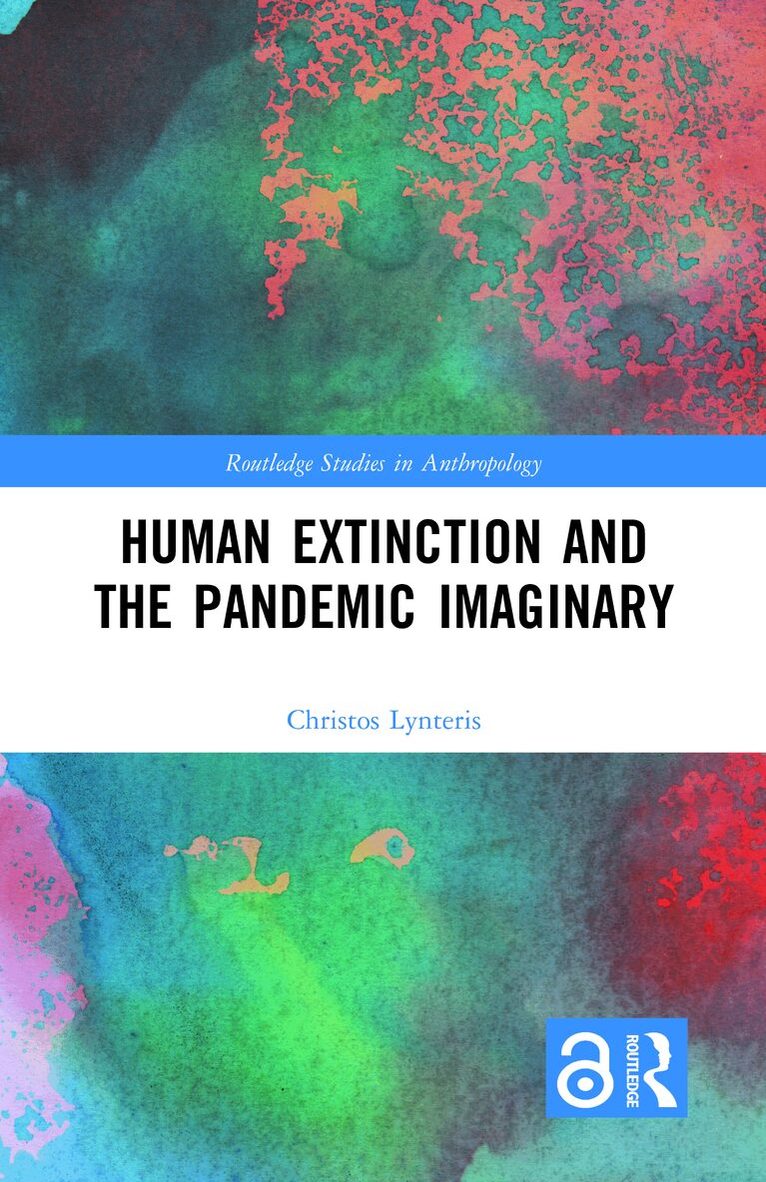
    Human Extinction and the Pandemic Imaginary

    AvChristos Lynteris

    Häftad, Engelska, 2021

    Del i serien Routledge Studies in Anthropology

    709 kr

    Beställningsvara. Skickas inom 10-15 vardagar. Fri frakt över 249 kr.

    Fler format och utgåvor

    Inbunden

    2 421 kr

    Beskrivning

    This book develops an examination and critique of human extinction as a result of the ‘next pandemic’ and turns attention towards the role of pandemic catastrophe in the renegotiation of what it means to be human. Nested in debates in anthropology, philosophy, social theory and global health, the book argues that fear of and fascination with the ‘next pandemic’ stem not so much from an anticipation of a biological extinction of the human species, as from an expectation of the loss of mastery over human/non-humanl relations. Christos Lynteris employs the notion of the ‘pandemic imaginary’ in order to understand the way in which pandemic-borne human extinction refashions our understanding of humanity and its place in the world. The book challenges us to think how cosmological, aesthetic, ontological and political aspects of pandemic catastrophe are intertwined. The chapters examine the vital entanglement of epidemiological studies, popular culture, modes of scientific visualisation, and pandemic preparedness campaigns. This volume will be relevant for scholars and advanced students of anthropology as well as global health, and for many others interested in catastrophe, the ‘end of the world’ and the (post)apocalyptic.

    Produktinformation

    • Utgivningsdatum:2021-04-01
    • Mått:156 x 234 x 16 mm
    • Vikt:300 g
    • Format:Häftad
    • Språk:Engelska
    • Serie:Routledge Studies in Anthropology
    • Antal sidor:178
    • Förlag:Taylor & Francis Ltd
    • ISBN:9780367776886

    Utforska kategorier

    • Antropologi inom Samhälle och politik

    Mer om författaren

    Christos Lynteris is Senior Lecturer in Social Anthropology at the University of St Andrews, UK. His books for Routledge include Plague and the City (2018) and The Anthropology of Epidemics (2019).

    Recensioner i media

    "Lynteris’ book shows clear connections between available narratives to experience biological emergencies and the measures at hand to handle a pandemic. By showing the wide span of the pandemic imaginary, and the way it is adopted and used by many different actors in western society, the book opens the door to continue exploring the significance of the apparently superfluous and its impact on our experienced reality. But ultimately, the book is at its most inspiring in its depiction of humanity’s struggle to reinvent itself in relation to our environment. This is a struggle that we witness not only during pandemic times, but also more generally, as we face the environmental challenges resulting from the Anthropocene and its extractive relation to earth and nonhuman animals." --Jose A. Cañada, Postdoctoral Researcher Faculty of Social Sciences University of Helsinki

    Innehållsförteckning

    • Introduction: the end of mastery1.The end of the world as We Do Not Know It2. Zoonotic transformations3. Anthropogenesis reversed4. The epidemiologist as culture hero5. The post-pandemic conditionConclusion: catastrophism beyond closureBibliography