• Fri frakt över 249 kr
  • •
  • Snabba leveranser
  • •
  • Billiga böcker
Kundservice

Du är på sajten för privatpersoner.

Företag, bibliotek eller offentlig verksamhet?

Du handlar på classic.bokus.com, där alla dina funktioner finns intakta.
Till classic.bokus.com
Bokus logotyp. Gå till startsidan.
  • Erbjudanden
  • Nyheter
  • Student
  • Topplistor
  • Barn & ungdom
  • Bokus Play
  • E-böcker
  • Pocketböcker
  • Spel & pussel

10% rabatt på allt med kod NYSTART10 →

Sidfot

Mina sidor

    Hjälp

    • Kundservice
    • Vanliga frågor och svar
    • Frakt och leverans
    • Retur vid ångerrätt
    • Reklamera vara
    • Betalning
    • Köpvillkor
    • Allmänna villkor
    • Information om webbplatsens tillgänglighet

    Om Bokus

    • Om oss
    • Pressrum
    • För studenter
    • För företag
    • För bibliotek och offentlig verksamhet
    • För leverantörer
    • Hållbarhet

    Populärt

    • Aktuella erbjudanden
    • Presentkort
    • Studentlitteratur
    • Nya böcker
    • Topplistor
    • Signerade böcker
    • Engelska böcker

    Inspiration

    • Boktips
    • BookTok
    • Populära bokserier
    • Barnbokskaraktärer
    • Populära författare
    Logotyp för Bokus
    Följ oss på Facebook (extern länk)Följ oss på Instagram (extern länk)Följ oss på YouTube (extern länk)Följ oss på TikTok (extern länk)
    bokus @ CookiesAnpassa cookiesIntegritetspolicyKöpvillkor
    Till Citymail hemsida (extern länk)Till Budbee hemsida (extern länk)Till Postnord hemsida (extern länk)Till Schenker hemsida (extern länk)Till Early Bird hemsida (extern länk)Till Walleys hemsida (extern länk)
    1. Ekonomi och Ledarskap
    2. Nationalekonomi
    3. Internationell ekonomi

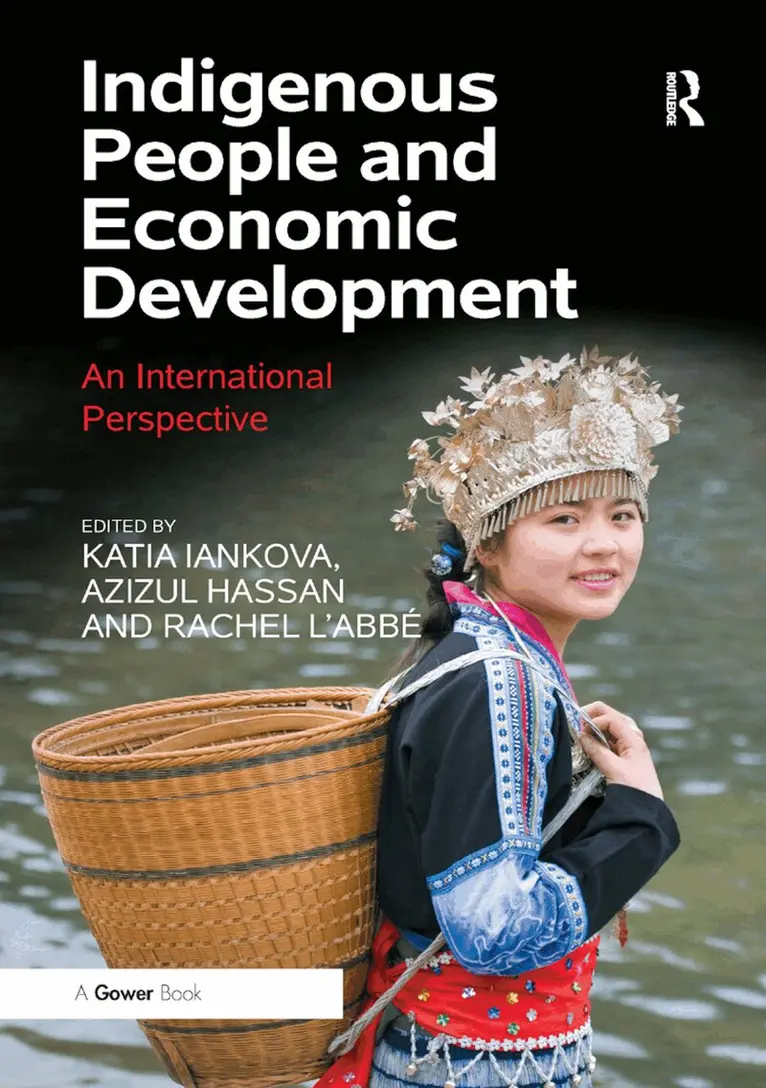
    Indigenous People and Economic Development

    An International Perspective

    AvKatia Iankova,Azizul Hassan

    Häftad, Engelska, 2019

    625 kr

    Beställningsvara. Skickas inom 10-15 vardagar. Fri frakt över 249 kr.

    Beskrivning

    Indigenous peoples are an intrinsic part of countries like Australia, New Zealand, Canada, Finland, USA, India, Russia and almost all parts of South America and Africa. A considerable amount of research has been done during the twentieth century mainly by anthropologists, sociologists and linguists in order to describe, and document their traditional life style for the protection and safeguarding of their established knowledge, skills, languages and beliefs. These communities are engaging and adapting rapidly to the changing circumstances partly caused by post modernisation and the process of globalization. These have led them to aspire to better living standards, as well as preserving their uniqueness, approaches to environment, close proximity to social structures and communities. For at least the last two decades, patterns of increased economic activity by indigenous peoples in many countries have been viewed to be significantly on the rise. Indigenous People and Economic Development reveals some of the characteristics of this economic activity, 'coloured' by the unique regard and philosophy of life that indigenous people around the world have. The successes, difficulties and obstacles to economic development, their solutions and innovative practices in business - all of these elements, based on research findings, are discussed in this book and offer an inside view of the dynamics of the indigenous societies which are evolving in a globalised and highly interconnected contemporary world.

    Produktinformation

    • Utgivningsdatum:2019-12-12
    • Mått:174 x 246 x 20 mm
    • Vikt:670 g
    • Format:Häftad
    • Språk:Engelska
    • Antal sidor:364
    • Förlag:Taylor & Francis Ltd
    • ISBN:9780367879570

    Utforska kategorier

    • Internationell ekonomi inom Ekonomi och Ledarskap
    • Etnicitet inom Samhälle och politik

    Mer om författaren

    Katia Iankova is a Senior Lecturer in Tourism at the University of Greenwich. She has a PhD in Urban Studies from the University of Quebec, Canada. Katia is a specialist in Indigenous studies and is a frequent contributor to books and journal articles on tourism and indigenous peoples. Azizul Hassan (MA) is a visiting lecturer of the Business School at the University of Greenwich and a member of the Tourism Consultants Network of the Tourism Society. His main area of research interests are focused on ethnography and tourism. Rachel L’Abee is a PhD in Sociology from the University of Quebec, Canada. She is the founding president the Sustainable Destinations Consultancy, a firm dealing with the sustainable development of tourist destinations in Latin American countries.

    Innehållsförteckning

    • Part 1 Socio-Economic Development and Institutional Planning: Socioeconomic dynamics of Aboriginal communities in Quebec. Contrasting indigenous and non-indigenous ways of thinking about capacity building for achieving sustainable development. Planning sustainable development within ancestral domains: indigenous people's perceptions in the Philippines. Government programs and indigenous business in the Bundjalung Nation, Australia. Part 2 Indigenous Enterprise: From passive consumers to entrepreneurs: building a political context for economic development in an Anishinabe community, QC. Culture-based enterprise opportunities for indigenous people in the Northern Territory, Australia. Institutional arrangements and sustainable livelihoods: the experience of an indigenous community in Taiwan. The role of elders in indigenous economic development: the case of Kaumatua on Maori enterprises of Aotearoa, New Zealand. Factors influencing the creation of enterprises and success of young indigenous entrepreneurs in Quebec and Labrador, Canada. Part 3 Sustainability and Indigenous Tourism: Entrepreneurship in an indigenous community: sustainable tourism and economic development in a newly inscribed UNESCO World Heritage Site. Developing a sustainable indigenous tourism sector: reconciling socio-economic objectives with market driven approaches. An assessment of community-based ecotourism impacts: a case study of the San/Basarwa communities of the Kalahari, Botswana. Aboriginal culture in indigenous tourism management in Central Australia. Part 4 Poverty Alleviation and Economic Development: Poverty alleviation and indigenous communities in Peninsular Malaysia. A composition of variable economic activities: cases of three groups of indigenous peoples of South Asia. Raffia palm industry in N