• Fri frakt över 249 kr
  • •
  • Snabba leveranser
  • •
  • Billiga böcker
Kundservice

Du är på sajten för privatpersoner.

Företag, bibliotek eller offentlig verksamhet?

Du handlar på classic.bokus.com, där alla dina funktioner finns intakta.
Till classic.bokus.com
Bokus logotyp. Gå till startsidan.
  • Erbjudanden
  • Nyheter
  • Student
  • Topplistor
  • Barn & ungdom
  • Bokus Play
  • E-böcker
  • Pocketböcker
  • Spel & pussel

10% rabatt på allt med kod NYSTART10 →

Sidfot

Mina sidor

    Hjälp

    • Kundservice
    • Vanliga frågor och svar
    • Frakt och leverans
    • Retur vid ångerrätt
    • Reklamera vara
    • Betalning
    • Köpvillkor
    • Allmänna villkor
    • Information om webbplatsens tillgänglighet

    Om Bokus

    • Om oss
    • Pressrum
    • För studenter
    • För företag
    • För bibliotek och offentlig verksamhet
    • För leverantörer
    • Hållbarhet

    Populärt

    • Aktuella erbjudanden
    • Presentkort
    • Studentlitteratur
    • Nya böcker
    • Topplistor
    • Signerade böcker
    • Engelska böcker

    Inspiration

    • Boktips
    • BookTok
    • Populära bokserier
    • Barnbokskaraktärer
    • Populära författare
    Logotyp för Bokus
    Följ oss på Facebook (extern länk)Följ oss på Instagram (extern länk)Följ oss på YouTube (extern länk)Följ oss på TikTok (extern länk)
    bokus @ CookiesAnpassa cookiesIntegritetspolicyKöpvillkor
    Till Citymail hemsida (extern länk)Till Budbee hemsida (extern länk)Till Postnord hemsida (extern länk)Till Schenker hemsida (extern länk)Till Early Bird hemsida (extern länk)Till Walleys hemsida (extern länk)
    1. Naturvetenskap och teknik
    2. Geovetenskap
    3. Regional planering

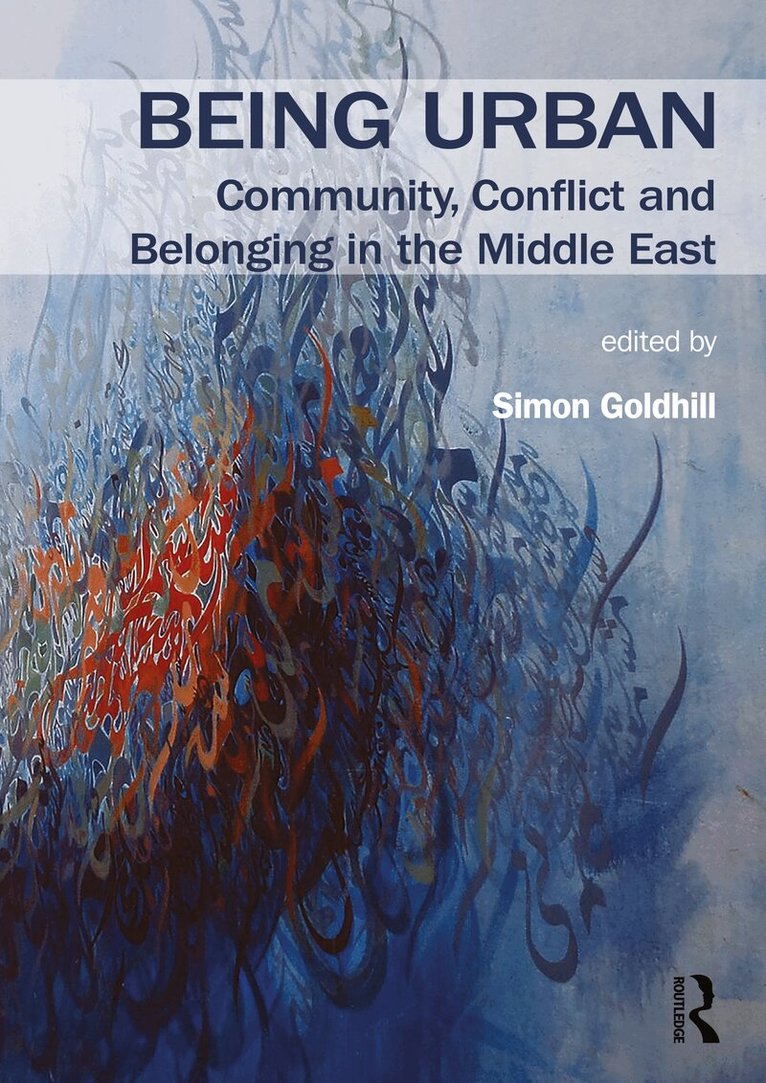
    Being Urban

    Community, Conflict and Belonging in the Middle East

    AvSimon Goldhill

    Inbunden, Engelska, 2020

    Del i serien Planning, History and Environment Series

    1 468 kr

    Beställningsvara. Skickas inom 10-15 vardagar. Fri frakt över 249 kr.

    Beskrivning

    In Being Urban, Simon Goldhill and his team of outstanding urbanists explore the meaning of the urban condition, with particular reference to the Middle East. As Goldhill explains in his introduction, ‘What is a good city?’, five questions motivate the book:How can a city be systematically planned and yet maintain a possibility of flexibility, change, and the wellbeing of citizens?How does the city represent itself to itself, and image its past, its present and its future?What is it to dwell in, and experience, a city?How does violence erupt in and to a city, and what strategies of reconciliation and reconstruction can be employed?And finally, what is the relationship between the infrastructure of the city and the political process?Following the introduction, the twelve chapters are grouped into four sections: Engagement and Space; Infrastructure and Space; Conflict and Structures; and Curating the City. Through each chapter, the contributors reflect on aspects of urban infrastructure and culture, citizenship, belonging and exclusion, politics and conflict, with examples from across the Middle East, from Cairo to Tehran, Tel Aviv to Istanbul.Not only will Being Urban further understanding of the topography of citizenship in the Middle East and beyond, it will also contribute to answering one of today’s key questions: What Is A Good City?

    Produktinformation

    • Utgivningsdatum:2020-09-07
    • Mått:174 x 246 x 20 mm
    • Vikt:700 g
    • Format:Inbunden
    • Språk:Engelska
    • Serie:Planning, History and Environment Series
    • Antal sidor:280
    • Förlag:Taylor & Francis Ltd
    • ISBN:9780367898465

    Utforska kategorier

    • Regional planering inom Naturvetenskap och teknik
    • Sociala grupper och identitet inom Samhälle och politik

    Mer om författaren

    Simon Goldhill is Professor of Greek at the University of Cambridge, Fellow of King’s College, and Foreign Secretary and Vice-President of the British Academy.

    Recensioner i media

    "A tour de force, Being Urban is a masterful, comprehensive study of urban space and the development of cities in the Middle East, resulting from a series of seminars at the University of Cambridge. Here, 16 acclaimed urbanists bring their expertise to bear on the question: what is a good city? Although the book offers an overview of some of the major metropolitan areas of the Middle East, its real contribution lies in its wealth of erudition for the appreciation of cultural credentials, not only in the region but also across global space in its entirety. The references alone are worthy of real attention. This is a necessary read for sociologists, architects, and cultural anthropologists who can identify with the high level of thought brought to bear here."S. R. Silverburg, Professor Emeritus, Catawba College

    Innehållsförteckning

    • Acknowledgements, The Contributors, Introduction: What Is a Good City? Simon Goldhill, PART I ENGAGEMENT AND SPACE Chapter 1 The Public Realm Richard Sennett, Chapter 2 On Urban Failure Ash Amin, Chapter 3 On the Possibility of Urban Citizenship: Inclusive Identitities, Exclusive Spaces Nezar AlSayyad and Sujin Eom, PART II INFRASTRUCTURE AND AFFECT Chapter 4 Urban Atmospheres Matthew Gandy, Chapter 5 Atmospheric Urban Geopolitics Sara Fregonese, Chapter 6 Becoming a Crowd: Multiple Narratives, Identities and Ambiguities: People's Places in the Near East/Levant: Tahrir Square, Cairo, Taksim Square, Istanbul, Rabin Square, Tel Aviv Mike Turner and Yonka ErkanPART III CONFLICT AND STRUCTURE Chapter 7 The Conditions of Urbicide Wendy Pullan, Chapter 8 Sovereignty and the Urban Question: Exploring the Material Foundations for Imagined Communities of Allegiance in Conflict Cities Diane E. Davis, Chapter 9 Precariousness and Protest: Negotiating Urban Refuge in Cairo and Tel Aviv Irit KatzPART IV CURATING THE CITY Chapter 10 The Levantine Age: Cosmopolitanism and Colonialism in the Eastern Mediterranean Nasser Rabbat Chapter 11 Excavating Urban Imaginaries in Tehran Somaiyeh Falahat, Chapter 12 A Spectral Sumud: Jaffa in Kamal Aljafari's Port of Memory Mezna Qato and Sadia Shirazi, Index