Inbunden, Engelska, 2007
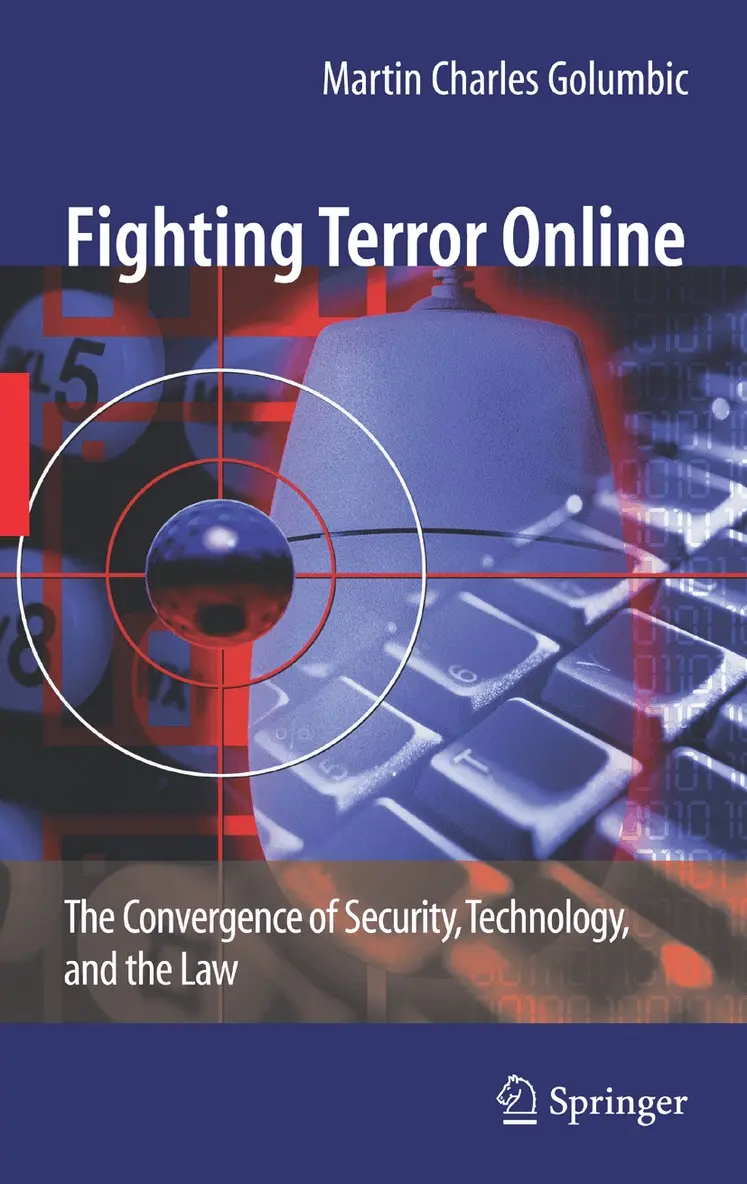
Fighting Terror Online
557 kr
Skickas inom 10-15 vardagar
Beskrivning
This book ?nds its roots in the horror that engulfed us all around the globe as we experienced and watched with disbelief the events of September 11, 2001. Naturally, policy-makers around the world rushed to examine their law enforcement capabilities and the suitability of these tools to the new war on terror. This examination resulted in a wave of legislation around the world, aimed at increasing the power of law enforcement agencies. The digital environment was a major focus of these regulatory and legis- tive attempts. Given the horror of the events and the haste to provide law enforcement agencies with the best tools possible to ?ght the new threat, policy-makers moved forward without much public discussion. Legis- tors around the world rushed to do the same. No real public debate took place before the USA PATRIOT Act was approved by Congress, 6 weeks 1 after 9/11. Our concern is that the public’s voice is also needed in this process.
Produktinformation
- Utgivningsdatum: 2007-11-07
- Mått: 156 x 235 x 13 mm
- Vikt: 454 g
- Format: Inbunden
- Språk: Engelska
- Antal sidor: 178
- Förlag: Springer-Verlag New York Inc.
- ISBN: 9780387735771
Utforska kategorier
Betyg & recensioner
0 recensioner
Inga recensioner tillgängliga.