• Fri frakt över 249 kr
  • •
  • Snabba leveranser
  • •
  • Billiga böcker
Kundservice

Du är på sajten för privatpersoner.

Företag, bibliotek eller offentlig verksamhet?

Du handlar på classic.bokus.com, där alla dina funktioner finns intakta.
Till classic.bokus.com
Bokus logotyp. Gå till startsidan.
  • Erbjudanden
  • Student
  • Topplistor
  • Barn & ungdom
  • Bokus Play
  • E-böcker
  • Ljudböcker
  • Pocketböcker
  • Spel och pussel

5% studentrabatt – använd koden KURSBOK27 →

Sidfot

Mina sidor

    Hjälp

    • Kundservice
    • Vanliga frågor och svar
    • Frakt och leverans
    • Retur vid ångerrätt
    • Reklamera vara
    • Betalning
    • Köpvillkor
    • Allmänna villkor
    • Information om webbplatsens tillgänglighet

    Om Bokus

    • Om oss
    • Pressrum
    • För studenter
    • För företag
    • För bibliotek och offentlig verksamhet
    • För leverantörer
    • Hållbarhet

    Populärt

    • Aktuella erbjudanden
    • Presentkort
    • Studentlitteratur
    • Nya böcker
    • Topplistor
    • Signerade böcker
    • Engelska böcker

    Inspiration

    • Boktips
    • BookTok
    • Barnbokskaraktärer
    • Populära författare
    Logotyp för Bokus
    Följ oss på Facebook (extern länk)Följ oss på Instagram (extern länk)Följ oss på YouTube (extern länk)Följ oss på TikTok (extern länk)
    bokus @ CookiesAnpassa cookiesIntegritetspolicyKöpvillkor
    Till Citymail hemsida (extern länk)Till Budbee hemsida (extern länk)Till Postnord hemsida (extern länk)Till Schenker hemsida (extern länk)Till Early Bird hemsida (extern länk)Till Walleys hemsida (extern länk)
    1. Naturvetenskap och teknik
    2. Geovetenskap
    3. Miljövetenskap och miljöpolitik

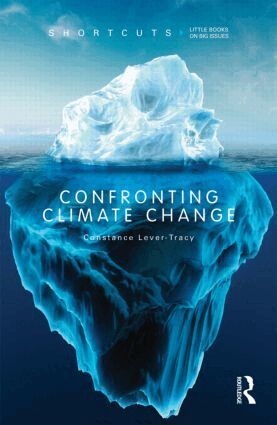
    Confronting Climate Change

    AvConstance Lever-Tracy

    Häftad, Engelska, 2011

    Del i serien Shortcuts

    595 kr

    Beställningsvara. Skickas inom 10-15 vardagar. Fri frakt över 249 kr.

    Fler format och utgåvor

    Inbunden

    2 415 kr

    E-bok

    704 kr

    E-bok

    704 kr

    Beskrivning

    What are the manifest and likely future consequences of climate change? How will the world respond to the challenges of climate change in the twenty-first century? How should people think about confronting the politics of climate change?In this highly accessible introduction to the predicted global impacts of climate change, Constance Lever-Tracy provides an authoritative guide to one of the most controversial issues facing the future of our planet. Discussing how the social and natural sciences must work together more effectively in confronting climate change, Lever-Tracy provides a sober, critical assessment of the politics of global warming and climate change.By combining sociology, environmental studies and politics, Confronting Climate Change will serve as an introduction that will appeal to students and general readers alike.

    Produktinformation

    • Utgivningsdatum:2011-03-04
    • Mått:129 x 198 x 7 mm
    • Vikt:136 g
    • Format:Häftad
    • Språk:Engelska
    • Serie:Shortcuts
    • Antal sidor:122
    • Förlag:Taylor & Francis Ltd
    • ISBN:9780415576239

    Utforska kategorier

    • Miljövetenskap och miljöpolitik inom Naturvetenskap och teknik
    • Offentlig förvaltning inom Samhälle och politik

    Mer om författaren

    Constance Lever-Tracy was Senior Lecturer in Sociology at Flinders University of South Australia, now retired. Her recent work includes editing the Routledge Handbook of Climate Change and Society (2010), and the entry for ‘Global Warming’ in the International Encyclopaedia of the Social Sciences (2008).

    Innehållsförteckning

    • Introduction Part 1: What Do We Know? 1. Introduction to Part 1 2. Knowns and Unknowns 3. Manifest Vulnerabilities 4. Future Risks 5. Confronting the Risks Part 2: What Can We Do? 6. Introduction to Part 2 7. Changing Our Practices 8. Changing Our Power: Natural Gas, Biofuels and Nuclear Energy 9. Changing Our Power: Water, Wind, Sun and Earth 10. Adapting to a Changing Climate Part 3: Who Can Do It? 11. From the Bottom Up or the Top Down 12. Global Conflict or Cooperation? 13. Conclusion