• Fri frakt över 249 kr
  • •
  • Snabba leveranser
  • •
  • Billiga böcker
Kundservice

Du är på sajten för privatpersoner.

Företag, bibliotek eller offentlig verksamhet?

Du handlar på classic.bokus.com, där alla dina funktioner finns intakta.
Till classic.bokus.com
Bokus logotyp. Gå till startsidan.
  • Erbjudanden
  • Nyheter
  • Student
  • Topplistor
  • Barn & ungdom
  • Bokus Play
  • E-böcker
  • Pocketböcker
  • Spel & pussel

10% rabatt på allt med kod: NYSTART10 →

Sidfot

Mina sidor

    Hjälp

    • Kundservice
    • Vanliga frågor och svar
    • Frakt och leverans
    • Retur vid ångerrätt
    • Reklamera vara
    • Betalning
    • Köpvillkor
    • Allmänna villkor
    • Information om webbplatsens tillgänglighet

    Om Bokus

    • Om oss
    • Pressrum
    • För studenter
    • För företag
    • För bibliotek och offentlig verksamhet
    • För leverantörer
    • Hållbarhet

    Populärt

    • Aktuella erbjudanden
    • Presentkort
    • Studentlitteratur
    • Nya böcker
    • Topplistor
    • Signerade böcker
    • Engelska böcker

    Inspiration

    • Boktips
    • BookTok
    • Populära bokserier
    • Barnbokskaraktärer
    • Populära författare
    Logotyp för Bokus
    Följ oss på Facebook (extern länk)Följ oss på Instagram (extern länk)Följ oss på YouTube (extern länk)Följ oss på TikTok (extern länk)
    bokus @ CookiesAnpassa cookiesIntegritetspolicyKöpvillkor
    Till Citymail hemsida (extern länk)Till Budbee hemsida (extern länk)Till Postnord hemsida (extern länk)Till Schenker hemsida (extern länk)Till Early Bird hemsida (extern länk)Till Walleys hemsida (extern länk)
    1. Skönlitteratur
    2. Dramatik

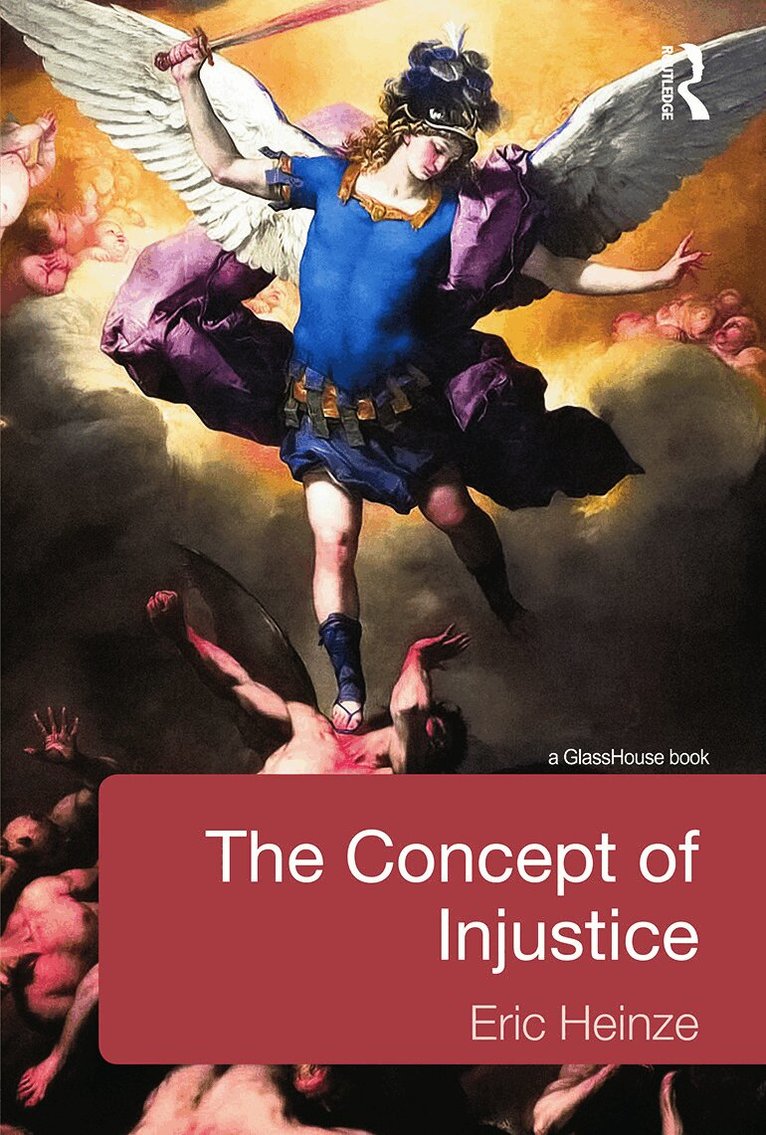
    Concept of Injustice

    AvEric Heinze

    Häftad, Engelska, 2014

    1 009 kr

    Beställningsvara. Skickas inom 10-15 vardagar. Fri frakt över 249 kr.

    Fler format och utgåvor

    Inbunden

    2 229 kr

    E-bok

    1 196 kr

    E-bok

    1 196 kr

    Beskrivning

    This book insists upon a re-thinking of Western theories of Justice. For 2500 years, philosophers have subordinated the concept of injustice to the concept of justice, as if injustice were only a secondary, derivative notion. This book summons literary classics, notably Shakespeare, to argue that injustice, not justice, should be the focus of our attention. A long line of thinkers, from Plato and Aristotle through to Kant, Hegel, Marx and Rawls, have overlooked the central problems of injustice. The book identifies two elements – unity and measurement – that are constantly assumed to be essential to justice. It shows how, in landmark literary classics, it is precisely those two elements that end up generating injustice. Western justice theory, it is concluded, cannot advance until it takes a new approach to the concept and the realities of injustice.

    Produktinformation

    • Utgivningsdatum:2014-02-27
    • Mått:156 x 234 x 13 mm
    • Vikt:420 g
    • Format:Häftad
    • Språk:Engelska
    • Antal sidor:232
    • Förlag:Taylor & Francis Ltd
    • ISBN:9780415634793

    Utforska kategorier

    • Dramatik inom Skönlitteratur
    • Filosofiska discipliner inom Filosofi och religion
    • Litteraturvetenskap inom Skönlitteratur

    Mer om författaren

    Eric Heinze is Ptofessor of Law at Queen Mary, London

    Recensioner i media

    "As Professor of Law and Humanities at Queen Mary College, University of London, Heinz argues in this thought provoking treatise that, contrary to the traditional tenets of Western justice theory, injustice is not primarily the negation, failure or absence of justice. Rather it is ‘the constant product of regimes and norms of justice’. Furthermore, justice is not always the cure for injustice, but often its cause." - Phillip Taylor MBE and Elizabeth Taylor of Richmond Green Chambers

    Innehållsförteckning

    • Introduction; Chapter One: Recognising Injustice - The Failure of Traditional Justice Theory; Chapter Two: Mistaking Injustice - Injustice as Disunity or Wrong Measurement; Chapter Three: Injustice and the Criterion of Unity; Chapter Four: Injustice and the Criterion of Measurement; Chapter Five: Injustice and Modernity; Conclusion: The Theory of Injustice and Theories of Justice.