• Fri frakt över 249 kr
  • •
  • Snabba leveranser
  • •
  • Billiga böcker
Kundservice

Du är på sajten för privatpersoner.

Företag, bibliotek eller offentlig verksamhet?

Du handlar på classic.bokus.com, där alla dina funktioner finns intakta.
Till classic.bokus.com
Bokus logotyp. Gå till startsidan.
  • Erbjudanden
  • Nyheter
  • Student
  • Topplistor
  • Barn & ungdom
  • Bokus Play
  • E-böcker
  • Pocketböcker
  • Spel & pussel

10% rabatt på allt med kod: NYSTART10 →

Sidfot

Mina sidor

    Hjälp

    • Kundservice
    • Vanliga frågor och svar
    • Frakt och leverans
    • Retur vid ångerrätt
    • Reklamera vara
    • Betalning
    • Köpvillkor
    • Allmänna villkor
    • Information om webbplatsens tillgänglighet

    Om Bokus

    • Om oss
    • Pressrum
    • För studenter
    • För företag
    • För bibliotek och offentlig verksamhet
    • För leverantörer
    • Hållbarhet

    Populärt

    • Aktuella erbjudanden
    • Presentkort
    • Studentlitteratur
    • Nya böcker
    • Topplistor
    • Signerade böcker
    • Engelska böcker

    Inspiration

    • Boktips
    • BookTok
    • Populära bokserier
    • Barnbokskaraktärer
    • Populära författare
    Logotyp för Bokus
    Följ oss på Facebook (extern länk)Följ oss på Instagram (extern länk)Följ oss på YouTube (extern länk)Följ oss på TikTok (extern länk)
    bokus @ CookiesAnpassa cookiesIntegritetspolicyKöpvillkor
    Till Citymail hemsida (extern länk)Till Budbee hemsida (extern länk)Till Postnord hemsida (extern länk)Till Schenker hemsida (extern länk)Till Early Bird hemsida (extern länk)Till Walleys hemsida (extern länk)
    1. Psykologi och pedagogik
    2. Pedagogik
    3. Pedagogisk psykologi

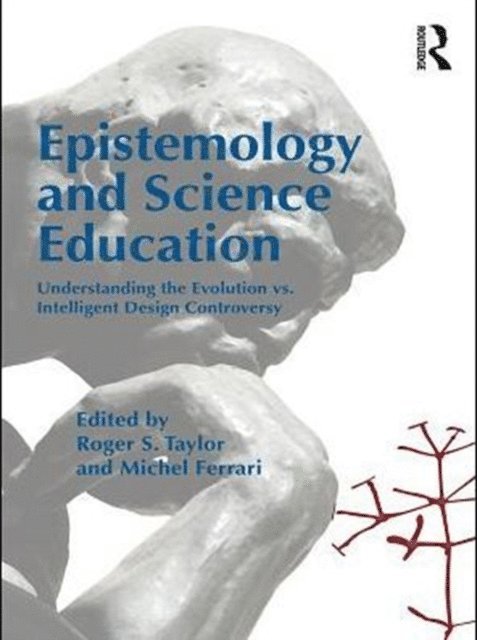
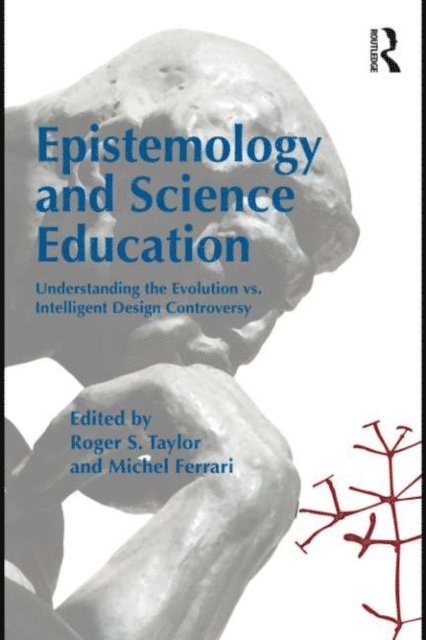
    Epistemology and Science Education

    Understanding the Evolution vs. Intelligent Design Controversy

    AvRoger S. Taylor,Michel Ferrari

    Häftad, Engelska, 2010

    758 kr

    Beställningsvara. Skickas inom 10-15 vardagar. Fri frakt över 249 kr.

    Beskrivning

    How is epistemology related to the issue of teaching science and evolution in the schools? Addressing a flashpoint issue in our schools today, this book explores core epistemological differences between proponents of intelligent design and evolutionary scientists, as well as the critical role of epistemological beliefs in learning science. Preeminent scholars in these areas report empirical research and/or make a theoretical contribution, with a particular emphasis on the controversy over whether intelligent design deserves to be considered a science alongside Darwinian evolution. This pioneering book coordinates and provides a complete picture of the intersections in the study of evolution, epistemology, and science education, in order to allow a deeper understanding of the intelligent design vs. evolution controversy. This is a very timely book for teachers and policy makers who are wrestling with issues of how to teach biology and evolution within a cultural context in which intelligent design has been and is likely to remain a challenge for the foreseeable future.

    Produktinformation

    • Utgivningsdatum:2010-11-18
    • Mått:152 x 229 x 17 mm
    • Vikt:430 g
    • Format:Häftad
    • Språk:Engelska
    • Antal sidor:318
    • Förlag:Taylor & Francis Ltd
    • ISBN:9780415963800

    Utforska kategorier

    • Pedagogisk psykologi inom Psykologi och pedagogik
    • Pedagogisk metodik inom Psykologi och pedagogik
    • Undervisning i specifika ämnen inom Psykologi och pedagogik

    Mer om författaren

    Roger Taylor is Assistant Professor in the Psychology Department at the State University of New York, Oswego.Michel Ferrari is Associate Professor and Head, Center for Applied Cognitive Science, University of Toronto/Ontario Institute for Studies in Education.

    Innehållsförteckning

    • PrefacePart I: Epistemology1. Demarcation in Science Education: Toward an Enhanced View of Scientific Method (Richard A. Duschl & Richard Grandy)2. Evolution, Creation, and the Philosophy Of Science (Paul Thagard)3. Differences in Epistemic Practices among Scientists, Young Earth Creationists, Intelligent Design Creationists, and the Scientist-Creationists of Darwin’s Era (Clark A. Chinn & Luke A. Buckland)4. Ontological Assumptions about Species and Their Influence on Students’ Understanding of Evolutionary Biology (Ala Samarapungavan)5. Understanding Evolutionary Theory: The Role of Epistemological Development and Beliefs (Barbara K. Hofer, Chak Fu Lam, & Alex DeLisi)6. Engaging Multiple Epistemologies: Implications for Science Education (E. Margaret Evans & Karl. S. Rosengren)Part II: Intelligent Design & Evolution7. Accepting evolution or creation in people, critters, plants, and classrooms: The maelstrom of American cognition about biological change (Michael A. Ranney & Anastasia Thanukos)8. Science and Religion: Ontologically Different Epistemologies? (Gale M. Sinatra & Louis Nadelson)Part III: Teaching Science9. Toward a Cognitive Understanding of Science and Religion (Ryan D. Tweney)10. Teaching and Learning Evolution as an Emergent Process: The BEAGLE project (Uri Wilensky & Michael Novak)11. Teaching Evolution in a Historical Context: From the Wisdom of the Ancient Greeks to Genetic Algorithms (Michel Ferrari, Peter Lee, & Roger S. TaylorConclusion12. Teach the Demarcation: Suggestions for Science Education (Michel Ferrari & Roger S. Taylor)