• Fri frakt över 249 kr
  • •
  • Snabba leveranser
  • •
  • Billiga böcker
Kundservice

Du är på sajten för privatpersoner.

Företag, bibliotek eller offentlig verksamhet?

Du handlar på classic.bokus.com, där alla dina funktioner finns intakta.
Till classic.bokus.com
Bokus logotyp. Gå till startsidan.
  • Erbjudanden
  • Nyheter
  • Student
  • Topplistor
  • Barn & ungdom
  • Bokus Play
  • E-böcker
  • Pocketböcker
  • Spel & pussel

10% rabatt på allt med kod NYSTART10 →

Sidfot

Mina sidor

    Hjälp

    • Kundservice
    • Vanliga frågor och svar
    • Frakt och leverans
    • Retur vid ångerrätt
    • Reklamera vara
    • Betalning
    • Köpvillkor
    • Allmänna villkor
    • Information om webbplatsens tillgänglighet

    Om Bokus

    • Om oss
    • Pressrum
    • För studenter
    • För företag
    • För bibliotek och offentlig verksamhet
    • För leverantörer
    • Hållbarhet

    Populärt

    • Aktuella erbjudanden
    • Presentkort
    • Studentlitteratur
    • Nya böcker
    • Topplistor
    • Signerade böcker
    • Engelska böcker

    Inspiration

    • Boktips
    • BookTok
    • Populära bokserier
    • Barnbokskaraktärer
    • Populära författare
    Logotyp för Bokus
    Följ oss på Facebook (extern länk)Följ oss på Instagram (extern länk)Följ oss på YouTube (extern länk)Följ oss på TikTok (extern länk)
    bokus @ CookiesAnpassa cookiesIntegritetspolicyKöpvillkor
    Till Citymail hemsida (extern länk)Till Budbee hemsida (extern länk)Till Postnord hemsida (extern länk)Till Schenker hemsida (extern länk)Till Early Bird hemsida (extern länk)Till Walleys hemsida (extern länk)
    1. Naturvetenskap och teknik
    2. Matematik och naturvetenskap
    3. Biologi

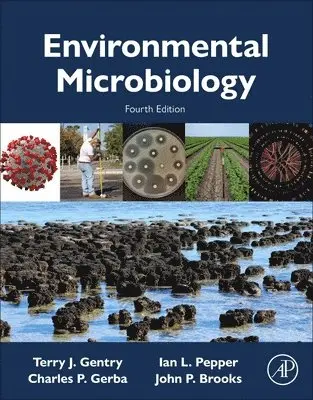
    Environmental Microbiology

    AvIan Pepper,Terry Gentry

    Häftad, Engelska, 2026

    1 161 kr

    Kommande

    Beskrivning

    Environmental Microbiology, Fourth Edition is the revised edition of a key, foundational text for the field of environmental microbiology which hits all the pillars of the field and takes into account the tremendous advances in environmental microbiology over past decade. It provides comprehensive information on traditional methodologies utilized to study environmental microbes, as well as state-of-the-art technologies. Emphasis is placed on molecular and bio-informatic approaches to the study of environmental microbes, including nucleic acid and ‘omic methodologies. The book is divided into seven parts that stretch across microbiology concepts, microbial environments, microbial methods and technologies, microbial transport, biogeochemistry, and bioremediation, water and foodborne pathogens, wastewater treatment and distribution, and urban microbiology. 1) “Environmental Microbiology” is the study of microbes within all habitats, and their beneficial and detrimental impacts on human health and welfare. This book illustrates the significance of environmental microbes in our daily lives in terms of not only the overall health of the planet, but also: what infects us; what heals us; what we drink; what we eat; and what we breathe.

    • Includes balanced, yet thorough coverage of multiple aspects of environmental microbiology
    • Explores topics ranging from biogeochemical cycling through public health issues including methods and emerging topics such as wastewater-based epidemiology and environmental antimicrobial resistance
    • Structured as a multi-author textbook with each chapter written by leading expert(s) in their field
    • Offers new case studies, question bank, information boxes and figures and images

    Produktinformation

    • Utgivningsdatum:2026-10-20
    • Mått:216 x 276 x undefined mm
    • Vikt:450 g
    • Format:Häftad
    • Språk:Engelska
    • Antal sidor:768
    • Upplaga:4
    • Förlag:Elsevier Science
    • ISBN:9780443298257

    Utforska kategorier

    • Biologi inom Naturvetenskap och teknik
    • Miljöteknik inom Naturvetenskap och teknik

    Mer om författaren

    Dr. Ian Pepper is a Regents Professor at the University of Arizona and also the Director of the University of Arizona Water and Energy Sustainable Technology Center (WEST). He is an environmental microbiologist whose research has focused on the fate and transport of microbial pathogens in air, water, soils and municipal wastes. His expertise has been recognized by membership on six National Academy of Sciences Committees. Dr. Pepper is a Fellow of the American Association for the Advancement of Science, the American Academy of Microbiology, the Soil Science Society of America, and the American Society of Agronomy. He is the author or co-author of seven textbooks and over 200 peer-reviewed journal articles.Dr. Terry Gentry is a Professor at Texas A&M University and is also the Director of the Soil and Aquatic Microbiology Laboratory (SAML). He is an environmental microbiologist specializing in the development and use of molecular technologies to enhance the detection and remediation of environmental contamination. This includes the detection and identification of microbial pathogens from animal, human, and natural sources and also the characterization of microbial populations and communities contributing to applied remediation processes such as the bioremediation of organic and metal contaminants. He teaches undergraduate and graduate courses in soil and water microbiology. He is the author or co-author of two textbooks; 16 book chapters; and over 100 peer-reviewed journal articles.Dr. Charles Gerba is a Professor at the University of Arizona. He conducts research on the transmission of pathogens through the environment. His recent research encompasses the transmission of pathogens by water, food and fomites; fate of pathogens in land applied wastes; development of new disinfectants; domestic microbiology and microbial risk assessment. He has been an author on more than 500 articles including several books in environmental microbiology and pollution science. He is a fellow of the American Academy of Microbiology and the American Association for the Advancement of Science. In 1998 he received the A. P. Black Award from the American Water Works Association for outstanding contributions to water science and in 1996 he received the McKee medal from the Water Environment Federation for outstanding contributions to groundwater protection. He received the 1999 Award of Excellence in Environmental Health from National Association of County and City Health Officials.Dr. John Brooks is a research microbiologist focusing on environmental microbiology at the USDA-ARS Genetics and Sustainable Agriculture Unit located at Mississippi State University. He obtained his Ph.D. from the University of Arizona and has been focused on environmental microbiology for over 20 years. His research has focused on aerobiology, quantitative microbial risk assessment, pathogen fate and transport, antimicrobial resistance, and soil microbial ecology. He is an active member of the Soil Science Society of America and American Society for Microbiology, has served on US CODEX taskforces, and has authored over 100 peer-review journal articles and numerous book chapters.

    Innehållsförteckning

    • Part 1. Review of Basic Microbiology Concepts1. Introduction to Environmental Microbiology2. Microorganisms Found in the Environment3. Bacterial GrowthPart 2: Microbial Environments4. Earth Environments5. Aerobiology6. Aquatic Environments7. Biofilms8. Environmental MicrobiomesPart 3: Microbial Methods and Technologies9. Environmental Sample Collection and Processing10. Microscopic Techniques11. Cultural Methods12. Physiological Methods13. Immunological Methods14. Nucleic Acid-Based Methods of Detection15. Bioinformation and “Omic” Approaches to Microbiome CharacterizationPart 4. Microbial Transport, Biogeochemistry, and Bioremediation16. Microbial Transport17. Biogeochemical Cycling18. Microorganisms and Organic Pollutants19. Microorganisms and Metal PollutantsPart 5. Water and Foodborne Pathogens20. Environmentally Transmitted Pathogens21. Indicator Microorganisms22. Environmental Antimicrobial Resistance23. Microbial Source Tracking24. Risk AssessmentPart 6. Wastewater, Reclaimed Water, and Potable Water Treatment and Distribution25. Municipal Wastewater Treatment26. Land Application of Organic Residuals: Municipal Biosolids and Animal Manures27. Reclaimed Water Treatment and Reuse28. Drinking Water Treatment and Distribution29. DisinfectionPart 7. Urban Microbiology and Emerging Issues30. Microbiology of the Built Environment and Pandemic Preparation31. Wastewater-based Epidemiology32. One Health