Ian Pepper – författare
567 kr
Läs direkt efter köp
794 kr
Läs direkt efter köp
927 kr
Läs direkt efter köp
756 kr
Läs direkt efter köp
884 kr
Läs direkt efter köp
1 041 kr
Skickas inom 10-15 vardagar
987 kr
Skickas inom 10-15 vardagar
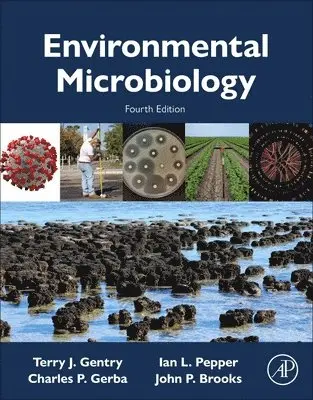
Designed for advanced undergraduate students, graduate students, and environmental professionals, this book builds upon the tremendous success of the previous editions with a comprehensive and up-to-date discussion of environmental microbiology as a discipline that has greatly expanded in scope and interest over the past several decades. From terrestrial and aquatic ecosystems to urban and indoor environments, this edition relates environmental microbiology to a variety of life science, ecology, and environmental science topics including biogeochemical cycling, bioremediation, environmental transmission of pathogens, microbial risk assessment, and drinking water treatment and reuse. The final chapter highlights several emerging issues including microbial remediation of marine oil spills, microbial contributions to global warming, impact of climate change on microbial infectious disease, and the development of antibiotic-resistant bacteria.
Presents state-of-the-art research results with key, recent references to document information Emphasizes critical information using "Information Boxes" throughout Includes real-world case studies to illustrate concepts, along with frequent use of graphics, cartoons and photographs Offers questions at the end of each chapter designed to test key concepts Lecture slides available for instructors online1 014 kr
Läs direkt efter köp
1 322 kr
Skickas inom 10-15 vardagar
1 426 kr
Läs direkt efter köp
404 kr
Skickas inom 3-6 vardagar
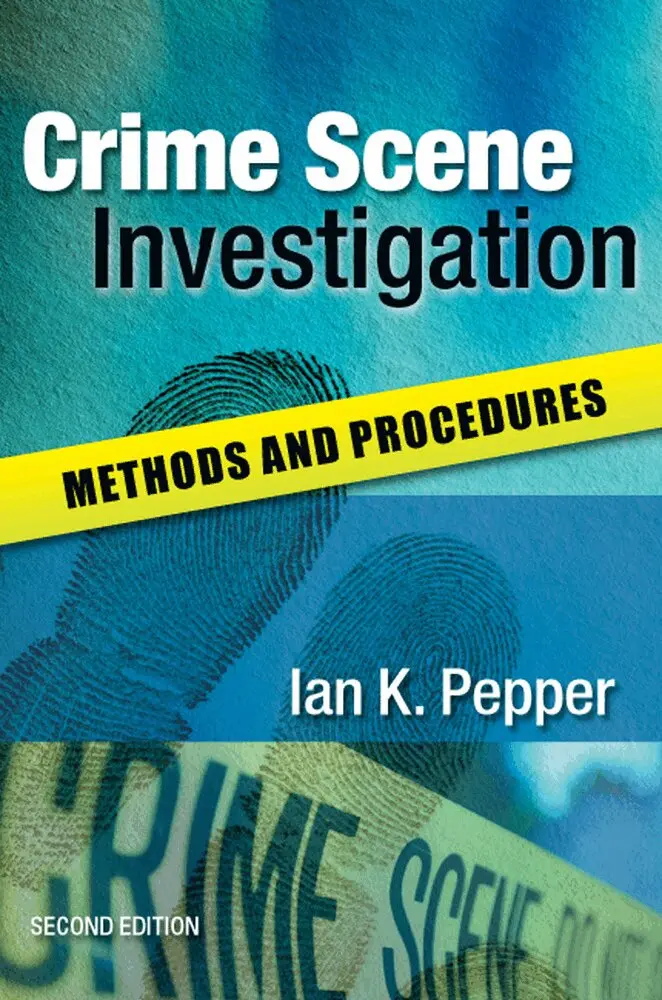
Forensic evidence is dynamic in its context and continues to be highly significant in the detection and prosecution of crime. This means that the knowledge, skill and ability of the person who examines the scene of the crime - the Crime Scene Investigator (CSI) - must be thorough and up to date.
The second edition of this book guides trainee and newly appointed CSIs through the methods and procedures for the accurate recording and recovery of evidence from the scene of a crime. This step-by-step handbook has been thoroughly updated and includes features such as:
Photographs of the recording, recovery and comparison of evidenceDetailed drawings of evidence, organizational structures and proceduresChecklists of roles, equipment and activities required at a crime sceneSelf-assessment questionsThere is also information on best practice and professional development that is invaluable to any new or aspiring CSI.Crime Scene Investigation is essential reading for all students - undergraduate or FE - with an interest in forensic law enforcement, particularly those wishing to become Crime Scene Investigators. It is also a handy reference for trainee and professional forensic practitioners.
360 kr
Läs direkt efter köp
The second edition of this book guides trainee and newly appointed CSIs through the methods and procedures for the accurate recording and recovery of evidence from the scene of a crime. This step-by-step handbook has been thoroughly updated and includes features such as:
Photographs of the recording, recovery and comparison of evidenceDetailled drawings of evidence, organizational structures and proceduresChecklists of roles, equipment and activities required at a crime sceneSelf-assessment questionsThere is also information on best practice and professional development that is invaluable to any new or aspiring CSI.Crime Scene Investigation is essential reading for all students - undergraduate or FE - with an interest in forensic law enforcement, particularly those wishing to become Crime Scene Investigators. It is also a handy reference for trainee and professional forensic practitioners.
1 123 kr
Kommande
504 kr
Läs direkt efter köp
541 kr
Skickas inom 10-15 vardagar
1 979 kr
Skickas inom 10-15 vardagar
627 kr
Läs direkt efter köp
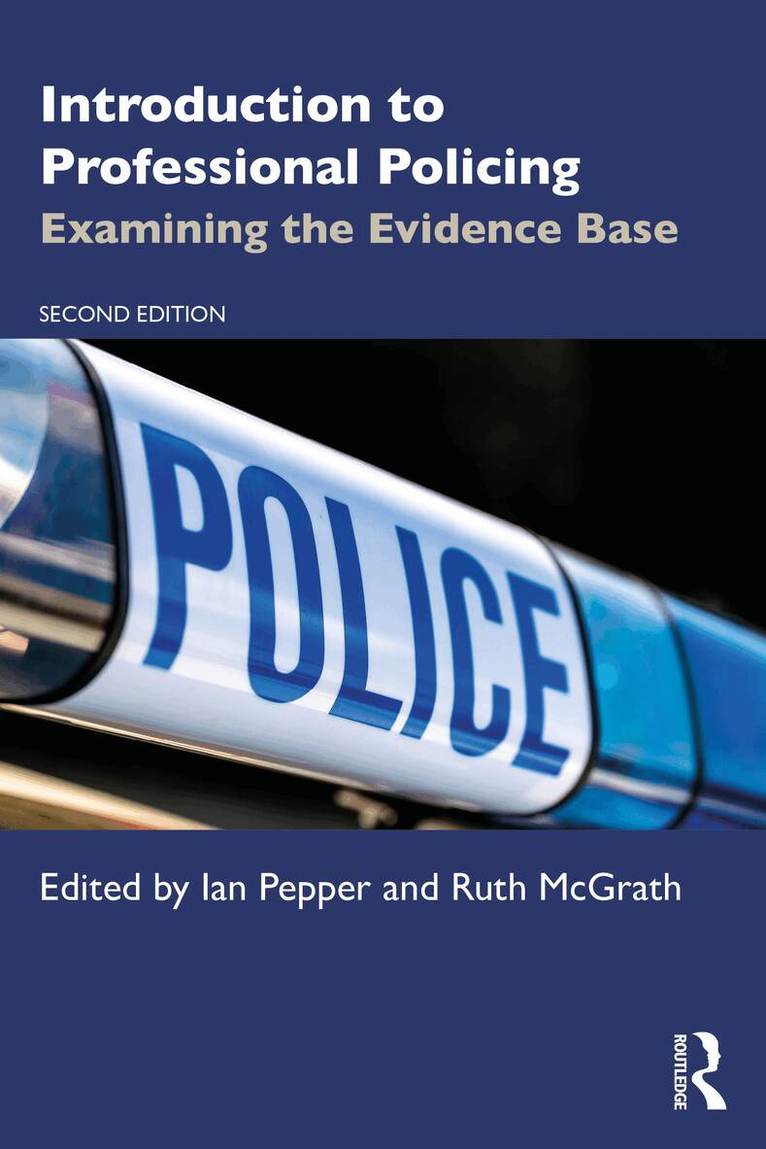
Policing is a dynamic profession with increasing demands and complexities placed upon police officers, staff and volunteers who provide a 24-hour service across a diverse range of communities. Written by experts in policing higher education from across both academic and professional practice, this book equips aspiring or newly appointed police officers, staff and volunteers with the knowledge and understanding to deal with the significant and often complex challenges they face daily.
This second edition of Introduction to Professional Policing explores a number of the core underpinning knowledge requirements identified as themes within the ever-evolving National Policing Curriculum (NPC) and Police Constable Entry Routes (PCER), while also informing those embarking on leadership development. These include:
Community and neighbourhood policing Counter-terrorism Digital policing Ethics, equality, diversity and inclusion Evidence-based policing Maintaining professional standards Police leadership Problem solving and problem-oriented policing Victims and protecting the vulnerable Volunteers in policingThis edition has been reviewed and significantly updated in line with the dynamic and ongoing demands faced by operational policing and therefore the associated knowledge requirements for policing education and training. The book is refocused on the learning requirements contained within the range of entry routes now available in to policing, as well as the professional development of those serving as police staff and volunteers. This includes new chapters providing insights into community and neighbourhood policing, problem solving and volunteers in policing.
At the end of each chapter the student finds a case study, reflective questions and an extensive reference list, all of which reinforces students’ knowledge and furthers their professional development. Written in a clear and direct style, this book supports aspiring police officers, newly appointed police officers, direct entry detectives, community support officers, special constables and police staff. It will also be of interest to those embarking on a leadership journey within policing and anyone wanting to learn more about the profession of policing. It is essential reading for students taking a professional policing degree or commencing any of the police constable entry routes.
627 kr
Läs direkt efter köp
Policing is a dynamic profession with increasing demands and complexities placed upon police officers, staff and volunteers who provide a 24-hour service across a diverse range of communities. Written by experts in policing higher education from across both academic and professional practice, this book equips aspiring or newly appointed police officers, staff and volunteers with the knowledge and understanding to deal with the significant and often complex challenges they face daily.
This second edition of Introduction to Professional Policing explores a number of the core underpinning knowledge requirements identified as themes within the ever-evolving National Policing Curriculum (NPC) and Police Constable Entry Routes (PCER), while also informing those embarking on leadership development. These include:
Community and neighbourhood policing Counter-terrorism Digital policing Ethics, equality, diversity and inclusion Evidence-based policing Maintaining professional standards Police leadership Problem solving and problem-oriented policing Victims and protecting the vulnerable Volunteers in policingThis edition has been reviewed and significantly updated in line with the dynamic and ongoing demands faced by operational policing and therefore the associated knowledge requirements for policing education and training. The book is refocused on the learning requirements contained within the range of entry routes now available in to policing, as well as the professional development of those serving as police staff and volunteers. This includes new chapters providing insights into community and neighbourhood policing, problem solving and volunteers in policing.
At the end of each chapter the student finds a case study, reflective questions and an extensive reference list, all of which reinforces students’ knowledge and furthers their professional development. Written in a clear and direct style, this book supports aspiring police officers, newly appointed police officers, direct entry detectives, community support officers, special constables and police staff. It will also be of interest to those embarking on a leadership journey within policing and anyone wanting to learn more about the profession of policing. It is essential reading for students taking a professional policing degree or commencing any of the police constable entry routes.