• Fri frakt över 249 kr
  • •
  • Snabba leveranser
  • •
  • Billiga böcker
Kundservice

Du är på sajten för privatpersoner.

Företag, bibliotek eller offentlig verksamhet?

Du handlar på classic.bokus.com, där alla dina funktioner finns intakta.
Till classic.bokus.com
Bokus logotyp. Gå till startsidan.
  • Erbjudanden
  • Nyheter
  • Student
  • Topplistor
  • Barn & ungdom
  • Bokus Play
  • E-böcker
  • Pocketböcker
  • Spel & pussel

10% rabatt på allt med kod: NYSTART10 →

Sidfot

Mina sidor

    Hjälp

    • Kundservice
    • Vanliga frågor och svar
    • Frakt och leverans
    • Retur vid ångerrätt
    • Reklamera vara
    • Betalning
    • Köpvillkor
    • Allmänna villkor
    • Information om webbplatsens tillgänglighet

    Om Bokus

    • Om oss
    • Pressrum
    • För studenter
    • För företag
    • För bibliotek och offentlig verksamhet
    • För leverantörer
    • Hållbarhet

    Populärt

    • Aktuella erbjudanden
    • Presentkort
    • Studentlitteratur
    • Nya böcker
    • Topplistor
    • Signerade böcker
    • Engelska böcker

    Inspiration

    • Boktips
    • BookTok
    • Populära bokserier
    • Barnbokskaraktärer
    • Populära författare
    Logotyp för Bokus
    Följ oss på Facebook (extern länk)Följ oss på Instagram (extern länk)Följ oss på YouTube (extern länk)Följ oss på TikTok (extern länk)
    bokus @ CookiesAnpassa cookiesIntegritetspolicyKöpvillkor
    Till Citymail hemsida (extern länk)Till Budbee hemsida (extern länk)Till Postnord hemsida (extern länk)Till Schenker hemsida (extern länk)Till Early Bird hemsida (extern länk)Till Walleys hemsida (extern länk)
    1. Ekonomi och Ledarskap
    2. Industrier och branscher
    3. Lantbruk, fiske och skogsbruk

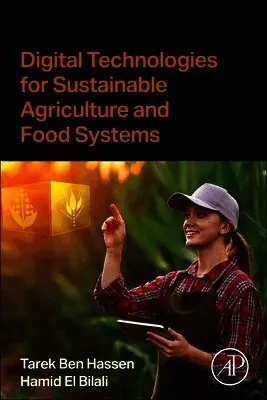
    Digital Technologies for Sustainable Agriculture and Food Systems

    AvTarek Ben Hassen,Hamid El Bilali

    Häftad, Engelska, 2026

    1 477 kr

    Beställningsvara. Skickas inom 10-15 vardagar. Fri frakt över 249 kr.

    Beskrivning

    Digital Technologies for Sustainable Agriculture and Food Systems offers a comprehensive review of digital technology's role in supporting sustainable agriculture and food systems. The book explores how digital technologies like precision agriculture, robots, artificial intelligence, and blockchain may boost agricultural output and efficiency while lowering environmental impact. It also investigates how these technologies might assist farmers in connecting with markets, increasing supply chain traceability, and boosting food safety and quality. Serving as a comprehensive guide, this book educates and helps farmers, policymakers, researchers, industry professionals, and other value chain actors in leveraging digital innovations. It also address the pressing challenges faced by the agri-food sector, such as food insecurity, environmental degradation, natural resources depletion, and climate change.

    • Shows how to integrate digital technologies into sustainable agriculture and food systems to increase the supply chain traceability, while boosting food safety and quality
    • Offers insights into international standards, incentive programs, and successful policy approaches, helping policymakers shape effective policies that foster sustainable agricultural practices
    • Explores policy considerations, regulatory frameworks, and legal aspects associated with digital agriculture

    Produktinformation

    • Utgivningsdatum:2026-01-14
    • Mått:152 x 229 x 24 mm
    • Vikt:750 g
    • Format:Häftad
    • Språk:Engelska
    • Antal sidor:466
    • Förlag:Elsevier Science
    • ISBN:9780443335082

    Utforska kategorier

    • Lantbruk, fiske och skogsbruk inom Ekonomi och Ledarskap
    • Tillverkningsteknik inom Naturvetenskap och teknik
    • Maskinteknik och material inom Naturvetenskap och teknik

    Mer om författaren

    Tarek Ben Hassen is an Associate Professor of Public Policy at the Department of International Affairs at Qatar University. His research focuses on studying the dynamics of sustainability and innovation within food systems. He has several publications in reputed international journals, including Sustainability, Foods, the Regional and Urban Economics Journal, Environmental Science and Pollution Research, and Frontiers in Nutrition.Hamid El Bilali is a senior researcher at the International Centre for Advanced Mediterranean Agronomic Studies (CIHEAM-Bari). Since December 2004, he has been engaged in research, training, and cooperation activities relating to sustainable food systems, food security, food losses and waste, and sustainable food consumption and production. He is the author of several scientific publications (more than 200 journal and conference papers); and a member of the editorial boards of numerous journals dealing with agriculture and food (e.g., Frontiers in Sustainable Food Systems; Advances in Nutrition and Food Sciences; Sustainable Horizons; Food Systems and Community Development; Journal of Food Security; American Journal of Rural Development).

    Innehållsförteckning

    • 1. Introduction2. Digital innovations in farming practices3. How Data and the Digital Technologies are shaping the Data Economy for AgriFood Systems4. Data management and analytics in agriculture5. IoT and sensor technologies in agri-food systems6. Digital Tools for Efficient Water Management in Agriculture: Insights from the MENA Region7. How Does Context Shape Climate-Smart Agricultural Technology Adoption? A Data-Driven Approach for Tailored Solutions for Smallholder Farmers8. From farm to future: Driving sustainable livestock production through digitalization9. Challenges and Opportunities in the Integration of Digital Technologies into Forest Management10. Application of Remote Sensing in Tree Windbreak and Shelterbelt Research: Assessing Structural Type and Efficiency in Ovche Pole, North Macedonia11. Food Industry 4.0: Digital Transformation for Sustainable and Smart Food Systems12. Digital transformation in food distribution: Leveraging emerging technologies for efficiency, sustainability and resilience13. Contribution of digital technologies to smart and sustainable consumption patterns14. Blockchain and traceability in food systems15. Future perspectives and emerging trends