• Fri frakt över 249 kr
  • •
  • Snabba leveranser
  • •
  • Billiga böcker
Kundservice

Du är på sajten för privatpersoner.

Företag, bibliotek eller offentlig verksamhet?

Du handlar på classic.bokus.com, där alla dina funktioner finns intakta.
Till classic.bokus.com
Bokus logotyp. Gå till startsidan.
  • Erbjudanden
  • Nyheter
  • Student
  • Topplistor
  • Barn & ungdom
  • Bokus Play
  • E-böcker
  • Pocketböcker
  • Spel & pussel

10% rabatt på allt med kod NYSTART10 →

Sidfot

Mina sidor

    Hjälp

    • Kundservice
    • Vanliga frågor och svar
    • Frakt och leverans
    • Retur vid ångerrätt
    • Reklamera vara
    • Betalning
    • Köpvillkor
    • Allmänna villkor
    • Information om webbplatsens tillgänglighet

    Om Bokus

    • Om oss
    • Pressrum
    • För studenter
    • För företag
    • För bibliotek och offentlig verksamhet
    • För leverantörer
    • Hållbarhet

    Populärt

    • Aktuella erbjudanden
    • Presentkort
    • Studentlitteratur
    • Nya böcker
    • Topplistor
    • Signerade böcker
    • Engelska böcker

    Inspiration

    • Boktips
    • BookTok
    • Populära bokserier
    • Barnbokskaraktärer
    • Populära författare
    Logotyp för Bokus
    Följ oss på Facebook (extern länk)Följ oss på Instagram (extern länk)Följ oss på YouTube (extern länk)Följ oss på TikTok (extern länk)
    bokus @ CookiesAnpassa cookiesIntegritetspolicyKöpvillkor
    Till Citymail hemsida (extern länk)Till Budbee hemsida (extern länk)Till Postnord hemsida (extern länk)Till Schenker hemsida (extern länk)Till Early Bird hemsida (extern länk)Till Walleys hemsida (extern länk)
    1. Naturvetenskap och teknik
    2. Matematik och naturvetenskap
    3. Biologi
    • Nyhet

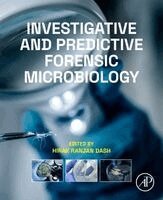
    Investigative and Predictive Forensic Microbiology

    AvHirak Ranjan Dash

    Häftad, Engelska, 2026

    1 970 kr

    Beställningsvara. Skickas inom 10-15 vardagar. Fri frakt över 249 kr.

    Beskrivning

    Investigative and Predictive Forensic Microbiology showcases the latest advancements in microbial technology for forensic applications, covering a wide range of topics in forensic microbiology. Sections explore human normal microflora, cover classical methods of analyzing microbes, discuss microbial tools in forensic medicine that address post-mortem analysis, and delve into microbial biomarkers for estimating time of death. Investigative microbiology topics include analyzing body fluids, geolocation prediction using microbes, ancient microbial DNA analysis, biodefense, and emerging infections. The book's final section focuses on challenges and future approaches, covering statistical interpretation of data, regulatory considerations, and ethical implications of forensic microbiology.

    With contributions from renowned experts in the field, this book is a comprehensive resource for researchers and practitioners in microbiology, genetics, forensic science, and for law enforcement professionals and advanced students.

    • Describes the fundamentals of forensic microbiology
    • Explains and summarizes technological advancements in forensic microbiology
    • Includes examples and historic case studies related to the application of microbial forensics

    Produktinformation

    • Utgivningsdatum:2026-07-30
    • Mått:191 x 235 x 33 mm
    • Vikt:450 g
    • Format:Häftad
    • Språk:Engelska
    • Antal sidor:764
    • Förlag:Elsevier Science
    • ISBN:9780443406348

    Utforska kategorier

    • Biologi inom Naturvetenskap och teknik

    Mer om författaren

    Dr. Hirak Ranjan Dash is an Assistant Professor of Forensic Biotechnology at the National Forensic Sciences University, Delhi Campus, India. He obtained his PhD degree in Life Science from the National Institute of Technology, Rourkela, India. Previously, he served as a DNA expert at Forensic Science Laboratory, Madhya Pradesh, India. His research interests include forensic microbiology, microbial phylogeny, forensic DNA analysis, genetic markers, and next generation sequencing. He has published 50 research papers and 9 books. He has previously received a research fellowship from the Indian Academy of Science. He is a pioneer in India working on NGS-based forensic DNA analysis. He is a life member of the Association of Microbiologists of India, International Society of Forensic Geneticists, and Asian Federation of Biotechnologists.

    Innehållsförteckning

    • Part I: Introductory Forensic Microbiology1. Human Microbiome: Scope and Forensics Applications2. Classical Methods of Analyzing Microbes3. Investigating Human Microorganisms Using Metagenomic Approaches4. Useful Molecular Microbiological Tools and Techniques5. An Overview of Human Microbiome Project (HMP) And Soil Microbiome Project (SMP): A Precursor of Investigative Microbiology6. Application of Microbiology in the Investigation of Historical Cases7. Comparative Analysis of Present and Ancient Microbiomes: Insights into Oral Microbial DiversityPart II: Advanced Techniques of Analyzing Microbes8. MALDI-TOF Mass Spectrometry: A Useful Tool in Detecting Microbes9. Current applications and future perspectives of qRT-PCR in forensic identification and quantification of microbes10. Microfluidic techniques of microbial analysis11. Microarray Based Detection of Microorganisms12. Bioinformatic Tools and Techniques Useful for Investigation of Microorganisms13. Application of Machine Learning in microbiome analysis: A Bibliometric InsightsPart III: Biodefense and Emerging Infections14. Emerging multidrug resistant Bacteria as a National Threat15. Emerging Pathogenic Virus as a Potential Bioterrorism Agent16. Identification of Causative Agent: Investigation Process of a Suspected Bioterrorist Attack17. Bioterrorism: Epidemiological and Microbiological Investigations18. Threat of Microbial Toxins as a Bioterrorism Agent19. Tools and Techniques of Analyzing Microbial Toxins of Forensic Interest20. Phytopathology, Agroterrorism and the Potential Microbial Agents21. Microbial Exploitation of Food SafetyPart IV: Microbial Tool in Forensic Medicine22. Thanatomicrobiome Analysis to Estimate Post-Mortem Time Interval (PMI)23. Role of microorganism in the PMI estimation24. Utilization of Microorganisms in Investigating Drowning Cases25. Exploitation of Dysbiosis Phenomenon for the Analysis Cause and Manner of Death26. Importance of Microbial Testing in Establishing Cause of Death27. Microbial Succession of Oral Microbiota to Estimate PMI28. Potential Microbial Biomarkers for Estimation of PMI29. Microbiome: Artifacts in forensic toxicology, qualitative and quantitative analysis30. Use of Microbial Genetics to Predict the Post-Mortem Interval in Forensic InvestigationPart V: Investigative Microbiology31. Detection of Forensically Relevant Body Fluids by Analysis of Microflora32. Analysis of Time Since Deposition of Body Fluid Stains Using Microflora33. Individualistic Microflora: A Useful Tool for Forensic Analysis34. Prediction Of Geolocation of an Individual by Analyzing Microbes35. Investigation of Sexual Assault Cases Using Microflora36. Estimation of Age of an Individual by MicrofloraPart VI: Challenges and Futuristic Approaches37. Challenges in Microbial Sampling for forensic analysis38. New advances in forensic microbiology for more effective investigative capabilities39. Microbiome Investigation in Forensic Science: Promising Tools for Human and Environmental Evidence with NGS40. Microbial Degradation of Forensic Biological Exhibits: Impediments and Solutions41. International Protocols and regulations for safe handling of microorganisms42. Microbial Repositories and Microbial Databases Useful for Forensic Research43. Ethical Considerations and Legal Implications of Forensic Microbiology