• Fri frakt över 249 kr
  • •
  • Snabba leveranser
  • •
  • Billiga böcker
Kundservice

Du är på sajten för privatpersoner.

Företag, bibliotek eller offentlig verksamhet?

Du handlar på classic.bokus.com, där alla dina funktioner finns intakta.
Till classic.bokus.com
Bokus logotyp. Gå till startsidan.
  • Erbjudanden
  • Nyheter
  • Student
  • Topplistor
  • Barn & ungdom
  • Bokus Play
  • E-böcker
  • Pocketböcker
  • Spel & pussel

10% rabatt på allt med kod NYSTART10 →

Sidfot

Mina sidor

    Hjälp

    • Kundservice
    • Vanliga frågor och svar
    • Frakt och leverans
    • Retur vid ångerrätt
    • Reklamera vara
    • Betalning
    • Köpvillkor
    • Allmänna villkor
    • Information om webbplatsens tillgänglighet

    Om Bokus

    • Om oss
    • Pressrum
    • För studenter
    • För företag
    • För bibliotek och offentlig verksamhet
    • För leverantörer
    • Hållbarhet

    Populärt

    • Aktuella erbjudanden
    • Presentkort
    • Studentlitteratur
    • Nya böcker
    • Topplistor
    • Signerade böcker
    • Engelska böcker

    Inspiration

    • Boktips
    • BookTok
    • Populära bokserier
    • Barnbokskaraktärer
    • Populära författare
    Logotyp för Bokus
    Följ oss på Facebook (extern länk)Följ oss på Instagram (extern länk)Följ oss på YouTube (extern länk)Följ oss på TikTok (extern länk)
    bokus @ CookiesAnpassa cookiesIntegritetspolicyKöpvillkor
    Till Citymail hemsida (extern länk)Till Budbee hemsida (extern länk)Till Postnord hemsida (extern länk)Till Schenker hemsida (extern länk)Till Early Bird hemsida (extern länk)Till Walleys hemsida (extern länk)
    1. Ekonomi och Ledarskap
    2. Industrier och branscher
    3. Arbetsmarknaden

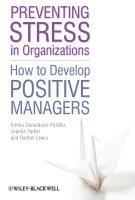
    Preventing Stress in Organizations

    How to Develop Positive Managers

    AvEmma Donaldson-Feilder,Rachel Lewis

    Inbunden, Engelska, 2011

    902 kr

    Tillfälligt slut

    Fler format och utgåvor

    Häftad

    524 kr

    Beskrivning

    Preventing Stress in Organizations:How to Develop Positive Managersoffers an innovative, evidence-based approach to help managers prevent and reduce workplace stress in their staff. Winner of the 2013 BPS Book Award - Practitioner Text categoryProvides information on the critical skills managers must develop in order to prevent stress in their staff, and the key ongoing behaviours that promote a healthy work environmentShows practitioners in occupational psychology, HR, Health and Safety and related professions how positive management can be integrated into an organization’s existing practices and processesServes as an essential guide for managers themselves on how to incorporate proven stress management skills into their everyday interactions with team membersBalances rigorous research grounding with real-world vignettes, case studies and exercises

    Produktinformation

    • Utgivningsdatum:2011-04-05
    • Mått:160 x 236 x 20 mm
    • Vikt:531 g
    • Format:Inbunden
    • Språk:Engelska
    • Antal sidor:278
    • Förlag:John Wiley and Sons Ltd
    • ISBN:9780470665527

    Utforska kategorier

    • Arbetsmarknaden inom Ekonomi och Ledarskap
    • Arbetspsykologi inom Psykologi och pedagogik
    • Ledarskapsböcker inom Ekonomi och Ledarskap

    Mer om författaren

    Emma Donaldson-Feilder is a Director of Affinity Health at Work and a Chartered Occupational Psychologist. In addition to her roles as researcher and practitioner, working to improve employee well-being and engagement, she is the author of numerous publications, a regular conference presenter, and a media commentator on issues relating to health at work. Rachel Lewis is a Director of Affinity Health at Work, a Chartered Occupational Psychologist and a lecturer in Occupational Psychology at Kingston Business School. She combines her academic career with regular conference speaking, consultancy and training, focusing on the links between leadership, management and employee well-being.Joanna Yarker is a Director of Affinity Health at Work and a Chartered Occupational Psychologist. She has previously held posts at Goldsmiths, University of London and the University of Nottingham. She writes regularly for academic and trade journals, and offers guidance and training to public and private sector organizations focused on improving workplace health.

    Recensioner i media

    "In its way, this is a groundbreaking book since it recognises that, no matter what the policy says, tackling organisational stress has to be implemented by normal, fallible people who happen to be managers - and that they could do with all the help they can get." (RoSPA Occupational Safety & Health Journal, 1 September 2011) "The three authors – all chartered occupational psychologists – have used their real-life experience and coupled it with a good understanding of research and theory to create an excellent “How to” book for line managers. I would go so far as to say this is almost an essential read for anybody with line-management responsibility and it also has an important educative role for strategic managers who need to understand exactly the psychological culture that will protect and support their organisation." People Management (July 2011)

    Innehållsförteckning

    • 1 Introduction 1What is Stress? 2What Stress is Not: Common Misperceptions 3Common Causes of Stress 4Work-Related Stress and the Line Manager 5Summary 9References 92 Why managing stress is important: The business and legal reasons 11The Business Case 11The Costs of Work-Related Stress 12Calculating the Cost of Stress to Your Business 19What Should We Be Doing to Monitor these Costs? 23The Legal Case 24Legal Cases of Work-Related Stress 25What Should We Be Doing to Comply with Legislation? 28Summary 29References 293 How to manage work-related stress 31Prevention 32Training and Development 35Support 37Organizational, Manager and Team, and Individual Level Interventions 38What Should Our Organization Be Doing? 41Where Does the Line Manager Fit In? 42Summary 44Reference 444 Developing a framework to promote positive manager behaviour 45Rationale: The Need For a Stress Management Approach Focusing on Positive Manager Behaviour 46Why We Took a Competency-Based Approach 49The Research Underlying the Positive Manager Behaviour Framework and Approach 51The Positive Manager Behaviour Framework 55Evidence to Support a Positive ManagerBehaviour Approach 56Useful Resources 64References 655 Respectful and responsible: Managing emotions and having integrity (management competency 1) 67Integrity 68Managing Emotions 75Considerate Approach 81Summary 85References 876 Managing and communicating existing and future work (management competency 2) 89Proactive Work Management 90Problem Solving 101Participative/Empowering 106Summary 119References 1217 Managing the individual within the team (management competency 3) 123Personally Accessible 124Sociable 132Empathetic Engagement 137Summary 144References 1458 Reasoning/managing difficult situations (management competency 4) 147Managing Conflict 148Use of Organizational Resources 157Taking Responsibility for Resolving Issues 164Summary 168References 1699 Overcoming barriers to positive manager behaviour 171Personal Level Barriers 172Individual Work or Job Level Barriers 176Team and Relationship Level Barriers 182Organizational and Wider Level Barriers 186Reference 18910 Supporting managers to change their behaviour 191Behaviour Change Is Possible 192Theories of Behaviour Change 193Implementing Behaviour Change Interventions 195References 20711 Is stress management just good management? 209Comparing Positive Manager Behaviour with General Management/Leadership Competency Frameworks 211Implications for Practice 214How to Do Your Own Mapping 215How to Identify Missing Positive Manager Behaviour Elements 224How to Integrate Missing Positive Manager Behaviour Elements 225Valuing People Management Skills 227References 23012 The way forward 231Where are You Now? 231Starting Out – Understanding Positive Manager Behaviour and How It Might Be Useful 233Deciding How to Use Positive Manager Behaviour 234Gaining Buy-In 240Applying Positive Manager Behaviour 244Sustainable Impact 250References 253Appendix 255Index 261