• Fri frakt över 249 kr
  • •
  • Snabba leveranser
  • •
  • Billiga böcker
Kundservice

Du är på sajten för privatpersoner.

Företag, bibliotek eller offentlig verksamhet?

Du handlar på classic.bokus.com, där alla dina funktioner finns intakta.
Till classic.bokus.com
Bokus logotyp. Gå till startsidan.
  • Erbjudanden
  • Nyheter
  • Student
  • Topplistor
  • Barn & ungdom
  • Bokus Play
  • E-böcker
  • Pocketböcker
  • Spel & pussel

10% rabatt på allt med kod: NYSTART10 →

Sidfot

Mina sidor

    Hjälp

    • Kundservice
    • Vanliga frågor och svar
    • Frakt och leverans
    • Retur vid ångerrätt
    • Reklamera vara
    • Betalning
    • Köpvillkor
    • Allmänna villkor
    • Information om webbplatsens tillgänglighet

    Om Bokus

    • Om oss
    • Pressrum
    • För studenter
    • För företag
    • För bibliotek och offentlig verksamhet
    • För leverantörer
    • Hållbarhet

    Populärt

    • Aktuella erbjudanden
    • Presentkort
    • Studentlitteratur
    • Nya böcker
    • Topplistor
    • Signerade böcker
    • Engelska böcker

    Inspiration

    • Boktips
    • BookTok
    • Populära bokserier
    • Barnbokskaraktärer
    • Populära författare
    Logotyp för Bokus
    Följ oss på Facebook (extern länk)Följ oss på Instagram (extern länk)Följ oss på YouTube (extern länk)Följ oss på TikTok (extern länk)
    bokus @ CookiesAnpassa cookiesIntegritetspolicyKöpvillkor
    Till Citymail hemsida (extern länk)Till Budbee hemsida (extern länk)Till Postnord hemsida (extern länk)Till Schenker hemsida (extern länk)Till Early Bird hemsida (extern länk)Till Walleys hemsida (extern länk)
    1. Djur och Natur
    2. Naturböcker
    3. Växtböcker

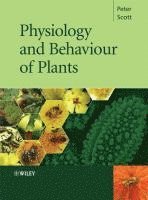
    Physiology and Behaviour of Plants

    AvPeter Scott

    Häftad, Engelska, 2008

    807 kr

    Beställningsvara. Skickas inom 11-20 vardagar. Fri frakt över 249 kr.

    Fler format och utgåvor

    Inbunden

    2 169 kr

    E-bok

    2 508 kr

    E-bok

    946 kr

    Beskrivning

    Physiology and Behaviour of Plants looks at plants and how they sense and respond to their environment. It takes the traditional plant physiology book into a new dimension by demonstrating how the biochemical observations underlie the behaviour of the plant. In many ways the book parallels courses studied at university on animal physiology and behaviour. The plant has to meet the same challenges as an animal to survive, but overcomes these challenges in very different ways. Students learn to think of plants not only as dynamic organisms, but aggressive, territorial organisms capable of long-range communication.Hallmark features include: Based on a successful course that the author has run for several years at Sussex University, UKRelates plant biochemistry to plant functionPrinted in four colour throughoutIncludes a wealth of illustrations and photographs that engages the reader's attention and reinforce key concepts explored within the textPresents material in a modern 'topic' based approach, with many relevant and exciting examples to inspire the studentAn accompanying web site will include teaching supplementsThis innovative textbook is the ultimate resource for all students in biology, horticulture, forestry and agriculture.Companion website for this title is available at www.wiley.com/go/scott/plants

    Produktinformation

    • Utgivningsdatum:2008-02-01
    • Mått:196 x 257 x 20 mm
    • Vikt:862 g
    • Format:Häftad
    • Språk:Engelska
    • Antal sidor:320
    • Förlag:John Wiley & Sons Inc
    • ISBN:9780470850251

    Utforska kategorier

    • Växtböcker inom Djur och Natur
    • Botanik inom Naturvetenskap och teknik

    Mer om författaren

    Having first been excited by the complexity and beauty of the plant kingdom as a student in Cambridge, Peter Scott is now Senior Lecturer in Plant Biology at the University of Sussex, where his research interests include orchids, resurrection plants and helping students to understand the wonder of the natural world around them.

    Recensioner i media

    "This book, with Scott's enthusiasm and clear writing style, offers a refreshing approach to introductory plant biology. Recommended." (CHOICE, March 2009) “Author Peter Scott's approach is to present basic concepts of plant physiology and development in an enthusiastic and engaging manner. Hence, he tries to use his passion for his subject to be an effective teacher, and his enthusiasm is evident throughout the book. One of the clear strengths of this book are the high quality color diagrams. I enjoyed reading … and came away with good ideas for new approaches to teaching topics in plant biology. The book could be useful in a number of courses in botany and plant biology at the freshman and sophomore level.” (Plant Science Bulletin, Winter 2008)

    Innehållsförteckning

    • Chapter 1 Introducing Plants IntroductionThe beginning: the evolution of plants and the major divisionsConquering the landThe evolution of ligninPlants and mass extinctionFloristic kingdoms, Biogeography and BiomesWhat makes a plant?Structure of the whole plantStructure of the plant cellThe chloroplastThe vacuoleMicrobodiesThe cell wallPlasmodesmataReferencesFigure LegendsChapter 2 Photosynthesis the ultimate in autotrophyIntroductionLight harvestingLeaf formChlorophyll and the chloroplastConverting light energy into chemical energyThe Calvin cyclePhotorespirationCarbohydrate synthesis and storageThe fate of carbon fixed during photosynthesisThe efficiency of photosynthesisReferencesFigure LegendsChapter 3 Nonphotosynthetic metabolismIntroductionPhloem transportStructure of the phloemCoping with damage to the phloemThe sink tissuesSink regulation of photosynthesisReferencesFigure LegendsChapter 4 Roots and the uptake of waterIntroductionTypes of rootFunctions of rootsStructure of rootsOsmosisLoading and movement in the xylemStomataReferencesFigure legendsChapter 5 Mineral nutrition of plantsIntroductionSoil structure and mineral ionsGeneral ion uptakePhosphorus uptake and assimilationNitrogen uptake and assimilationIron uptake and assimilationSulphur uptake and assimilationFunction and effects of deficiencies of mineral ions on plantsMajor elementsMinor elementsReferencesFigure legendsChapter 6 Mycorrhizal Associations and Saprophytic NutritionIntroductionMycorrhizal associationsVesicular arbuscular mycorrhizal associationsOrchidaceous mycorrhizal associationsEctomycorrhizaEricaceous mycorrhizaEctendomycorrhizaDevelopment of the mycorrhizal associationThe role of the mycorrhizal associationSaprophytic nutritionReferencesFigure LegendsChapter 7 Parasitic plantsIntroductionEstablishing a parasitic relationshipFacultative parasitic plantsObligate parasitic plants, hemi-parasitesObligate parasitic plants, holo-parasitesParasitic species other than the dicotyledonsReferencesTablesFigure LegendsChapter 8 Carnivorous PlantsIntroductionCarnivory: the search for a definitionWhy have some plants turned to carnivory?Bladderworts (genus Utricularia)Sundews (genus Drosera)ReferencesBackground general readingFigure LegendsChapter 9 Asexual and Sexual ReproductionIntroductionAsexual ReproductionRootsStemsLeavesApomixisSexual ReproductionWind based pollinationInsect based pollinationPollinationMechanisms for improving cross fertilisationSelf incompatibility mechanismsTrifolium repensApple (Malus)Papaver rhoeasPetunia hybridaPetunia inflataSeed developmentReferencesFigure LegendsChapter 10 Plant growthIntroductionTypes of growthCell division and the cell cyclePolyploidy in plantsSeed formation and germinationThe dividing meristemFlower developmentVascular cambium and secondary growthIntercalary meristemCell deathPlant growth regulators and cell growthReferencesFigure LegendsChapter 11 Plant MovementIntroductionTropism and nastic movementsTropic movementsNastic movementsCircumnutationReferencesFigure LegendsChapter 12 Plants and stressIntroductionAdaptations to drought stressCrassulacean acid metabolismC4 photosynthesisResurrection plantsSalt stressFlooding stress and anoxiaCold stressAdaptations to heat stressReferencesChapter 13 Plant senses and perceiving the worldIntroductionSensing light (sight)ProtochlorophyllidePhytochromesCryptochromeSensing timeCircadian clockPhotoperiodismSensing touch (feeling)Sensing chemicals (taste)Communicating (smell)Sensing sounds (hearing)ReferencesTable 1. Ratios of red to far-red light in different environments. The data is based on that reported by Hopkins (1999)Figure Legends.Chapter 14 Seed dispersal, dormancy and germinationIntroductionSeed dispersalGravity-mediated dispersalWind-mediated dispersalWater-mediated dispersalAnimal-mediated dispersalImportance of post-dispersal mechanismsDormancy and germinationRecalcitrant seedsDormant seedsFactors governing dormancy and germinationPresence of germination inhibitorsPresence of inhibitory tissuesPresence of germination promotersReferencesFigure LegendsChapter 15 Interactions with the Animal KingdomIntroductionAnimal mediated pollinationMimicry in plantsBatesian mimicryMüllerian mimicryAggressive mimicrySeed dispersal and food reserves: the role of humansReferencesFigure LegendsChapter 16 Plant defencesIntroductionPhysical defence structuresThe cuticleThe cell wallThe cell wall as a passive barrierThe cell wall as an active barrierPoisons by injection or touchChemical defencesTerpenesNitrogen-containing organic compoundsCyanogenic glycosidesGlycosinolatesLectinsAlkaloidsDefence reactions and signal pathwaysJasmonic acidSalicylic acidSystemin.PhytoalexinsAllelopathyRecognising selfMimicry and the enrolment of other organisms for protectionReferencesFigure LegendsChapter 17 Plants and MedicinesIntroductionDoctrine of signaturesViper’s bugloss (Echium vulgare)EthnobotanyThe origins of aspirinThe origins of antimalarial drugsSt John’s Wort (Hypericum spp.)Natural alternatives to ViagraNatural treatments for AIDSA cure for certain cancersSustainable development of medicines from plantsReferencesFigure legendsChapter 18 Plant Tissue Culture and the Rise of Plant BiotechnologyIntroductionThe development of plant tissue culture mediaComponents of the mediumMajor elementsMinor elementsCarbohydratesVitaminsPlant growth regulatorsTissue culture sterilityTypes of plant tissue cultureApplications of plant tissue cultureReferencesFigure legends.Chapter 19 Remarkable PlantsIntroductionInsect mimicry in the OrchidaceaeThe Venus FlytrapThe oldest and biggest plants in the worldTallest plantsCycadsWelwitschia mirabilis and Ephedra viridisThe Castor bean plantGarlicTheobroma cacaoWheat and agricultureReferencesFigure legends.Indexp